

Iran may review nuclear doctrine if war erupts again, says official
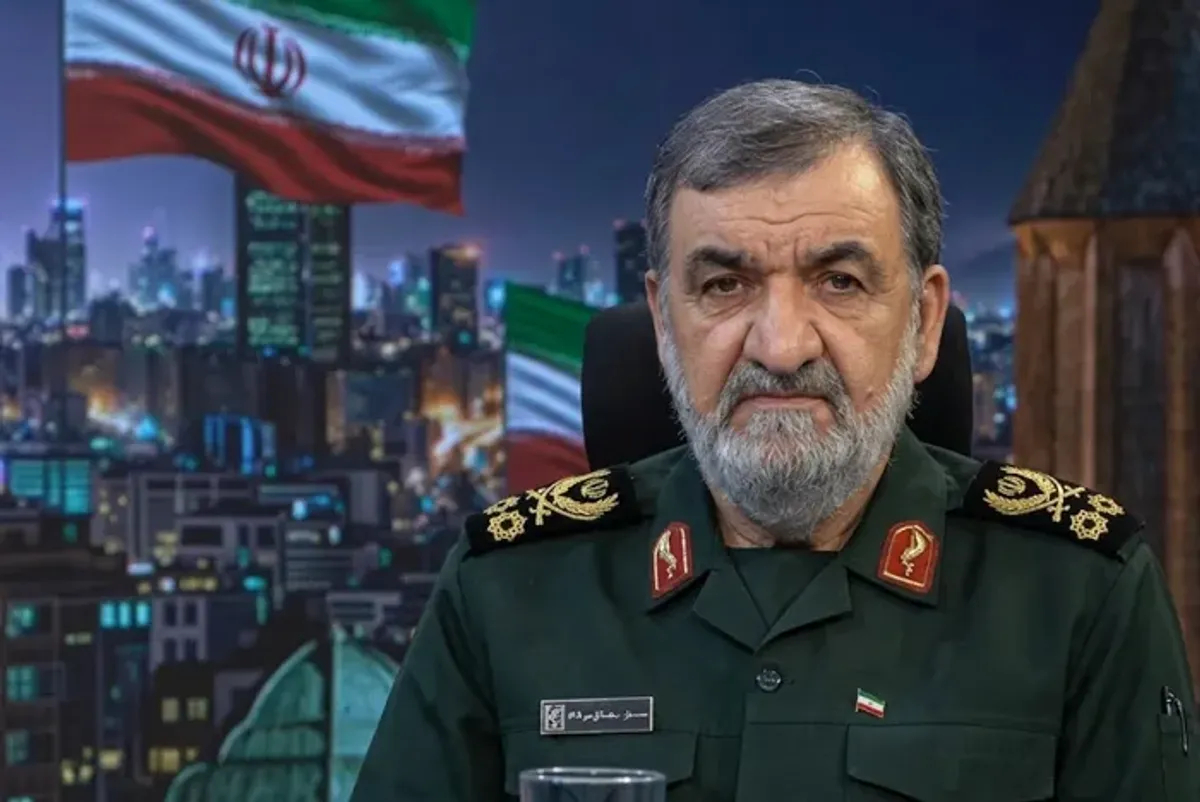
Iran’s top security official Mohsen Rezaei says Tehran could reconsider its nuclear doctrine if conflict resumes, and will not reopen Hormuz Strait before US meets its conditions.
Key Takeaways
AIIran’s Supreme National Security Council Secretary Mohsen Rezaei said he has not yet responded to a letter from US Senator JD Vance, stressing that Tehran will neither reopen the Strait of Hormuz nor enter talks with Washington until its seven conditions are met. He also revealed ongoing discussions about potentially changing Iran’s nuclear doctrine if war breaks out again.
In televised remarks carried by Iran’s Tasnim news agency, Rezaei said he had read Vance’s letter but had not replied. “The tone has changed completely, which is a very good sign that the Iranian people have secured their victory,” he said.
Rezaei declined to disclose the contents of the letter or Iran’s possible response, saying: “Let’s move forward for now. Since they have not revealed anything about the letter, I will not say anything at this time either.”
Iran signals possible review of nuclear doctrine
On the future of Iran’s nuclear program, Rezaei said Tehran is considering a possible shift in its nuclear doctrine if war resumes, but no official or governmental decision has been made yet.
“This is currently under discussion: if war breaks out again, do we want to maintain the previous doctrine or not? But no new official or governmental decision has been made,” he said.
He linked these discussions to domestic debates about the nuclear program’s future, noting that Iranians are questioning the value of continuing on the current path after Iran’s nuclear facilities were attacked despite inspections by the International Atomic Energy Agency (IAEA).
Rezaei explained that Iran has cooperated with the IAEA and allowed inspections. “However, the Iranian people have demands and seek logic. They see that in the end, the enemy attacked all our nuclear facilities. Why? We comply with all IAEA inspections and have given positive responses. We helped them come and inspect. There were no cameras at all our sites. But when people see this, their natural demand is: why continue on this path?” he said.
Strait of Hormuz: Seven conditions before talks resume
On diplomatic moves, Rezaei said contacts began over a month ago and the US insists on negotiations, but Tehran refuses to enter talks before its conditions are met and there is a change in US behavior.
He stressed that reopening the Strait of Hormuz and resuming negotiations depend on the implementation of Iran’s seven conditions, which include resolving points of contention left unclear in the Islamabad understanding, particularly regarding management of the strait and receipt of financial assets.
Rezaei said ambiguities in the Islamabad agreement led to differing interpretations, and the seven conditions were set to clarify Iran’s demands.
“We have announced that we must see a change in US behavior, and implementing the seven conditions could be an indicator of such change,” he added.
The security chief stressed that Iran is awaiting a US response, and the Strait of Hormuz will only reopen if the seven conditions are fulfilled.
Rezaei warns of strong response, cautions against renewed conflict
In a tougher message to Washington, Rezaei said Iran is determined to end the conflict in a way that prevents future attacks, and is ready to respond to any US military action.
“We are determined to end the war in a way that no one dares attack Iran again. We stand firm to secure the rights of the Iranian people. Some ask if we have the means to take such a strong stance. I say: yes, we have what it takes to break America’s horn if it acts; if the enemy makes any mistake, it will face terrifying blows and a proud defense,” he said.
On the nuclear issue, Rezaei noted that Iran is a signatory to the Nuclear Non-Proliferation Treaty and has 22 rights under the agreement, stressing that any future nuclear talks must address Iran’s rights and the importance of timing.
Tehran’s four-party meeting and regional security arrangements
On regional developments, Rezaei said participants in Tehran’s four-party meeting voiced opposition to Israel and agreed to continue meetings in the coming period.
He said the meeting could mark the start of new arrangements in West Asia, with regional countries taking responsibility for their own security—an indication of Tehran’s push for greater regional coordination.
Rezaei’s comments come amid ongoing tensions between Washington and Tehran, with diplomatic exchanges aimed at resuming negotiations, and disputes over the nuclear program, sanctions, frozen Iranian assets, and maritime security in the Strait of Hormuz.