
UK prime minister tells Trump: committed to Middle East peace, reopening Hormuz
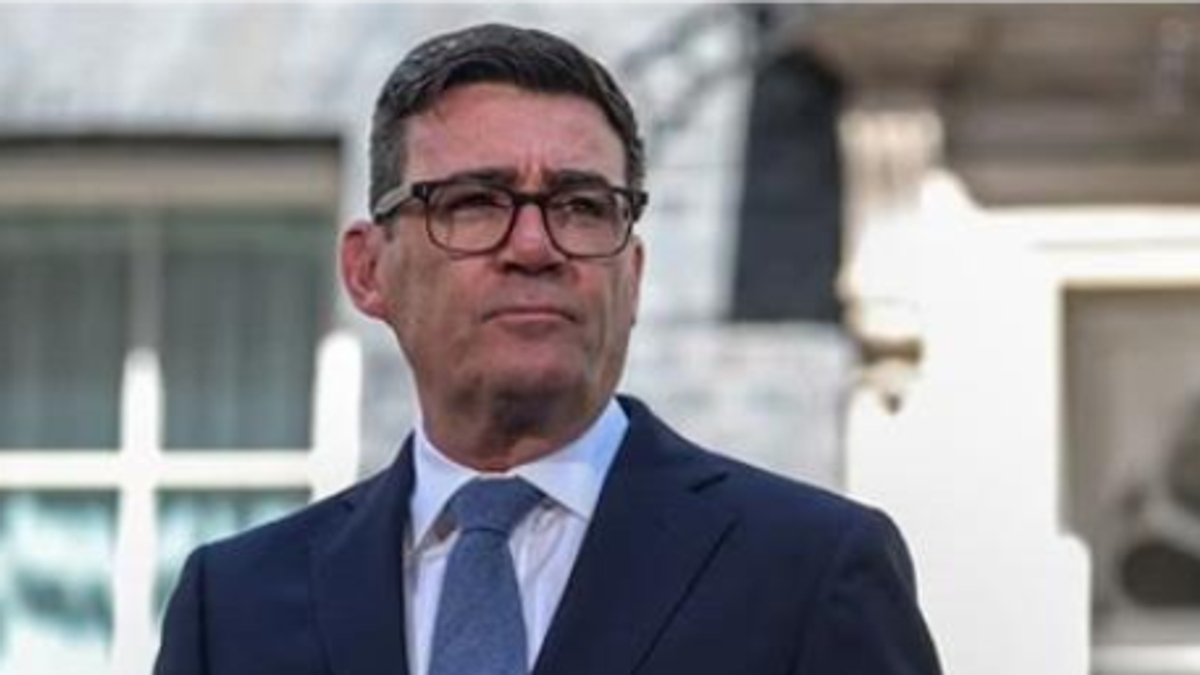
British Prime Minister Andy Burnham assured US President Donald Trump of the UK’s commitment to Middle East peace and reopening the Strait of Hormuz.
Key Takeaways
AIBritish Prime Minister Andy Burnham assured US President Donald Trump of the United Kingdom’s commitment to achieving peace in the Middle East and reopening the Strait of Hormuz.
The pledge came during a phone call between Burnham and Trump, in which they discussed several issues, including the Russia-Ukraine war.
These developments follow a new escalation by Tehran, which has imposed a restricted zone in the Strait of Hormuz and continues to threaten oil tankers passing through the waterway.
On Monday, Iran warned it would respond to any new US attacks on its assets, cautioning that energy infrastructure across the Gulf—including American oil and gas interests—was at risk.
Iranian Islamic Consultative Assembly Speaker Mohammad Bagher Ghalibaf said, “Strike our assets and you will be struck in return,” after US and Iranian attacks on ships over the weekend pushed oil prices on Monday to their highest in six weeks.
The latest threat underscores the risks of further escalation after both sides exchanged strikes again over the weekend, with no sign of diplomatic progress to end more than six months of conflict and restore normal energy flows through the Gulf.
Iran’s Supreme National Security Council Secretary Mohsen Rezaei said on Sunday that Iran would soon announce plans for a new restricted zone in the Gulf and would soon adopt maps for a new shipping lane through the Strait of Hormuz.
Since the outbreak of hostilities following US and Israeli strikes on February 28, Iran has restricted navigation through the Strait of Hormuz, a vital route for global oil and gas supplies.
Senior Iranian security official Mohsen Rezaei said Sunday that Tehran would soon declare a new restricted area in the Gulf and unveil a new shipping corridor through the strait.
Rezaei explained that the zone would begin where the US naval blockade on Iran starts and extend to parts of the Gulf. He added that any vessel entering the new area would be added to Iran’s sanctions list.
He added, “We will not commit to reopening the Strait of Hormuz until (the Americans) stop their sabotage, threats, and attacks on Iran.”
Underscoring the challenge, Ghalibaf issued a new threat to respond to any US strikes, apparently in response to US Defense Secretary Pete Hegseth’s claim that Iran’s oil tanker fleet is “defenseless.”
Ghalibaf, Speaker of the Islamic Consultative Assembly, wrote on X, “It’s simple: the oil and gas production chain here is vast, accessible, and exposed. US oil and gas companies and facilities in these waters face the same risk.”
US President Donald Trump has yet to achieve the goals he set when launching Operation ‘Epic Fury’ in February: eliminating Iran’s nuclear program, halting its ability to attack neighbors, and creating conditions for Iranians to overthrow their leadership.
Iran’s clerical rulers remain in power and are seeking to emerge from the conflict stronger than before. They continue to demand the lifting of sanctions and ultimately hope to collect fees from ships using the strait, through which 20 percent of global oil and liquefied natural gas shipments passed before the war.
After relative calm for most of August, fighting has intensified again following the collapse of a temporary ceasefire reached in June. Diplomatic efforts have made little progress.