

Egypt and Sudan warn Ethiopian dam poses ongoing threat to downstream nations
Egypt and Sudan reiterated their rejection of unilateral actions on the Nile, warning the Ethiopian dam remains a persistent threat to their water rights.
Key Takeaways
AIEgypt and Sudan have warned that the Ethiopian dam poses a continuous threat to the two downstream countries, reiterating their rejection of unilateral measures in the Eastern Nile Basin. Both nations affirmed their commitment to their full water rights and usage under the 1959 agreement, stressing they will not allow any reduction of these rights.
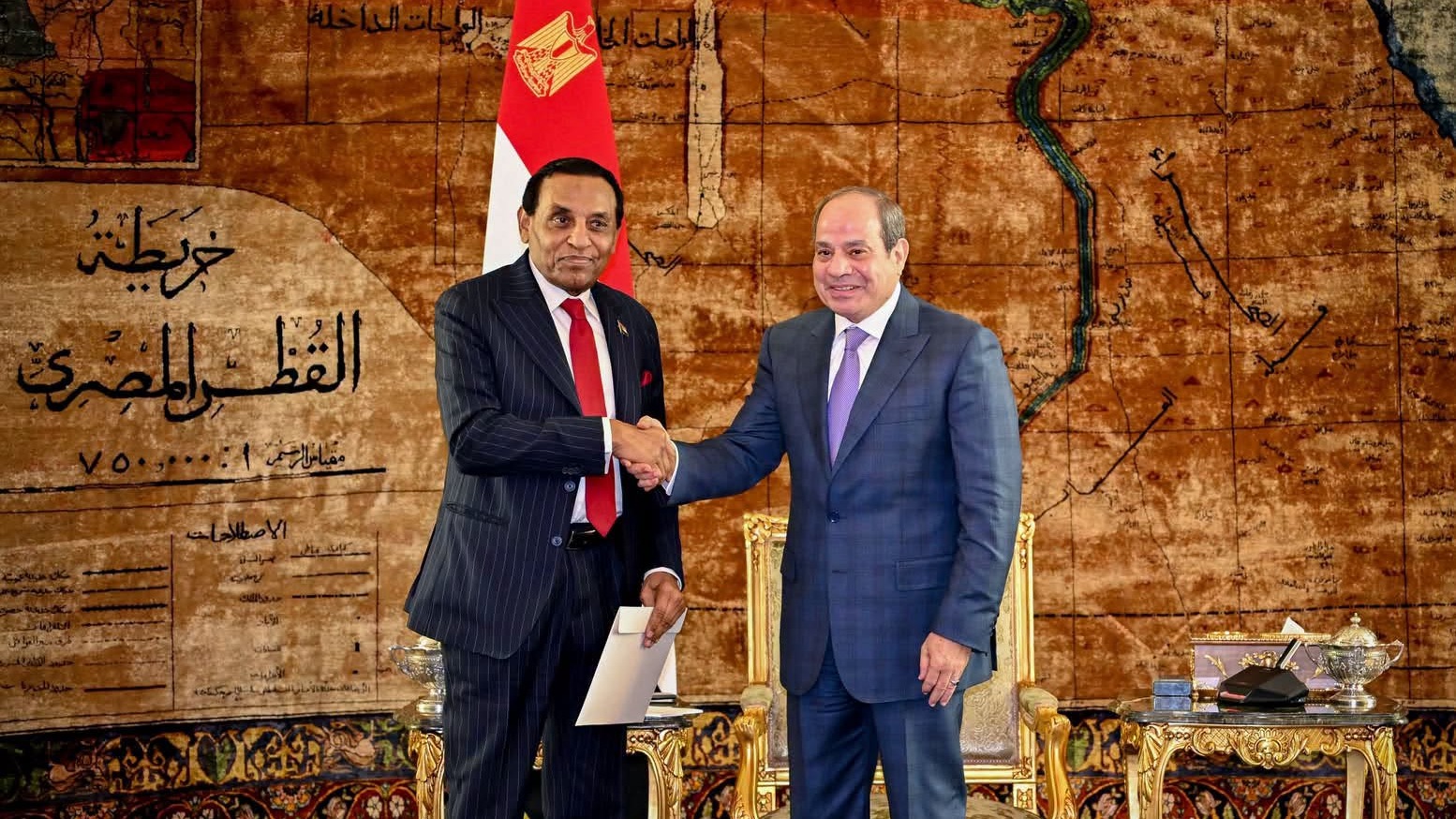
The joint position was outlined in a statement issued Tuesday at the conclusion of Sudanese Transitional Prime Minister Kamil El-Tayeb Idris’s visit to Cairo. The two sides agreed to strengthen coordination on water issues and to unify their stance regarding developments related to the Ethiopian dam.
The statement described the Ethiopian dam as a unilateral project that violates international law, warning that related actions have serious consequences and represent an ongoing threat to Egypt and Sudan as downstream Nile countries.
Both parties called on Ethiopia to abandon its unilateral approach and return to a path of cooperation in line with international legal principles, particularly the principles of no harm, prior notification, consultation, and consensus.
The statement emphasized that Egyptian and Sudanese water security is interconnected and indivisible, underscoring the need to protect both countries’ water rights and usage as stipulated in the 1959 agreement, and rejecting any unilateral actions that could undermine these rights.
As part of their joint coordination on Nile water issues, the two countries agreed to follow up on the implementation of outcomes from the meetings of the Permanent Joint Technical Commission for Nile Waters, as well as the “2+2” mechanism meetings involving the foreign and irrigation ministers of both countries, with the aim of developing a unified position on Nile water issues.
The two sides also stressed the importance of the Nile Basin Initiative and the need to complete the consultative process to restore consensus among basin countries, paving the way for the establishment of a comprehensive commission including all member states.