
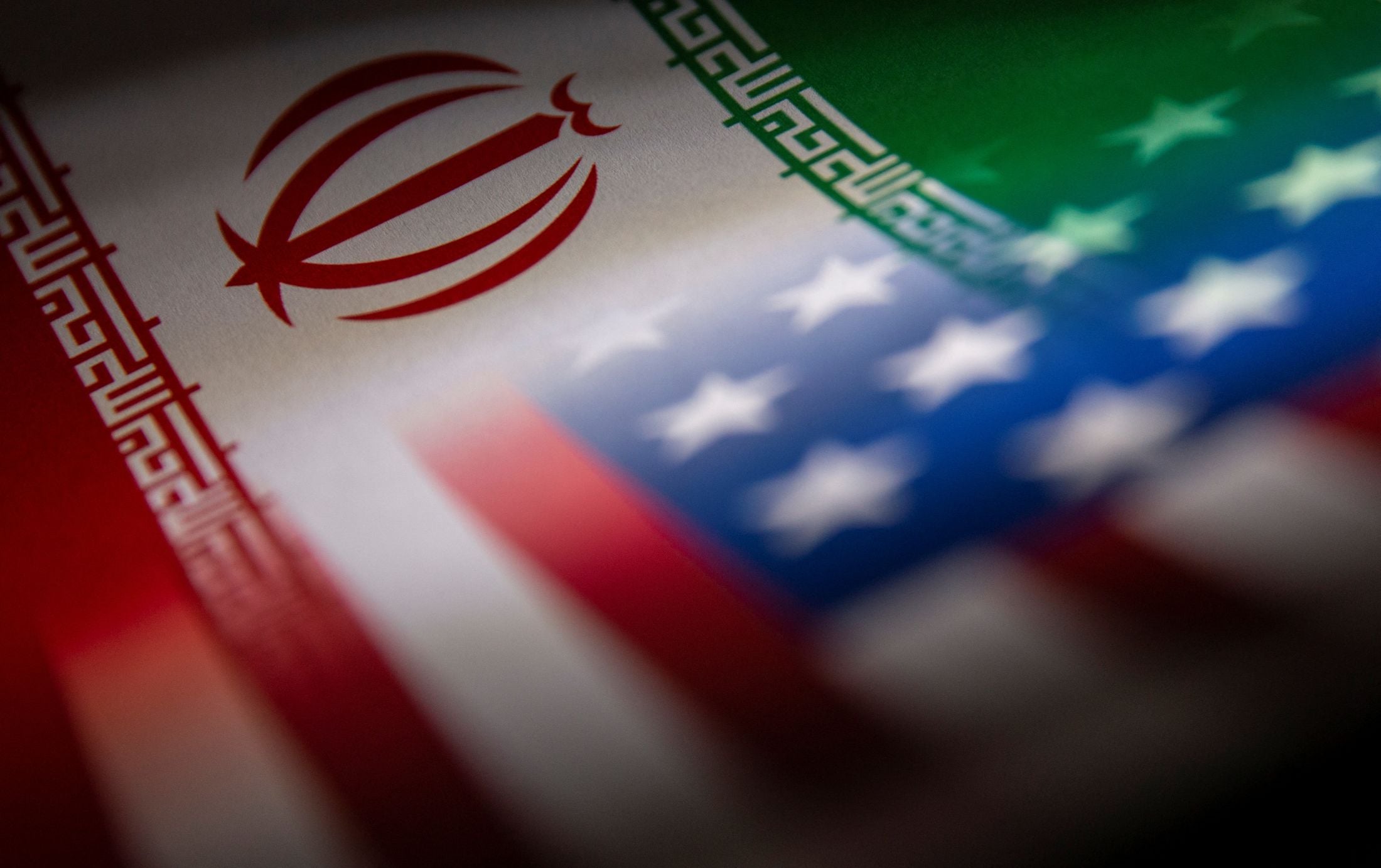
Iranian leadership divided over escalation or dialogue as US sanctions mount
Rifts deepen in Tehran as senior officials clash over whether to confront or negotiate with the US amid new sanctions.
Key Takeaways
AITehran has seen a surge in conflicting statements reflecting divisions within Iran’s leadership, on the eve of a new round of US sanctions. Secretary of the Supreme National Security Council Mohsen Rezaei threatened countries participating in the sanctions, warning US President Donald Trump and neighboring states against joining Washington’s economic war.
In an interview with Iran’s Tasnim TV channel, Rezaei said Iran would respond with overwhelming force if Trump took any action, stressing that Iran does not seek to expand the conflict but would consider any neighboring country that joins the sanctions as an enemy. He added that Iran would not allow a single drop of oil to leave the Gulf or the Strait of Hormuz if those states sided with Washington.
In contrast, Iranian President Masoud Pezeshkian opened the door to a political path, emphasizing the importance of returning to the memorandum of understanding with the United States to end the “no war, no peace” situation that has persisted for six months.
Pezeshkian said the agreement is the best possible option for Iran, protecting both dignity and national interests, and denied that any of its provisions amounted to surrender.
He noted that the Supreme Leader determines policy and that the government would follow this course, adding that the struggling economy is deterring investment and that capital is sensitive to risk, making it necessary to address these challenges.
The conflicting statements highlight divisions within Iran’s leadership over how to respond to US pressure.
Meanwhile, Iranian Foreign Ministry spokesperson Esmail Baghaei announced that Pakistan’s army chief Asim Munir will visit Tehran on Monday to continue efforts to promote peace and security in the region, amid US threats of tougher sanctions.