

Iran to declare restricted maritime zone outside Strait of Hormuz
Iran plans to impose a restricted maritime area outside the Strait of Hormuz, escalating tensions amid a continued US naval blockade in the Gulf.
Key Takeaways
AIIran announced on Sunday its intention to declare a "restricted" maritime zone outside the Strait of Hormuz in the coming days, marking a new escalation as the US naval blockade on Iranian ports continues.
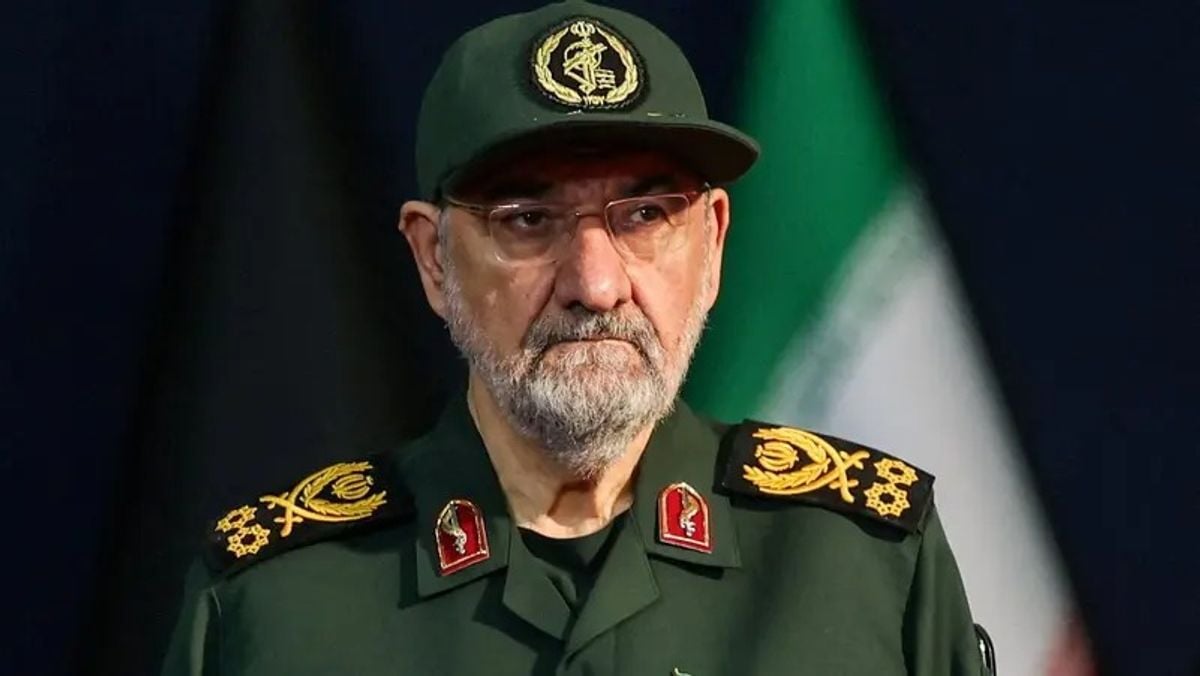
The Secretary of Iran's Supreme National Security Council, Mohsen Rezaei, said the restricted area would extend from the US blockade line to parts of the Gulf, warning that "any vessel entering the new zone will be added to the sanctions list."
Rezaei stated that the Strait of Hormuz is currently "completely closed," rejecting US President Donald Trump's claims that the strait remains open and calling them a "big lie." He added that Iranian forces are monitoring US ships attempting unauthorized passage and will target them if necessary.
Impact on navigation and military escalation
According to the Iranian official, more than 100 ships used to pass through the Strait of Hormuz daily before its closure, but currently only 7 to 8 vessels carrying essential goods to Iran are allowed through.
Amid the military escalation, Rezaei said Iran tested an anti-destroyer missile over a US warship 48 hours ago. The United States, for its part, denied that Iran targeted an unmanned US military vessel in the Strait of Hormuz.
Economic situation and negotiations
On the economic front, Rezaei dismissed the possibility of famine in Iran due to the blockade, stressing that the government has sufficient reserves of food and essential goods. He also said Tehran continues to export oil and receive its revenues despite sanctions.
Regarding negotiations, the Iranian official called on Washington to "earn Iran's trust" to continue the negotiation process, noting that the main issue concerns guarantees from mediators, without providing further details.
Continued US blockade and recent developments
The US Central Command (CENTCOM) announced the ongoing enforcement of the maritime blockade on Iran, noting that 92 commercial vessels have been rerouted, three ships disabled, and two inspected as of September 6 to ensure compliance with the blockade.
These developments come after the resumption of hostilities between the United States and Iran last week, following a month of relative calm and renewed tensions in the Strait of Hormuz.
The United States and Iran had previously reached two ceasefire agreements in April and June aimed at restoring freedom of navigation, but both collapsed quickly. Washington then reimposed a blockade on Iranian ports and restricted ship movements on July 13 in an effort to curb Iran's oil revenues.