
US expands crackdown on Iran with new aviation and banking restrictions
The US is intensifying economic pressure on Iran, targeting its aviation and banking sectors in several countries amid a broader diplomatic push.
Key Takeaways
AIThe United States is intensifying its economic pressure on Iran with new measures targeting the country’s aviation and banking sectors in several nations, alongside a diplomatic campaign warning Tehran’s trade partners of the consequences of continued business ties. The campaign aims to further restrict Iran’s access to the global financial system.
According to sources cited by The Wall Street Journal, senior US Treasury official Jonathan Berk led a tour this month across multiple countries to explain that entities engaging with Iran could face American repercussions.
These efforts have coincided with actions against Iran’s main economic arteries, including barring Iranian airlines from key regional routes and preventing Iran’s largest commercial bank from conducting transactions in the UAE and Turkey, in addition to ongoing US sanctions and a maritime blockade on Tehran.
Oman initially banned flights by Mahan Air, later extending the decision to all Iranian airlines after new US restrictions on Iran’s aviation sector took effect. In the UAE, branches of Bank Melli Iran, the country’s largest commercial bank, were prohibited from handling Iran-related transactions, and the UAE also banned all Iranian airline flights.
In Turkey, Mahan Air flights were canceled and the license of Bank Mellat, one of Iran’s largest private banks used for facilitating trade between the two countries, was revoked. Azerbaijan and Georgia took similar steps by closing their airspace to Iranian airlines.
Britain announced it would not extend exemptions for certain Iranian banks operating in London, a move that could effectively close Bank Melli’s London branch when its license expires next month.
Legal and banking experts say the current level of pressure on Iran’s aviation and banking sectors is the strongest in years, with the impact of these measures being felt more quickly than in previous sanctions campaigns. Jonathan Berk noted that US partners are now taking sanctions and pressure on Tehran more seriously.
In response, Iran has reportedly offered to halt attacks on ships in the Strait of Hormuz or on US interests for seven days, a move some reports suggest is intended to provide Tehran with economic relief and the possibility of easing some sanctions.
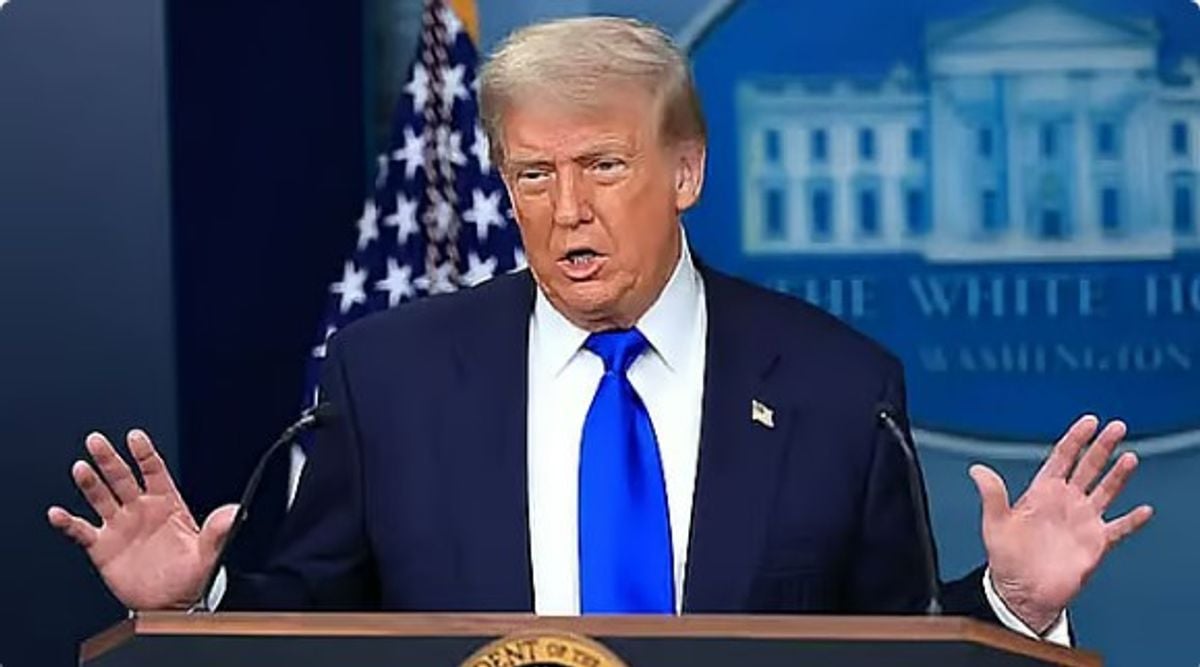
Nevertheless, the administration of US President Donald Trump remains committed to its maximum pressure policy, insisting that now is the time to force Iran to change its behavior. Former US officials believe the effectiveness of sanctions depends on the targeted parties’ belief in their seriousness and persistence, and that the success of the current economic squeeze hinges on maintaining high pressure and preventing Iran from finding new ways to access the global financial system.