

EU urges Israel to halt E1 settlement plan, warns of two-state solution risk
The European Union has called on Israel to stop the E1 settlement project in the West Bank, warning it undermines prospects for a two-state solution.
Key Takeaways
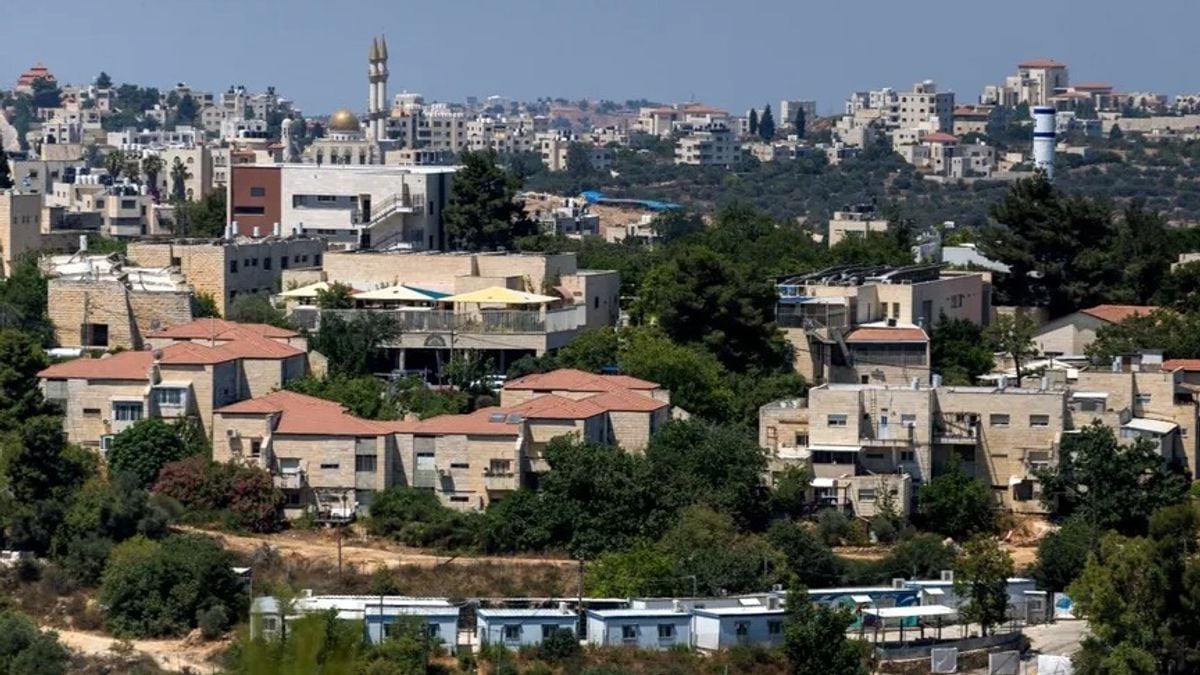
AIThe European Union has called on the Israeli government to halt plans for the E1 settlement project in the West Bank, warning that the initiative undermines prospects for a two-state solution by dividing the West Bank and isolating East Jerusalem, amid rising settler violence against Palestinians.
EU foreign policy chief Kaja Kallas stated that the bloc's position on Israeli settlements is clear, stressing that they are illegal under international law.
She added that the Israeli government's issuance of tenders to build more than 1,200 housing units as part of the E1 project fundamentally damages the chances for a two-state solution.
On Thursday, the UK and other European countries also called on the Israeli government to immediately withdraw the E1 plan and halt settlement expansion in the occupied West Bank.
Kallas noted that these developments come amid growing instability and record levels of settler violence in the West Bank, with Israeli prosecutors charging some individuals involved in such attacks.
She urged the Israeli government to withdraw the tender, stop all settlement expansion projects, and ensure accountability for those responsible for violence.
Kallas reaffirmed the EU's commitment to achieving a comprehensive and lasting peace based on a two-state solution in line with UN Security Council resolutions, allowing Israel and Palestine to live side by side within secure and recognized borders.
Details of the E1 settlement project
The E1 settlement project was approved by the Israeli government in 1999 on Palestinian land covering about 12,000 dunams (12 million square meters).
The project aims to expand Jerusalem's boundaries to include three settlement blocs: Ma'ale Adumim to the east, Givat Ze'ev to the north, and Gush Etzion to the south, creating geographic continuity between settlements and isolating Palestinian communities.
The project also includes the "Fabric of Life" road, part of which has been completed near the separation barrier, running from Anata village northeast of Jerusalem to Al-Za'im village east of the city, with plans for another section reaching Al-Eizariya town, supporting the implementation and development of the E1 construction plan.