

Leaked audio reveals Iranian Basij, IRGC on alert over protest fears
A secret recording from Pakdasht exposes deep concern among Iran's Basij and Revolutionary Guard over potential unrest and declining public support.
Key Takeaways
AIA leaked audio recording of a secret meeting of the "Media and Cyberspace Headquarters" in Pakdasht, obtained by Iran International, has revealed growing fears among Basij and Islamic Revolutionary Guard Corps (IRGC) officials over the prospect of new popular protests in Iran and declining public support for these forces.
The meeting followed significant developments, most notably the killing of Hamid Reza Rajabzadeh, a religious eulogist and regime supporter in the Basij, as well as the rising influence of social media networks.
The recording highlighted a clear sense of helplessness among local commanders in confronting the challenges posed by cyberspace.
The "Media and Cyberspace Headquarters" includes cyber operatives and regime loyalists under IRGC supervision.
The meeting’s content echoed recent statements by Ebrahim Karamabadri, IRGC commander in Pakdasht, who warned that regime opponents are exploiting sanctions, cyber breaches, and the digital sphere to undermine the state’s foundations.
Participants discussed the psychological and social pressures facing regime loyalists, with the meeting’s chair stating that Rajabzadeh’s killing was a wake-up call, signaling that "revolutionary" elements are being targeted both in real life and online.
He noted that these pressures aim to push Basij members and clerics toward adopting opposition views under the weight of social ostracism.
At the start of the meeting, Mr. Shahbazi stressed that crises are ongoing and that confrontation between society and security forces is intensifying. Basij leaders voiced concern over security system breaches and the leaking of field operatives’ identities.
The main speaker expressed fears about artificial intelligence applications, warning that opposition groups could use AI to extract Basij members’ faces from group photos and identify them for retaliatory actions.
He also voiced distrust of mobile phones, claiming that apps like ChatGPT could eavesdrop on confidential conversations.
Strict security orders and cyber surveillance
The recording revealed that strict security instructions were issued to cyber Basij members, requiring them to monitor platforms such as Instagram and document any protest activity in Pakdasht.
The meeting’s chair emphasized the need to monitor even relatives of Basij members and to collect detailed information about them in preparation for possible action.
Cyberspace under scrutiny
The speaker blamed the failure of internet censorship policies for political and economic setbacks, describing cyberspace as a main driver of protests, price hikes, and even the election of President Masoud Pezeshkian.
He noted that foreign intelligence agencies are exploiting the economic situation through free internet access and censorship circumvention tools to recruit youth and extract information from them.
Security alert and protest fears over fuel prices
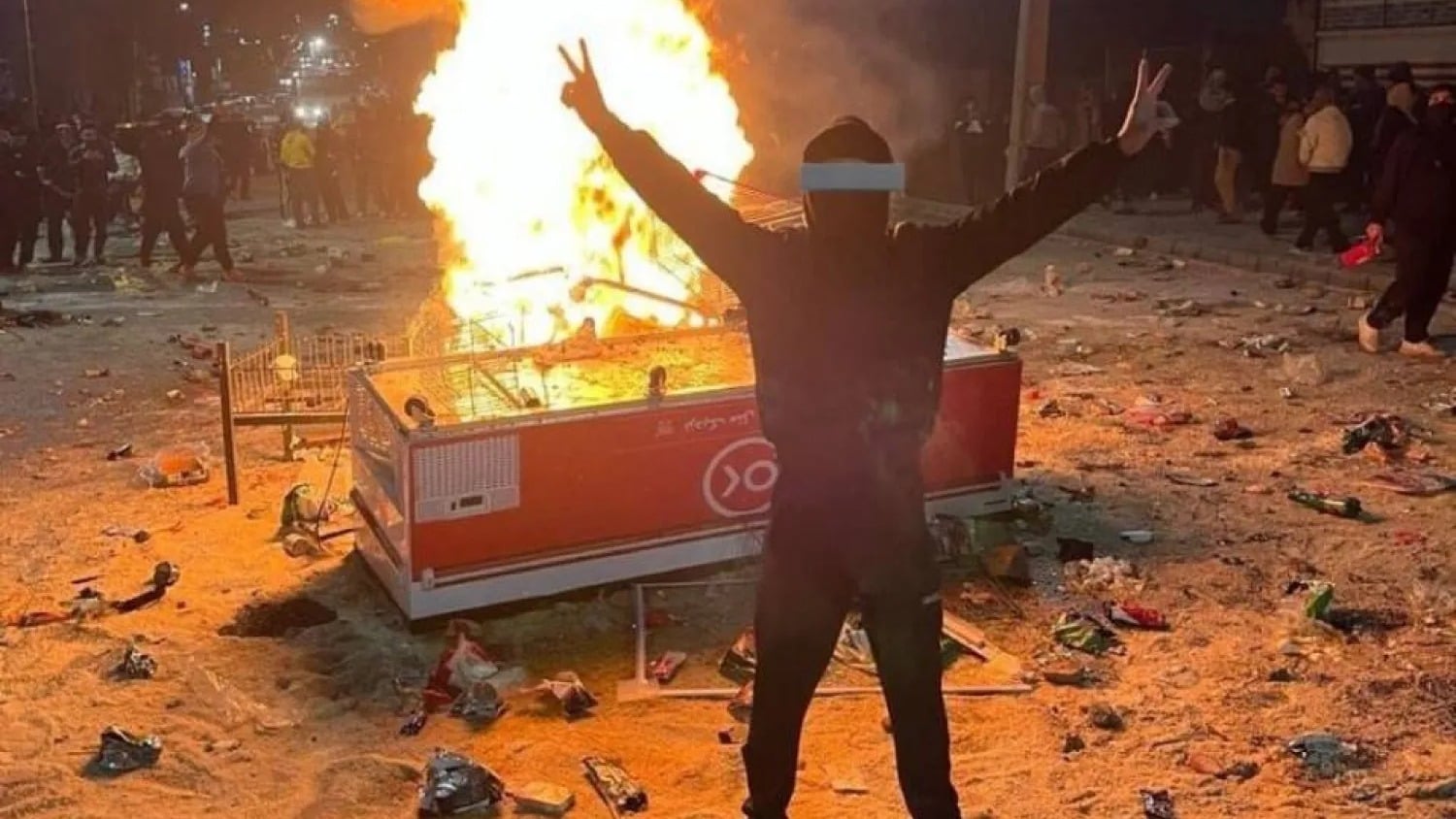
The IRGC’s cyber security official concluded the meeting by warning of the likelihood of widespread and violent protests soon, particularly in response to fuel price hikes.
He predicted that even people without cars would join the upcoming unrest, driven by accumulated anger and targeting state symbols and Basij members.
The meeting’s discussions underscored a state of high alert and deep anxiety over the risk that economic discontent could spark mass protests.