

GCC secretary-general highlights Gulf states' rise as global investment hub
GCC Secretary-General Jasem Albudaiwi says Gulf states have strengthened their economies to become a leading destination for global investment and long-term partnerships.
Key Takeaways
AIJasem Mohammed Albudaiwi, Secretary-General of the Gulf Cooperation Council, said that GCC countries have successfully built a strong economic, financial, and investment base, enhancing their ability to adapt to global changes and solidifying their position as a global destination for investment and a key source of capital and long-term international partnerships.
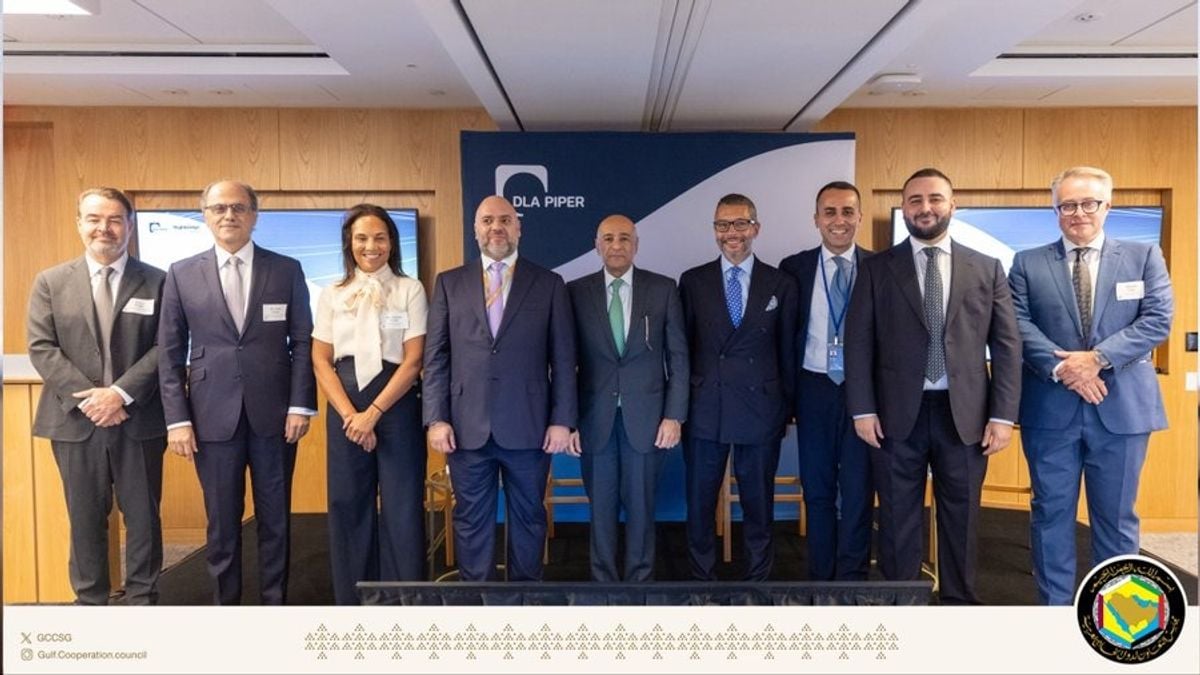
He made these remarks during a panel discussion titled "GCC Economies: Resilience, Investment, and Strategic Partnerships," organized by DLA Piper and Highbridge Advisory in New York City on the sidelines of the 81st session of the United Nations General Assembly.
Albudaiwi explained that the global economy is undergoing rapid transformation due to geopolitical developments, the reshaping of trade and investment flows, supply chains, technological shifts, and increasing global competition for capital, technology, and talent. He stressed that the concept of economic resilience in the GCC goes beyond crisis management to include building economies capable of sustained growth, transformation, and attracting investment while maintaining confidence and openness to the world.
Gulf economic figures and indicators
The Secretary-General noted that the combined economies of the GCC amount to around $2.4 trillion, with Gulf sovereign wealth funds holding assets exceeding $5 trillion, and commercial banks' assets reaching $3.9 trillion. The GCC's merchandise trade with the world stands at approximately $1.6 trillion.
Albudaiwi added that foreign direct investment stock in the GCC reached about $792.7 billion in 2025. He emphasized that the Gulf investment vision focuses on technology and knowledge transfer, boosting productive capacity, and creating jobs—not just attracting capital.
Economic integration and international partnerships
Albudaiwi stressed that Gulf economic integration is a key pillar for enhancing the competitiveness of GCC states. He pointed out that around $171.4 billion of foreign direct investment stock in 2025 originated from within the GCC itself, representing nearly 22% of the total and reflecting growing capital and business flows among Gulf countries.
He added that the customs union, the Gulf common market, and projects such as electricity and digital interconnection and the GCC railway are important tools for expanding the Gulf market, facilitating trade and capital flows, and improving supply chain efficiency. He underlined that Gulf integration is a collective competitive advantage in the global economy.
Albudaiwi also noted that Gulf international partnerships now go beyond traditional frameworks to include investment, technology, artificial intelligence, advanced industries, clean energy, infrastructure, logistics, and food security. He affirmed that diversifying markets and partnerships strengthens the GCC economies' ability to navigate global shifts.
View the post on X
Pivotal role in connecting markets and supply chains
The Secretary-General stated that the GCC's strategic location, along with its ports, airports, logistics networks, financial institutions, and significant investment capabilities, positions the region to play a pivotal role in linking markets, capital, supply chains, and investment opportunities, as well as contributing to development and reconstruction efforts in partnership with international expertise.
Albudaiwi concluded by reaffirming the GCC's openness to building new and long-term partnerships based on mutual investment, technology transfer, project development, and creating more integrated and resilient value chains. He said the Council looks forward to working with investors and international financial institutions to create new opportunities in future economy sectors and achieve long-term sustainable growth.