

WHO warns of rising respiratory illnesses in Gaza as winter looms
The World Health Organization has warned of a surge in respiratory diseases in Gaza, with conditions expected to worsen after heavy rains flooded shelters.
Key Takeaways
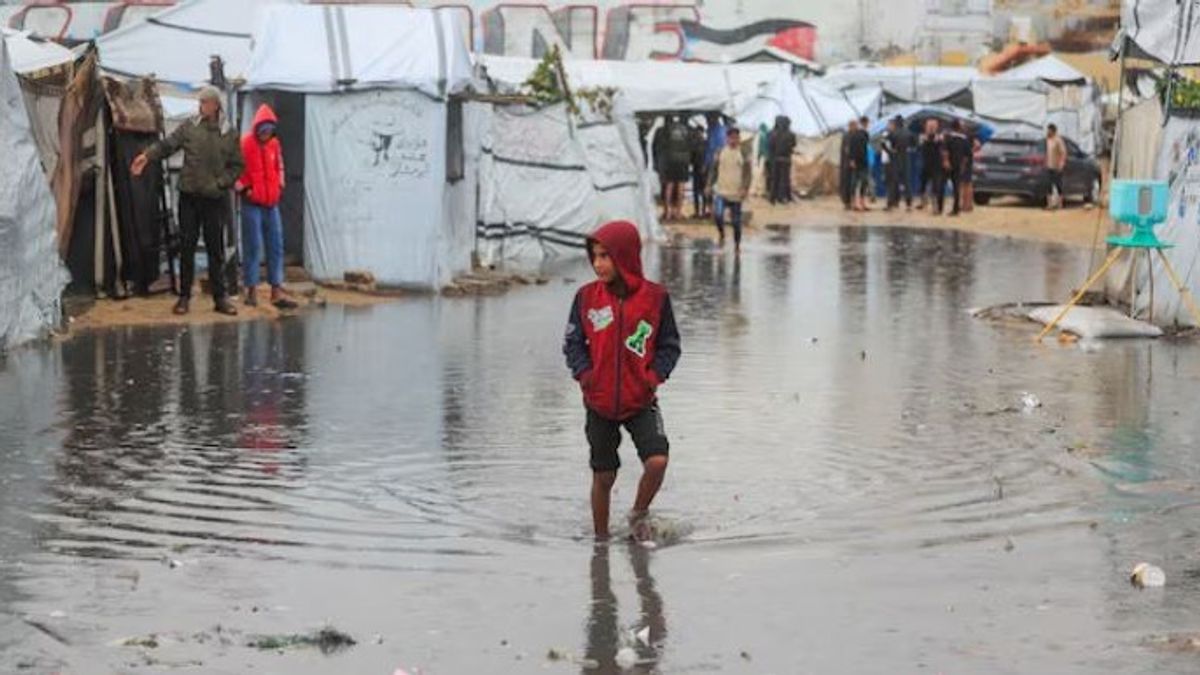
AIThe World Health Organization warned today of a rise in respiratory illnesses in the Gaza Strip, with the situation expected to deteriorate after heavy rains flooded tens of thousands of tents sheltering displaced people.
According to Reuters, Dr. Rainhilde van der Werdt, WHO representative in the occupied Palestinian territories, said: "The numbers already show the scale of the pressure... Acute respiratory infections are 33,000 cases higher than during the same period last year."
The organization noted that worsening living conditions and severe overcrowding are driving up infection rates as Gaza residents are squeezed into shrinking spaces. The crisis has intensified as the Israeli military expanded its controlled area by shifting the "yellow line" established under the US-brokered ceasefire agreement in October last year.
The Israeli military and the Coordinator of Government Activities in the Territories, the Israeli agency overseeing aid, have not yet responded to Reuters' request for comment.
Respiratory infections now account for 11 percent of all medical consultations, and the WHO expects cold weather, flooding, overcrowded shelters, and poor ventilation to further increase these numbers.
"It is shocking that just a few days of rain have shown us what the coming months will bring. Winter has not fully started yet. The worst is really yet to come," said van der Werdt.
According to the WHO, nearly one million displaced people in Gaza are living in areas prone to flooding, with 400,000 in locations classified as extremely high risk.
The organization also said that flooding increases the risk of water contamination, and stagnant water provides more breeding grounds for mosquitoes and harmful insects. It added that humidity encourages the growth of mold and bacteria, which are major causes of respiratory infections, especially among young children.