

Eleven days that shook Nvidia: How Jensen Huang returned with Trump’s backing
Nvidia faced dramatic upheaval in November 2026 after CEO Jensen Huang resigned over personal misconduct allegations, only to return 11 days later with US presidential support.
Key Takeaways
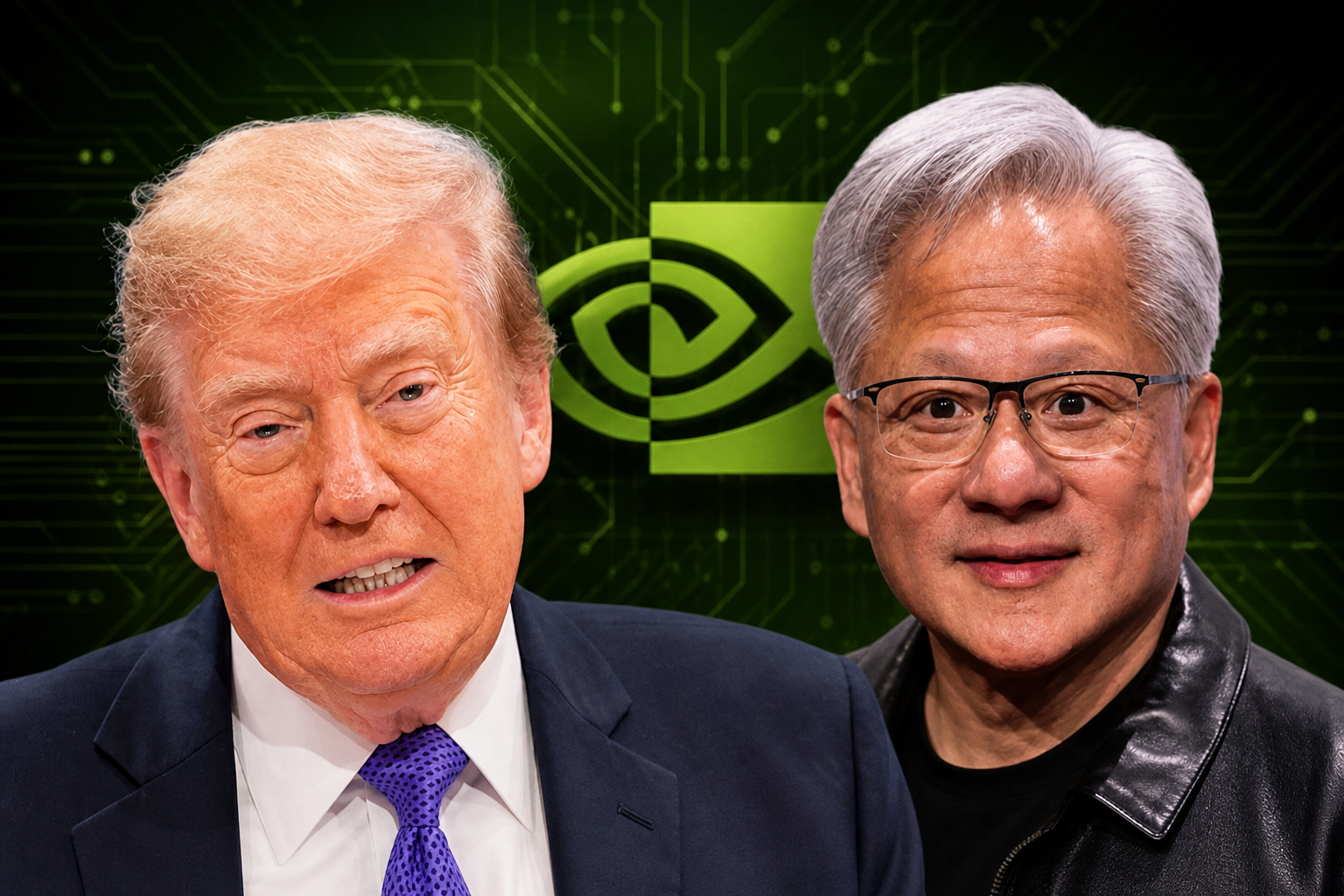
AIUS tech giant Nvidia experienced dramatic developments in November 2026 after its founder and CEO, Jensen Huang, abruptly resigned following reports of personal misconduct and suspicions about his relationship with a woman allegedly linked to Chinese intelligence. Just 11 days later, Huang was reinstated by the board of directors, with direct intervention from US President Donald Trump.
The crisis quickly escalated from Huang’s personal life to issues of national security and trade relations with China, raising questions about the future leadership of one of the leading players in the artificial intelligence chip industry.
The crisis begins: Personal ties put Huang under scrutiny
The situation began to unfold on November 11, 2026, when reports emerged of an extramarital affair between Huang and a company employee. Soon after, further allegations surfaced about another relationship with a woman suspected of ties to Chinese intelligence.
The matter quickly became a security concern, given Nvidia’s critical role in the AI race between the US and China and the sensitivity of its advanced chip technologies.
According to media reports, Huang admitted to company staff that he had made personal mistakes and violated certain codes of conduct, offering an apology for his actions.
November 12: Sudden resignation
On November 12, Nvidia announced that Jensen Huang had resigned as CEO, chairman, and board member with immediate effect.
The board appointed Chief Financial Officer Colette Kress as interim CEO and began searching for a permanent successor, a move that shocked the tech sector given Huang’s association with Nvidia since its founding.
Board rejects Huang’s return
On November 17, board chairman Harvey Jones stated that the board had unanimously accepted Huang’s resignation and did not intend to reinstate him as CEO.
Huang, meanwhile, accepted responsibility for his personal mistakes and pledged to cooperate with the independent investigation, but expressed willingness to return if the board believed it was in the company’s best interest.
The decision left the company’s leadership future uncertain, with employees, investors, and tech leaders calling for Huang’s reinstatement.
Trump steps into the crisis
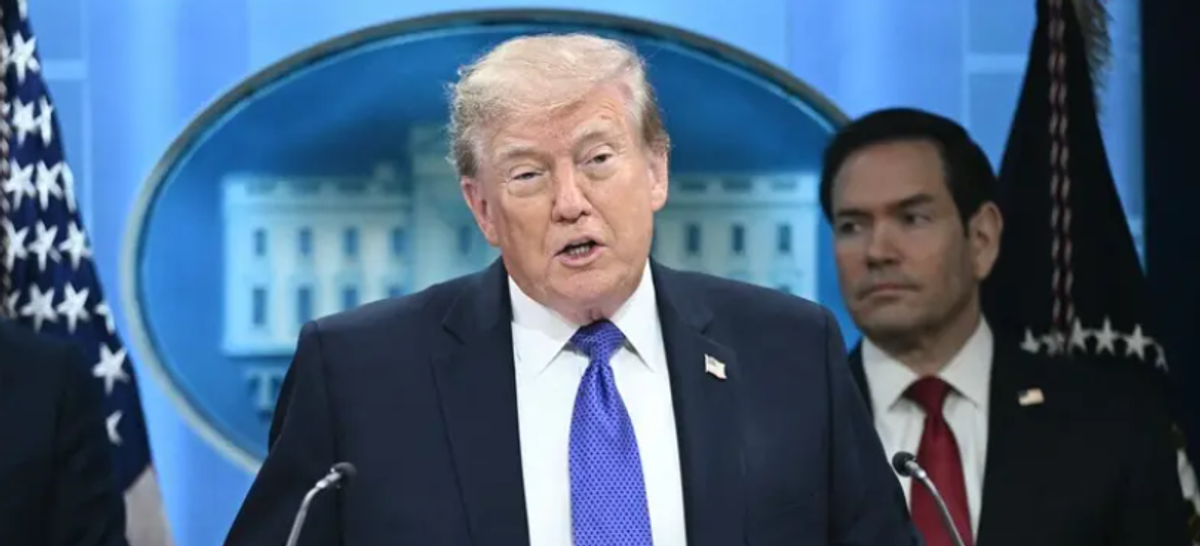
US President Donald Trump entered the fray, voicing support for Huang’s return and arguing that his continued leadership was vital for US economic and technological interests against China.
On November 22, Trump urged Nvidia’s board to reinstate Huang, later telling CNBC he had spoken directly and indirectly with board members and played a role in persuading them to reverse the resignation.
Nvidia reinstates Jensen Huang
In a dramatic turn, Nvidia announced on November 23 that Jensen Huang would return as CEO, chairman, and board member after a unanimous board vote.
The company said the decision followed discussions and meetings with Huang, and that the board was convinced of his candor and leadership abilities. Nvidia added that senior US government officials had provided input, and the board no longer saw his return as a national security risk.
Huang apologizes to staff, reveals therapy sessions
A day after his return, Huang held a nearly hour-long meeting with employees, apologizing for violating the code of conduct. The tense meeting shifted as he defended himself and the decision to reinstate him.
According to The New York Times, Huang said he was undergoing daily 90-minute therapy sessions, admitting that his breach of the code—which he helped draft—was “unacceptable.”
He explained that his actions had prompted the board to reassess his future at Nvidia, ultimately leading to his resignation and subsequent return.
Nvidia shares surge after Huang’s return
The crisis developments were reflected in Nvidia’s Nasdaq share price, which reportedly jumped by around 31.5% on November 23 as Huang resumed his role.
This surge came amid a broader rally in US markets, with investors optimistic about stable executive leadership and Nvidia’s ongoing AI chip strategy, despite lingering concerns over governance, investigations, and export controls to China.
Trump ready to pardon Huang
In a notable development, Trump announced he was prepared to grant Huang a pardon if necessary, though he believed it would not be required.
In an interview with the New York Post, Trump said a pardon “is always an option,” but he did not expect it to be needed, responding to questions about possible legal action against Huang.
The US president also urged Huang to tell the truth before Congress during upcoming hearings on his personal relationships, national security concerns, and Nvidia’s chip exports to China.
Investigations continue: Is the crisis over?
Despite Huang’s return, investigations into the case remain ongoing. Nvidia confirmed that the independent probe, overseen by a board committee with legal advisors, is continuing.
The company also announced the formation of a new committee on national security and export controls, amid reports of scrutiny from US agencies including the Department of Justice and the Securities and Exchange Commission.
Huang’s reinstatement was more than a management change—it underscored how closely Nvidia’s future is tied to its founder and the company’s significance in US economic and technological strategy, while the security and regulatory issues that triggered the crisis remain unresolved.