

Former US defense secretary warns Iran war could last six months
Leon Panetta cautions that conflict with Iran may drag on for six more months and risks becoming another endless Middle East war.
Key Takeaways
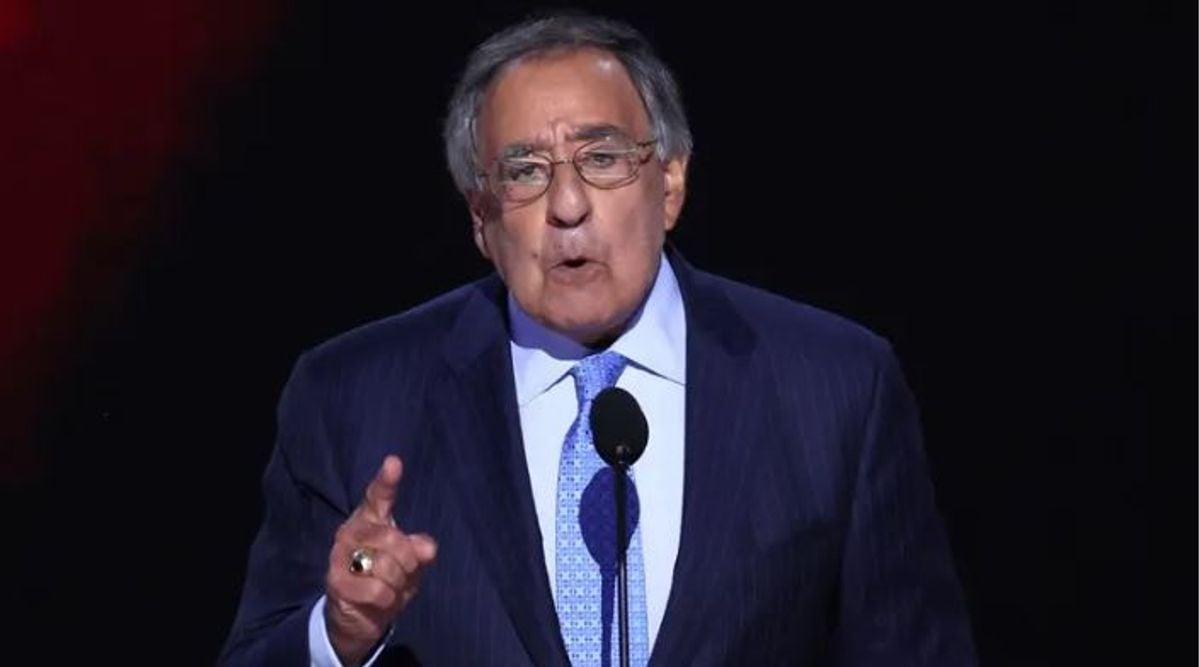
AIFormer US Secretary of Defense Leon Panetta has warned that the war with Iran is likely to continue for another six months, cautioning that it could turn into "another endless war in the Middle East" with no clear end in sight.
Panetta, who also served as CIA director under Barack Obama, told The Guardian in comments reported by Al Arabiya that "the United States and Iran are stuck in a dangerous stalemate, with very limited options to end this war."
He argued that the conflict is on track to become "another failed war" in the Middle East, similar to Iraq and Afghanistan. "I think the most likely scenario is that this war will continue for another six months without reaching a resolution," Panetta said.
The former defense secretary noted that "US armed forces are heading into war at a time when the Pentagon is experiencing significant turmoil in its command structure, creating the impression that no one is truly in charge."
He added, "Whether it is Iran or other adversaries, they now look at the United States and see weaknesses in its ability to deploy its military potential and defend the country."
Panetta pointed out that the greatest current threats come from China, Russia, North Korea, terrorism, and Iran. He said, "As these actors continue to coordinate and support each other within this emerging axis, they view the United States as particularly weak at this stage. This is a very troubling message given the threats we face."
The former US official said Donald Trump faces three options: first, to withdraw and admit the war has failed, a step Panetta doubts Trump would take; second, to continue the current stalemate with sporadic retaliatory attacks, as both sides try to avoid a larger war without negotiation or surrender.
The third and final option, he said, would be for the US to take control of the Strait of Hormuz, thereby eliminating what he described as "Iran's most dangerous pressure card"—the ability to close this vital passage or disrupt global trade through it.