Iraq oil smuggling scandal in Jurf al-Sakhar sparks political crisis
Investigations into oil smuggling in Jurf al-Sakhar, Babil, have triggered a major security and political standoff between the Iraqi government and armed factions.
Key Takeaways
AIThe crisis over oil smuggling in the Jurf al-Sakhar area of Iraq's Babil province has intensified after government and parliamentary investigations uncovered illegal siphoning of crude oil from a pipeline and its transport by tanker trucks to other destinations. The network is alleged to have links to Kataib Hezbollah, an Iraqi armed group, which denies any involvement.
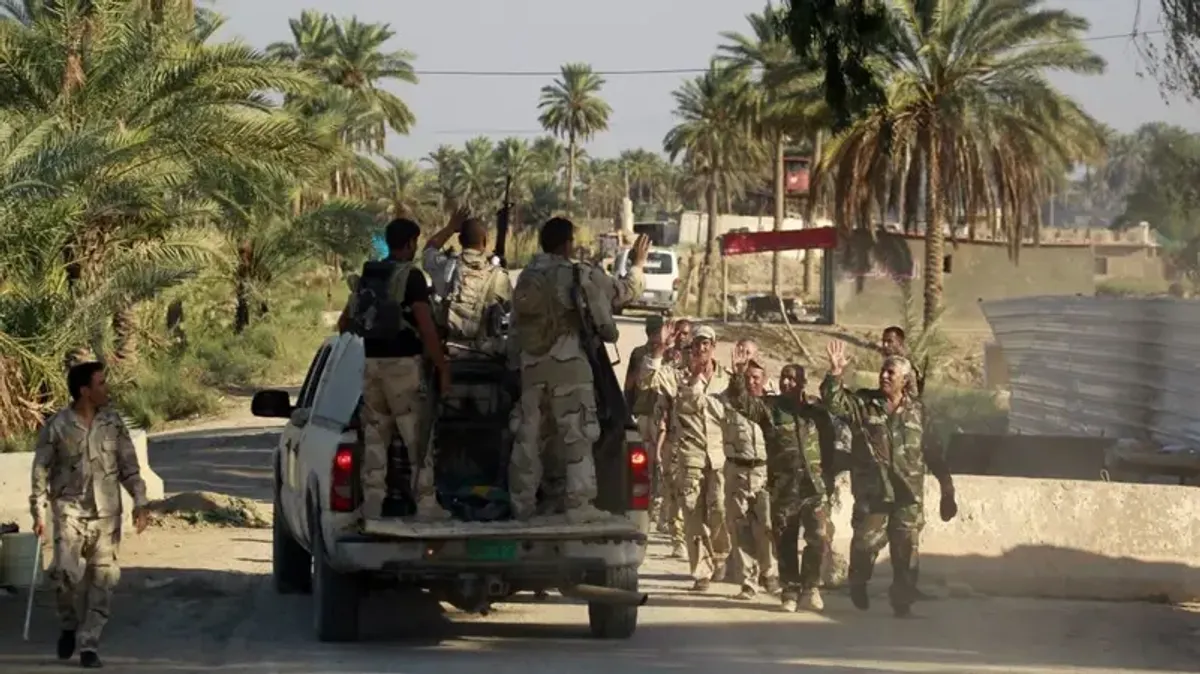
In recent days, the issue has escalated from accusations in a confidential intelligence report to a full-blown security and political crisis, threatening a direct confrontation between the Iraqi government and one of the most prominent Iran-aligned armed factions. Prime Minister Ali Faleh Al-Zaidi has ordered increased deployment of security and military forces around the area and preparations to enter it, giving the armed group a deadline to leave.
These developments follow the government's confirmation of smuggling operations and the presence of makeshift oil refineries in the area. Nine security and administrative officials have been dismissed, and those implicated have been referred to the judiciary. Meanwhile, parliament has moved to form an independent investigative committee and has revealed photographic evidence and documents related to the smuggling operations.
The story begins: Intelligence documents and smuggling suspicions since 2021
The case began to unfold after Iraqi intelligence reports surfaced, describing illegal siphoning of crude oil from a government pipeline in Jurf al-Sakhar, with the oil stored and transported by tankers before being smuggled through a network suspected of ties to influential local actors.
According to media reports citing an intelligence document attributed to the Iraqi Federal Intelligence and Investigations Agency, smuggling operations are believed to have continued since 2021, involving puncturing pipelines and installing equipment to extract oil and move it to storage sites and other facilities.
The information indicates that around 25 tanker trucks, each with a capacity of about 36,000 liters, were used—equivalent to a total transport capacity of roughly 900,000 liters per trip.
Hundreds of millions of dollars: Estimated losses
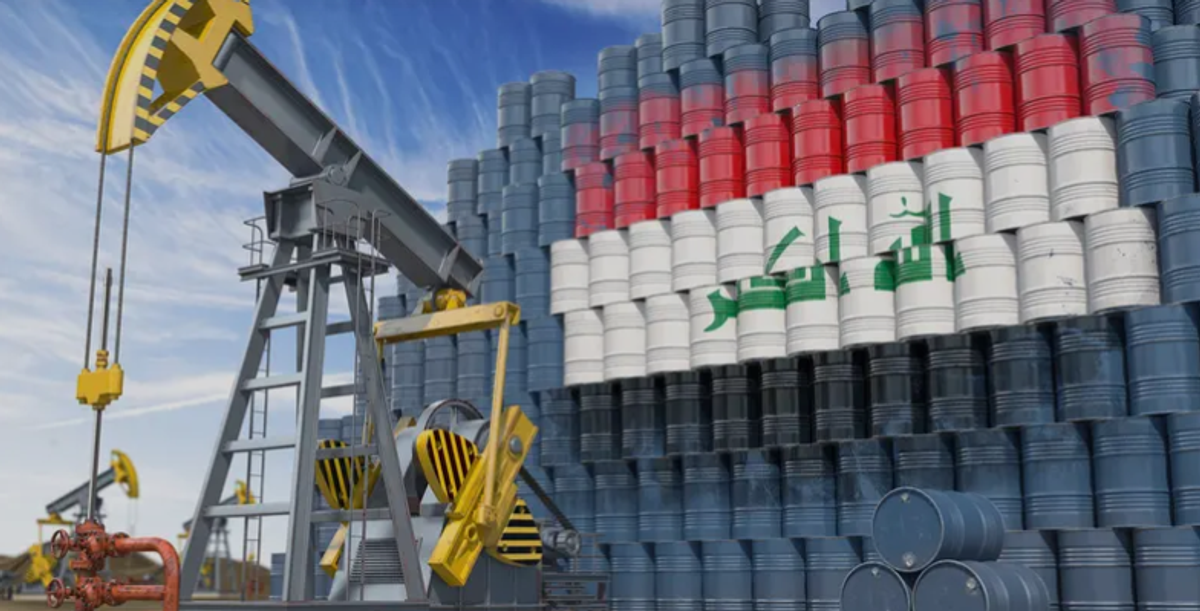
Reuters quoted Iraqi officials as estimating that the oil smuggling network may have generated hundreds of millions of dollars since 2021, allegedly with help from individuals linked to the security and oil sectors.
However, the exact quantities smuggled and the final value of losses remain under investigation. Iraqi authorities have not yet released a definitive tally of the stolen funds or the precise duration of the operations.
Government action: Investigative committee uncovers oil sites
In response, Prime Minister Ali Al-Zaidi ordered the formation of a high-level investigative committee to examine oil smuggling suspicions in Jurf al-Sakhar. The committee visited the area on November 13 under tight security measures.
Government spokesperson Haidar Al-Aboudi said the committee inspected six sites based on intelligence coordinates, detected tampering with oil pipelines and attempts to conceal evidence, and discovered two makeshift refineries, a tanker, and oil storage tanks.
Al-Aboudi added that the investigation's findings were submitted to the prime minister, who ordered necessary measures and referred those involved to the judiciary, while assigning the Integrity Commission to follow up on the case.
25 tankers and video evidence: Parliament joins the probe
Parliament also launched its own investigation, with a parliamentary committee reviewing documents, photographs, drone footage, and thermal camera recordings related to oil smuggling in the area.
MP Ali Anheir said the committee's reports included details of around 25 tanker trucks, each with a 36,000-liter capacity, used to transport oil. He added that the committee would issue its final report after hearing from relevant ministers and officials.
Nine officials dismissed as government steps up response
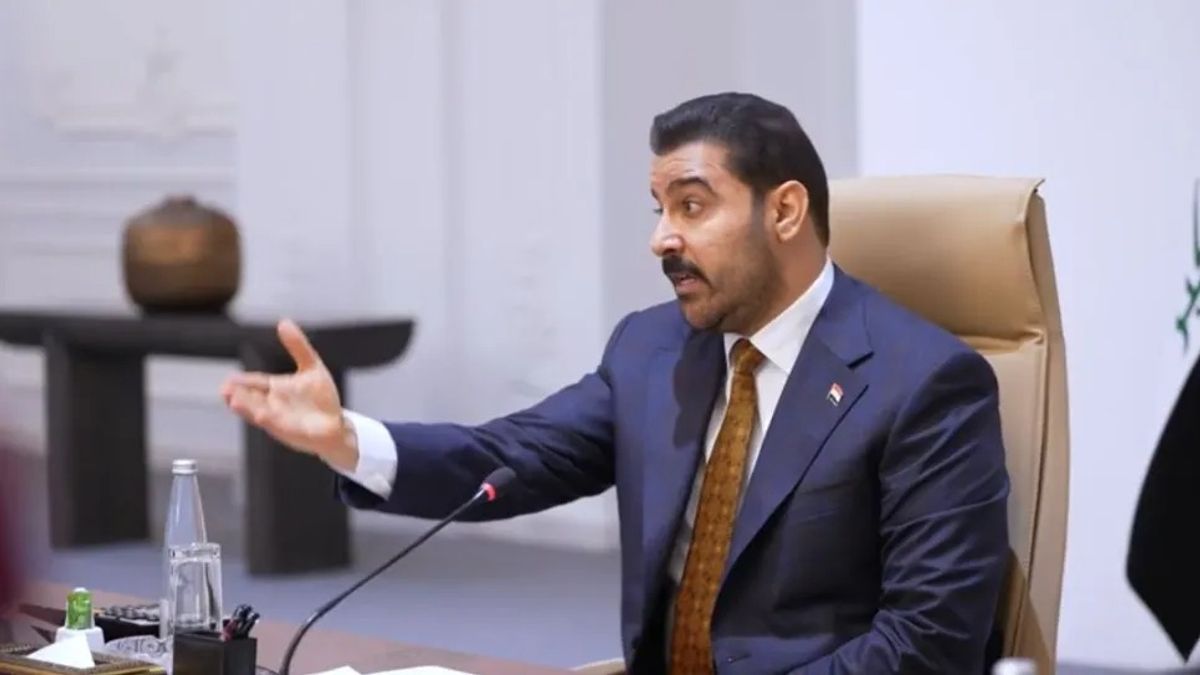
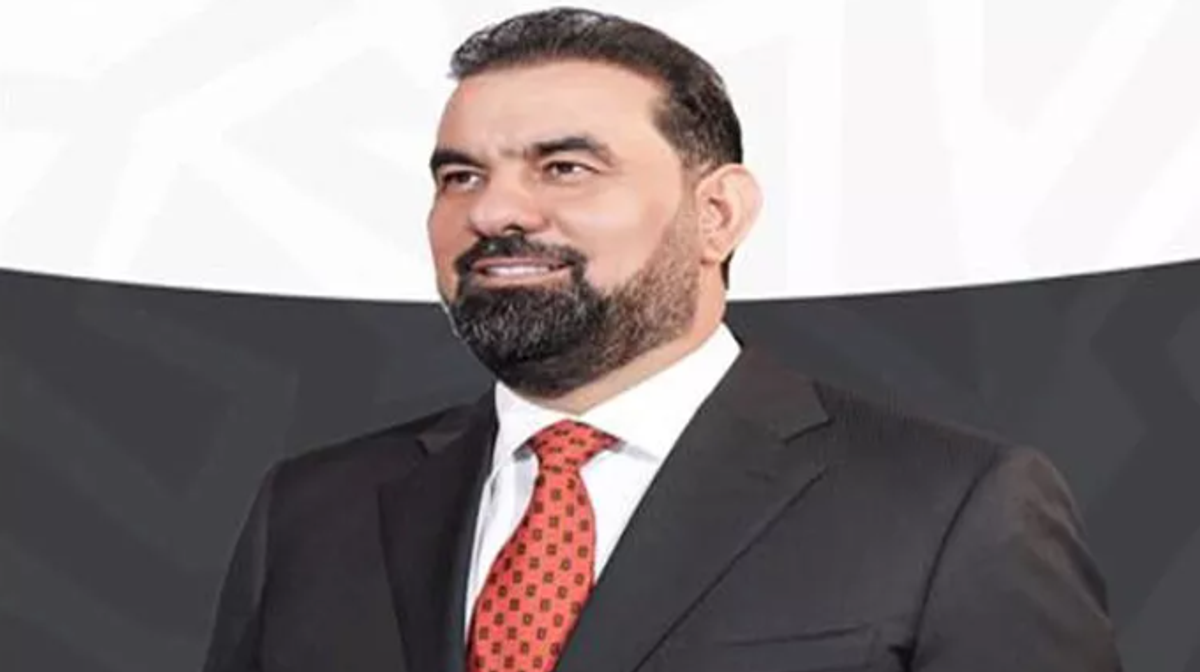
In a sign of the government's seriousness, Prime Minister Al-Zaidi dismissed nine security and administrative officials, including figures from Babil's security agencies and the oil sector, following findings of the investigation into smuggling and failures to prevent it.
He also ordered the prosecution of those suspected of involvement, as part of efforts to hold those responsible accountable and protect Iraq's oil wealth.
Government gives Kataib Hezbollah a deadline as forces prepare to enter
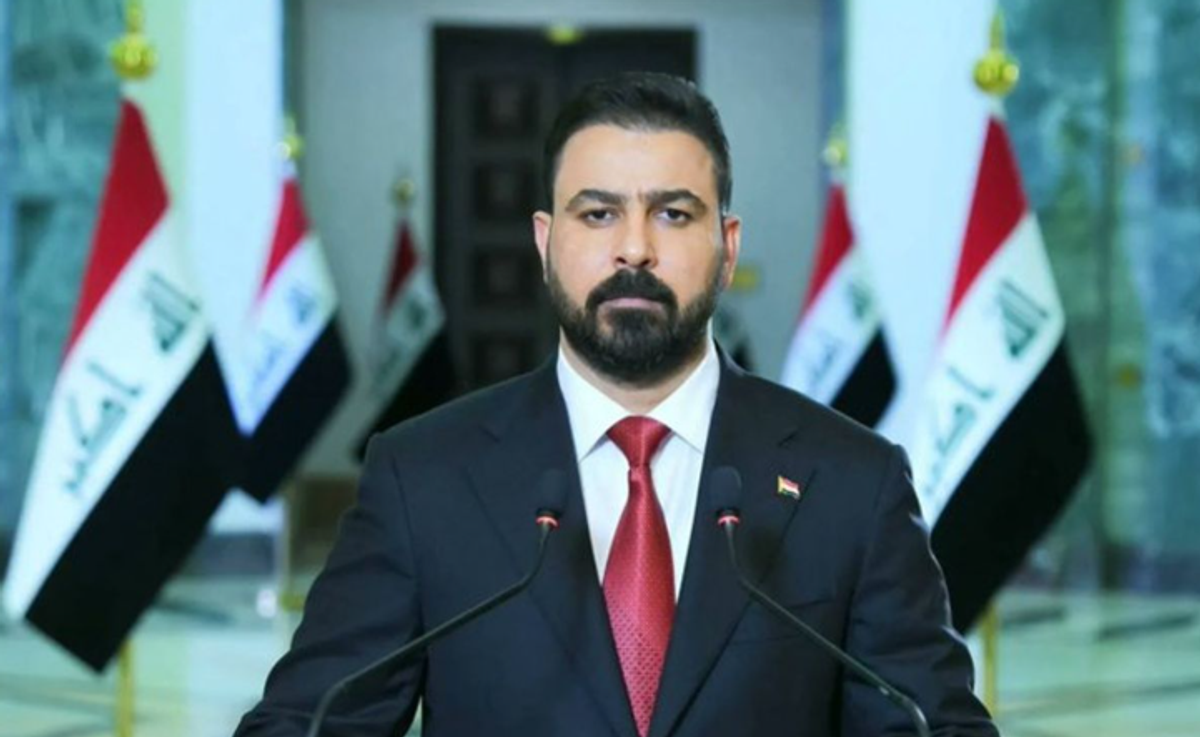
Amid the escalating crisis, government spokesperson Haidar Al-Aboudi announced that Prime Minister Al-Zaidi had instructed the armed forces to enter Jurf al-Nasr—the official name for Jurf al-Sakhar—and set a deadline for the armed group present there to leave.
Al-Aboudi said the deadline was imminent, though no date was initially announced. Agence France-Presse cited a security source saying the deadline would expire on Friday, November 20.
This move is part of government efforts to assert state authority over the area and pursue those involved in oil smuggling, amid reports of increased government troop deployments around Jurf al-Sakhar in preparation for entry.
Kataib Hezbollah refuses to withdraw
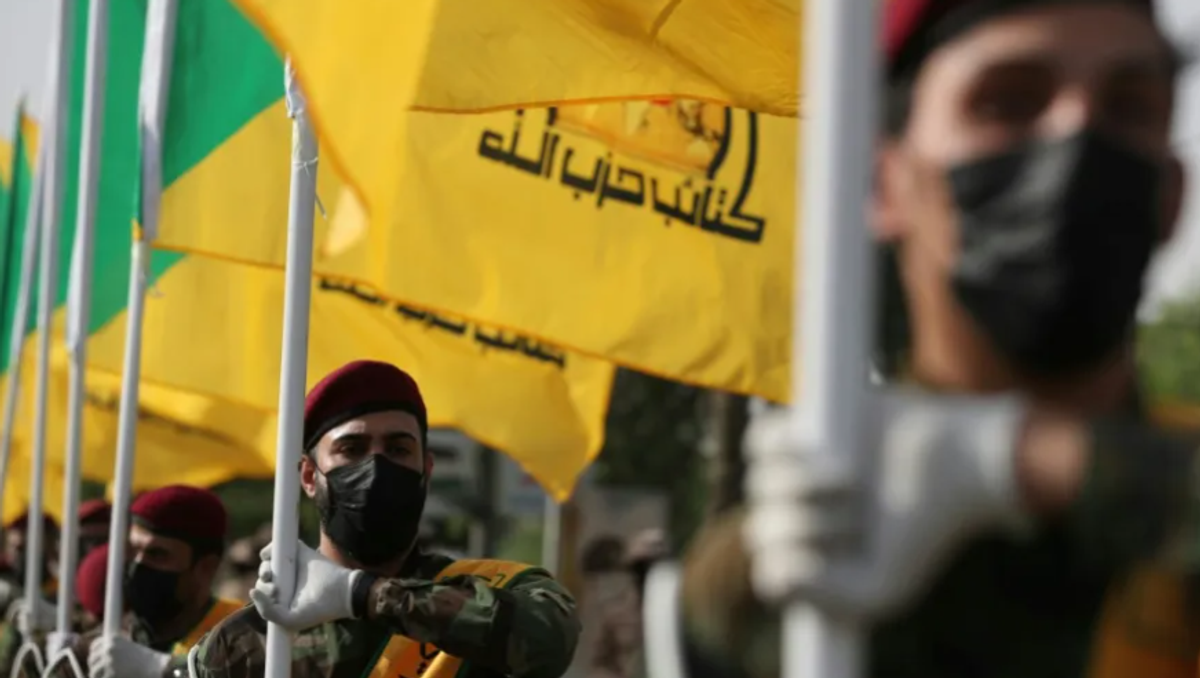
A Kataib Hezbollah commander has rejected the government's deadline to withdraw from Jurf al-Sakhar, insisting the group will remain despite the threat of military intervention.
Commander Abu Talib Al-Saeedi told AFP during a media tour organized by the group in Jurf al-Sakhar: "I can say with absolute certainty that the dream of the Kataib withdrawing from Jurf al-Sakhar will not come true, even over our bodies, blood, legacy, and wounded."
His remarks underscore the group's refusal to relinquish its presence as the government seeks to regain control, raising the risk of escalation if political efforts fail before the deadline expires.
Accusations of blocking judicial committee from entering area
Meanwhile, sources from Al Arabiya and Al Hadath TV reported on Tuesday that Kataib Hezbollah is preventing the judicial committee from entering Jurf al-Sakhar to continue investigations into oil smuggling.
Previous reports indicated that investigative teams faced difficulties operating in the area, with restrictions on their movement and access to certain sites, despite a government committee entering on November 13 to begin field inspections.
Government: We will not allow tampering with oil wealth
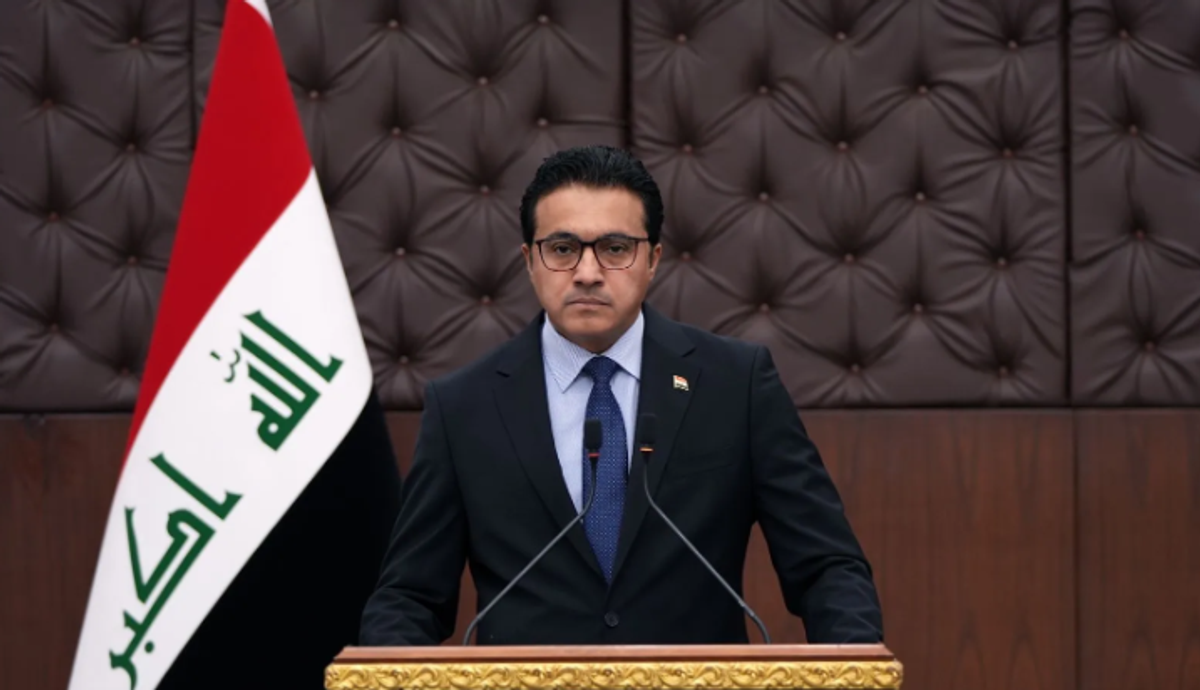
Government spokesperson Haidar Al-Aboudi stressed that the government has a plan to clear Jurf al-Nasr of any party or group tampering with oil resources, noting that Interior Ministry cameras corroborated intelligence on smuggling operations.
At a press conference, Al-Aboudi said the cabinet had taken several decisions regarding oil smuggling, adding that the government would soon announce new developments in the case.
He emphasized that "oil and gas belong to all Iraqis under the constitution," affirming that government measures aim to protect national resources and hold accountable those proven to be involved in smuggling or attacking oil facilities.
Jurf al-Sakhar: From oil smuggling to security flashpoint
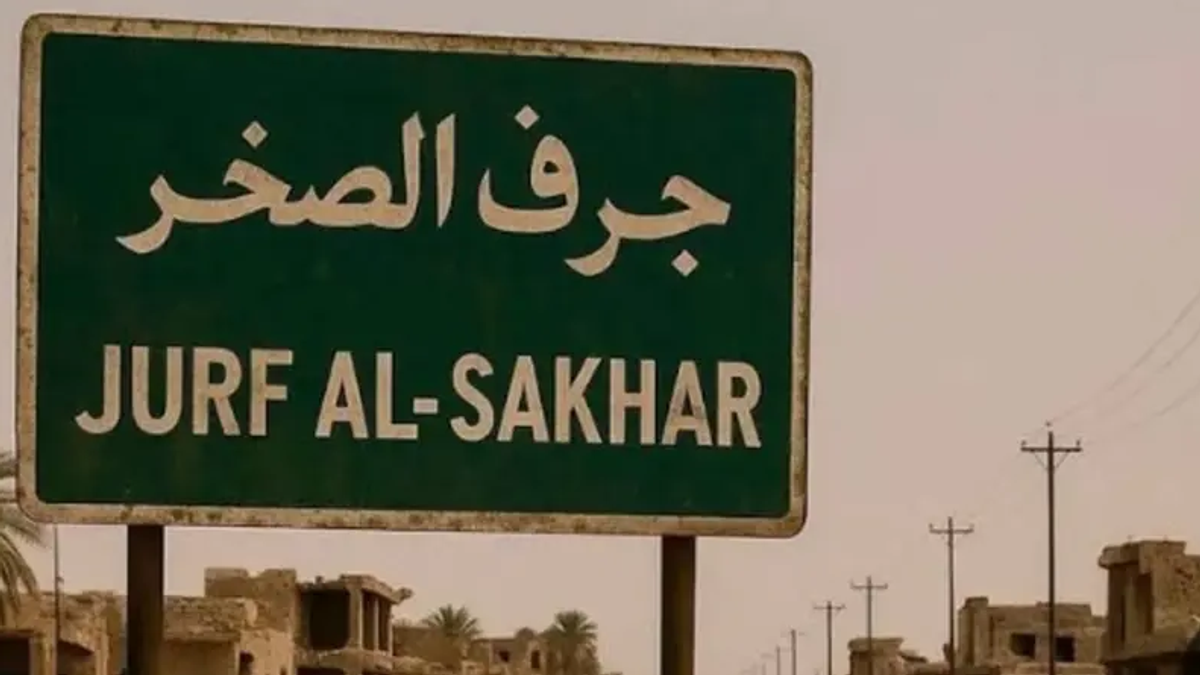
Jurf al-Sakhar, also known as Jurf al-Nasr, is located in Babil province south of Baghdad and has been a sensitive security zone since it was retaken from Daesh in 2014. Armed groups, most notably Kataib Hezbollah, continue to wield influence there.
With the government accusing a network of oil smuggling and Kataib Hezbollah denying responsibility and refusing to withdraw, Prime Minister Al-Zaidi's administration faces a major test in asserting state authority and safeguarding oil resources.
As the Friday deadline approaches, the key question remains: will Baghdad regain control of Jurf al-Sakhar through a political settlement, or will the crisis escalate into a direct confrontation between government forces and Kataib Hezbollah?