

Macron vows to prosecute rioters, announces Gulf visit
French President Emmanuel Macron condemned recent unrest, pledged legal action against rioters, called for dialogue, and announced a Gulf tour starting Monday.
Key Takeaways
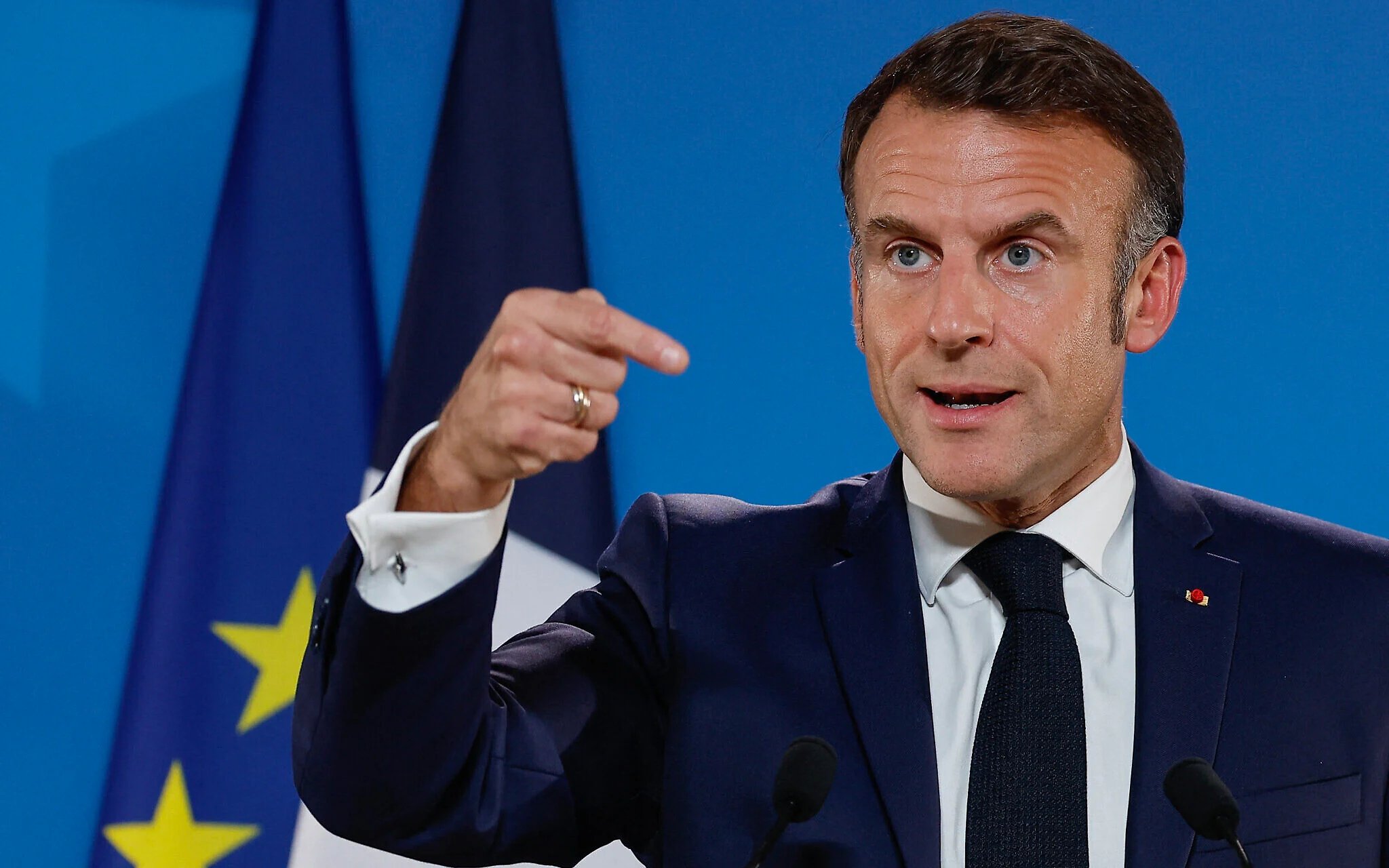
AIFrench President Emmanuel Macron said on Sunday there is no justification for the riots and violence taking place in France, stressing the need to prosecute those involved in acts of vandalism amid ongoing protests across the country.
Speaking at a press conference, Macron said he understands the demands of protesting students and emphasized the importance of listening to them, while distinguishing between legitimate grievances and violent acts.
He added that authorities will protect all shops to prevent looting, and that legal measures will be taken against vandals. Macron called for a roundtable dialogue to address the country’s challenges through discussion and by hearing the demands raised.
Gulf visit
On energy, Macron announced he will embark on a tour of Gulf states on Monday as part of France’s efforts to secure energy imports. He noted that France is working to ensure energy supplies and contain rising fuel prices amid pressures on global energy markets.
Crisis origins
The protests in France began last September with student movements at several high schools, objecting to teacher shortages and declining educational services. The demonstrations later expanded to include social and economic demands, such as rising living costs, fuel prices, and reduced purchasing power.
Labor unions and protest groups joined the demonstrations, which spread to several French cities. Some marches saw clashes with police, as well as acts of vandalism and looting of shops and public buildings, prompting authorities to tighten security and take action against those involved in violence.
Tensions escalated on Saturday, October 17, with widespread protests across the country and varying estimates of participant numbers. According to Reuters, the Interior Ministry reported around 550,000 participants, while the General Confederation of Labour estimated about 800,000 demonstrators.
Following the clashes, the number of detainees and injured security personnel increased, while the government faced pressure to contain the unrest and respond to social demands, stressing the need to distinguish between the right to protest and acts of vandalism.