

Libya signals willingness to address Egypt’s concerns over maritime border with Turkey
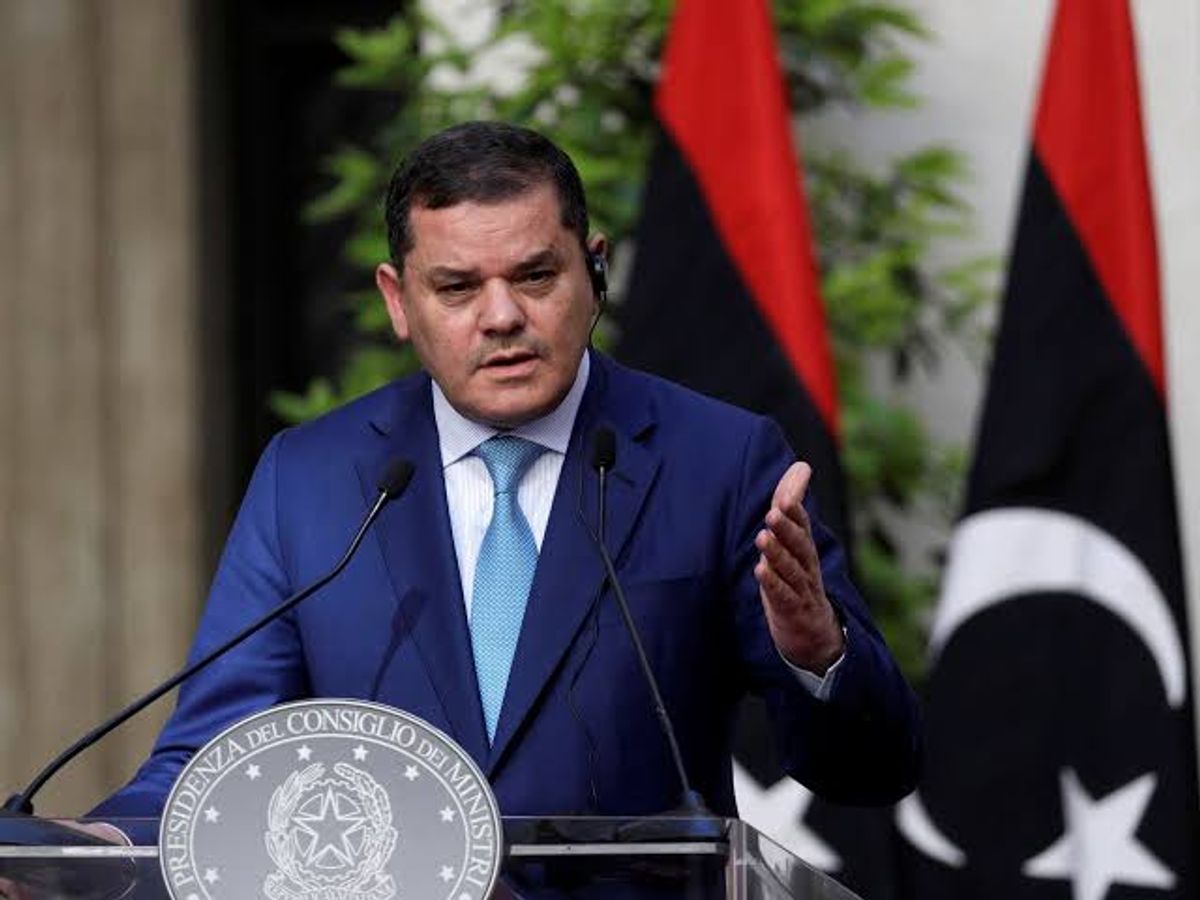
Libyan Prime Minister Abdulhamid Dbeibah says his government is ready to address Egypt’s concerns about maritime borders with Turkey in the Mediterranean.
Key Takeaways
AILibyan Prime Minister Abdulhamid Dbeibah has expressed his government’s readiness to address Egypt’s concerns regarding maritime borders and economic waters in the Mediterranean, during a phone call with Egyptian General Intelligence Service chief Hassan Rashad. The move comes after Cairo rejected a maritime border demarcation agreement between Turkey and Libya.
Dbeibah’s office said in a statement on Saturday that the call discussed bilateral relations and ways to coordinate on issues of mutual interest.
On Wednesday, Egypt rejected an agreement approved by Libya’s eastern-based parliament with Turkey to demarcate maritime borders, describing it as “null and void and without legal effect” for Egypt.
Egyptian Foreign Minister Badr Abdelatty, during talks with his Turkish counterpart Hakan Fidan in Istanbul, reaffirmed Cairo’s categorical rejection of the 2019 maritime memorandum of understanding signed between Turkey and Libya’s former Government of National Accord led by Fayez al-Sarraj. He called it “ink on paper,” stressing that its ratification by the Libyan House of Representatives carries no legal weight for Egypt.
Abdelatty reiterated Egypt’s commitment to its rights under international law, warning against any actions or decisions based on the memorandum that conflict with Egypt’s declared maritime borders. He affirmed Cairo’s right to take necessary measures to protect its sovereign rights in its exclusive economic zone and continental shelf.
The memorandum dates back to November 2019, when Turkey and the former Libyan Government of National Accord signed an agreement on maritime border and continental shelf demarcation in the eastern Mediterranean, aiming to pave the way for oil and gas exploration. The deal drew objections from Egypt, Greece, and Cyprus, which argued it infringed on their sovereign rights and ignored the region’s geographic realities, including major coasts and islands in the eastern Mediterranean.