

Iraq steps up crackdown in Jurf al-Sakhar as PM sets deadline for militia withdrawal
Prime Minister Ali Al-Zaidi intensifies security operations in Jurf al-Sakhar, ordering a military cordon and giving armed groups a deadline to withdraw.
Key Takeaways
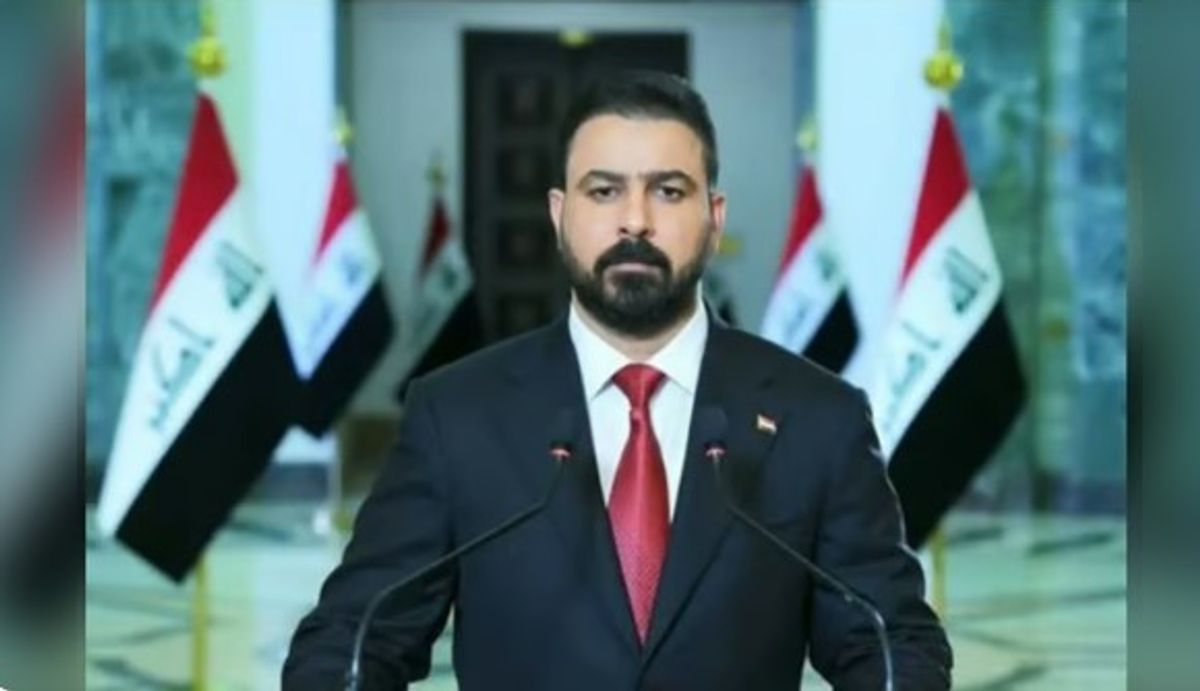
AIIraqi Prime Minister Ali Al-Zaidi has intensified security and military operations targeting oil smuggling in the Jurf al-Sakhar area of Babil province, instructing security leaders to complete plans to cordon off the region and reinforce surrounding checkpoints amid preparations for a possible order to enter the area.
Sources told Al Arabiya that Al-Zaidi directed the completion of military preparations to encircle Jurf al-Sakhar, while the Coordination Framework has given armed factions a deadline to withdraw from the area, which has been under militia control for nearly 12 years.
During a meeting with security leaders, Al-Zaidi stressed that the Iraqi judiciary supports anti-smuggling measures, emphasizing the government's ability to confront smuggling gangs and pledging that not a single inch of the country would remain subject to smuggling or theft, referring to the drain on Iraq caused by smuggling and corruption.
He added that the Iraqi people back the government's actions on this issue, confirming that the judiciary fully supports the investigative committee tasked with following up on oil smuggling in Jurf al-Sakhar.
Nine officials dismissed, suspects referred to judiciary
These moves follow decisions by Al-Zaidi to dismiss nine officials, including security leaders in the Popular Mobilization Forces and officials from the Oil Ministry, after investigations into oil derivative smuggling in Jurf al-Sakhar—also known as Al-Nasr—located about 100 kilometers north of Baghdad.
The dismissals included the Babil National Security Director, the Defense Ministry's Intelligence and Security Director for the province, the Babil Intelligence Director, the local Popular Mobilization Forces commander, the commander of the Sixth Energy Police Brigade, and the director of the Oil Pipeline Company. Those accused of involvement in smuggling operations have been referred to the judiciary for legal action.
An investigative committee comprising army, police, security, and Popular Mobilization Forces leaders arrived in Jurf al-Sakhar on Friday morning to begin probing the circumstances of the oil smuggling operations and the parties involved.
Kataib Hezbollah refuses to withdraw
In a development highlighting widening rifts between the government and armed factions, Iraq's Kataib Hezbollah has escalated its criticism of the government's report on oil smuggling in Jurf al-Sakhar, accusing authorities of deception.
In a statement issued Sunday, the group declared it "will not abandon Jurf al-Sakhar or its weapons regardless of pressure," a stance at odds with government efforts to assert security control over the area and pursue those involved in smuggling.
These developments present a new test for Al-Zaidi's government in its efforts to ensure all weapons are under state control, especially as disagreements persist with some armed groups over their future presence and security influence.
Since taking office, Al-Zaidi has launched negotiations with armed factions to hand over their weapons, with three groups responding positively and talks ongoing with five others, including Kataib Hezbollah.
The Iraqi prime minister has set June 30, 2027, as the final deadline for all weapons to be placed under state authority, marking one of the most challenging security and political issues facing his administration.