

GCC chief reaffirms Gulf states' commitment to tackling non-state armed groups
GCC Secretary-General Jassem Al-Budaiwi stresses the need to limit arms to state control and support regional and international stability efforts.
Key Takeaways
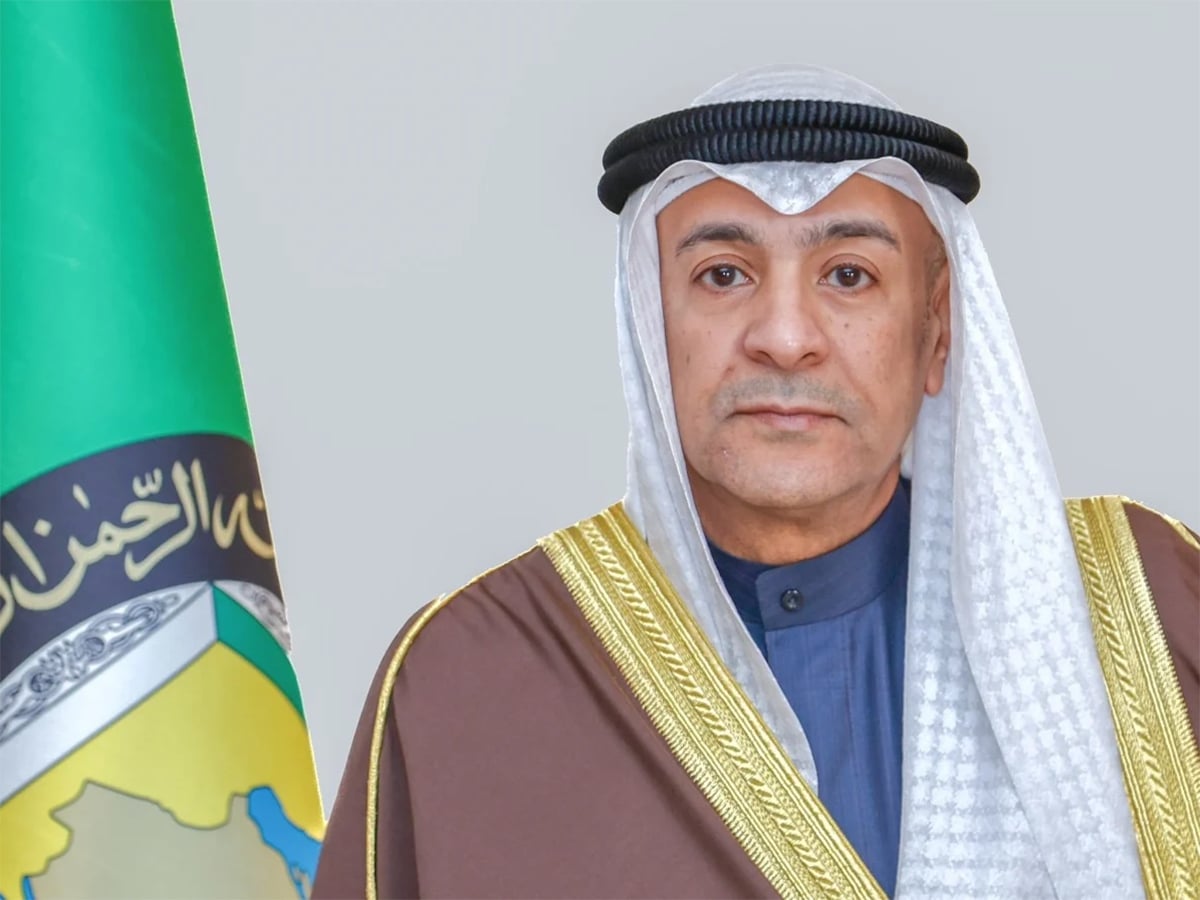
AISecretary-General of the Gulf Cooperation Council, Jassem Mohammed Al-Budaiwi, affirmed that the GCC Secretariat's organization of the seminar "Challenges Related to Non-State Armed Groups"—held on the sidelines of the UN General Assembly in New York with high-level international participation—reflects the commitment of GCC states to confronting this challenge and promoting regional and international security and stability.
In his opening remarks, Al-Budaiwi stated that the presence of armed groups outside state institutions poses a challenge that goes beyond security concerns, impacting national sovereignty and independent decision-making. He emphasized the GCC's consistent position that there should be no parallel military force or arms outside state institutions.
He stressed that investing in peace begins with building a strong state with robust institutions capable of protecting citizens, upholding the law, and ensuring security, justice, and opportunity. He noted that weak state institutions create security and political vacuums exploited by armed groups to expand their influence and challenge state authority.
Challenges and the Gulf role
Al-Budaiwi highlighted that the threat intensifies when armed groups possess independent weapons and resources or receive external support, noting that the region has witnessed such groups using missiles and drones to threaten neighboring countries and international navigation.
He pointed out that the GCC's stance is grounded in the UN Charter and international legitimacy, recalling the Gulf's role in supporting political solutions, including the 1989 Taif Agreement and the 2011 Gulf Initiative and its implementation mechanism in Yemen.
Call to the international community
Al-Budaiwi reaffirmed the GCC's ongoing support for countries in the region—such as Yemen, Lebanon, Iraq, and Syria—in asserting the rule of law and restricting arms to state control, alongside efforts for recovery, development, and addressing the humanitarian impacts of conflict.
In closing, he called on the international community to halt the flow of weapons, funding, training, and military technology to armed groups, hold supporting parties accountable, and tighten controls on the transfer of missiles and drones. He also urged support for governments in strengthening their institutions, linking disarmament programs to development and reconstruction, and affirmed that GCC states will remain steadfast partners in safeguarding regional and international peace and security.