

White House plans to expand Trump’s executive powers in case of Democratic Congress
The White House is preparing strategies to let President Trump pursue his agenda through executive authority if Democrats win control of Congress, sources say.
Key Takeaways
AIThe White House is preparing for the possibility that Democrats could take control of Congress by developing plans that would allow US President Donald Trump to continue advancing his priorities through executive powers, while his aides brace for potential congressional investigations into administration decisions and officials’ communications.
Reuters has revealed that these preparations have been underway for months in anticipation of a shift in the balance of power following Tuesday’s elections.
A White House official and two sources familiar with the matter said that senior officials—including Deputy Chief of Staff Stephen Miller and Budget Director Russell Vought—have worked with the Office of Legal Counsel since April to identify actions in areas such as immigration, trade, housing, and federal spending that could be taken without congressional approval. The team has also examined the legal limits of these powers and how to defend them in court.
According to the sources, options under consideration include imposing new tariffs on imports of critical minerals and wind turbines, tightening rules for international student and temporary worker visas, and introducing measures to reduce housing and construction costs. Federal agencies have submitted proposals and legal reviews for actions the administration could take unilaterally.
On spending, the team has explored priorities that could be funded with money already allocated by Congress and sought to amend federal grant rules to give appointed political officials broader authority in selecting beneficiary programs, potentially expanding White House influence over funding without new legislation.
Trump has been briefed on these preparations and has participated in discussions. According to a White House official, he was "very comfortable" with the prospect of running the country through executive authority under a Democratic majority.
Nevertheless, the White House has dismissed the possibility of a Republican loss, insisting the administration will continue to pursue its priorities.
These moves come as polls suggest Democrats are likely to win the House of Representatives, while the Senate race remains too close to call.
Currently, Republicans hold 218 seats to the Democrats’ 214 in the House, and 53 to 47 in the Senate.
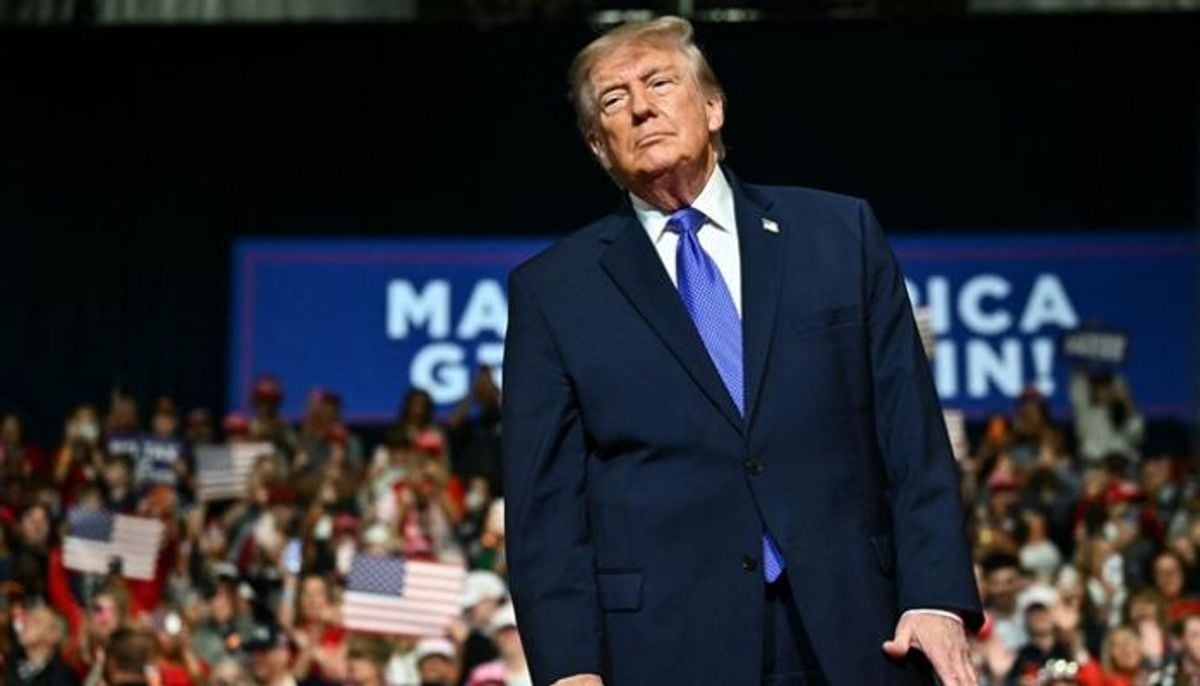
Trump has ramped up campaign rallies to maintain his party’s control, while his aides prepare for a possible shift in 2027.
Despite the potential loss of a majority, the president retains broad powers over trade, foreign policy, and federal agencies. During his second term, he has used these powers to impose tariffs, tighten immigration laws, reduce federal staff, and wage war against Iran without congressional approval, relying on national emergency declarations to expand his authority.
Conversely, Democrats could block legislation and spending priorities, and a Senate majority would allow them to stall the president’s executive and judicial nominees. Trump still holds veto power, which requires a two-thirds majority in both chambers to override, while the courts can halt executive actions that exceed legal authority.
Congressional investigations, however, present a challenge that cannot be bypassed by executive orders. Leading Democrats have discussed using hearings, subpoenas, and document requests to examine whether Trump has used his powers for personal or political gain, prompting his aides to prepare for this scenario for months.
White House lawyers have provided guidance to officials and agency heads on responding to congressional inquiries, document requests, and subpoenas, advising caution in written communications.
The team is also seeking a legal opinion from the Justice Department to invoke executive privilege and withhold communications with special advisers from congressional scrutiny.