
Iran signals imminent action to break maritime blockade
Iran has escalated threats against the US, warning of imminent military moves to break the maritime blockade as shipping traffic declines in the Strait of Hormuz.
Key Takeaways
AIIran has intensified its threats against the United States, declaring that the "zero hour" to break the maritime blockade on its ports is approaching, and hinting at possible military action in the air and at sea, as shipping traffic through the Strait of Hormuz declines.
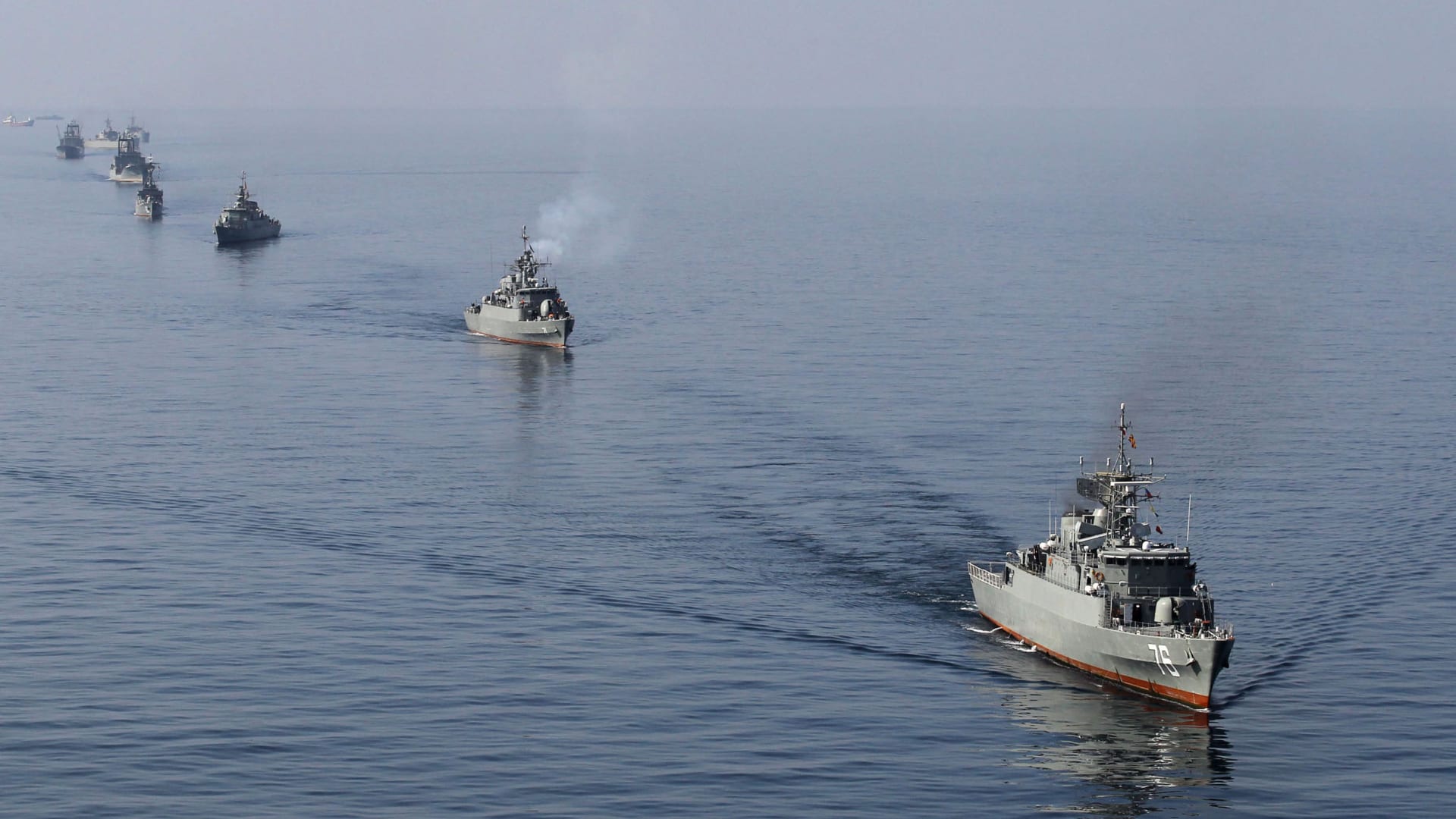
Ali Azmaei, commander of the naval forces of the Islamic Revolutionary Guard Corps (IRGC), stated that the "zero hour to break the maritime blockade is imminent." The IRGC's aerospace commander warned that the enemy should expect action in both air and sea, stressing that breaking the blockade is a "firm mission and unwavering resolve for Iran."
In separate remarks, Shahram Irani, commander of the Iranian Navy, said his forces have trained, taken their positions, and are awaiting orders. Chief of Staff Ali Abdollahi also announced the readiness of both the army and IRGC naval forces to respond to any threat.
Hormuz: the main pressure point
Iran's most significant leverage lies in the Strait of Hormuz, where it can tighten monitoring of vessels and impose conditions for passage, in addition to using patrol boats, drones, and the threat of mines to disrupt or increase risks to shipping. On Thursday, the IRGC claimed that two oil tankers exploded and caught fire after hitting naval mines north of Khasab, Oman, alleging they used unauthorized routes. However, the Joint Maritime Information Center, in its November 26 update, said no official or national authorities had confirmed Iran's claims about tankers striking mines.
The center recorded four attacks on vessels during the latest monitoring period, up from three previously, and reported that 17 tankers have been targeted in the Strait of Hormuz since early November. It also noted continued drone flights, vessel monitoring, and radio communications, rating the threat level in the strait as "severe."
Its data showed only three visible commercial tanker transits via tracking systems between November 22 and 25, with overall observed shipping activity remaining extremely limited.
Breaking the blockade: Iran's options and risks
Iran has several options: continuing to pressure shipping without direct confrontation; attempting to escort oil tankers from its ports under military protection to test Washington's ability to intercept them; or expanding retaliation to military targets if a direct clash occurs.
In a separate development, Navy commander Shahram Irani said Iranian forces had recovered two tankers allegedly seized by the US military, but did not disclose the tankers' names, or when and where the incidents occurred. There was no immediate US comment on the claim.
The US blockade, reinstated on July 14, targets all vessels entering or leaving Iranian ports and coastal areas, regardless of their flag.
US measures allow interception, rerouting, or detention of ships, but distinguish between those bound to or from Iran and neutral transit through the Strait of Hormuz to non-Iranian ports, which Washington says it does not intend to block.
Negotiations ongoing, but gaps remain
Despite the escalation, Iranian Foreign Minister Abbas Araqchi said Thursday that Qatar and Pakistan continue to relay proposals between Tehran and Washington.
Iran has linked reopening the strait to lifting the blockade, ensuring safe passage for commercial vessels and oil tankers, lifting sanctions, granting export exemptions, releasing frozen assets, ending the war, and keeping nuclear materials inside the country.
Washington, meanwhile, wants to guarantee freedom of navigation without attacks, and insists on including the nuclear file in negotiations from the outset.
The recent strike that killed Italian technicians at a military site in Kuwait has heightened the risk of escalation, with Kuwait and Italy blaming Iran for the attack. Tehran has denied responsibility and offered to conduct a joint investigation.
Three possible scenarios
Scenarios range from continued maritime attrition and mutual pressure, to a direct Iranian attempt to escort tankers under military protection—which could lead to clashes with US forces—or an expanded confrontation targeting military sites in the Gulf.
So far, Iran's reference to the "zero hour" remains a threat of escalation, with no specific date or announcement of military action to break the blockade. The next step depends on Tehran's decision to take concrete maritime action and Washington's response to any attempt to bypass the blockade, as Qatari and Pakistani mediation continues without agreement on terms to end the standoff and reopen the Strait of Hormuz.