

Hezbollah Brigades refuse to withdraw from Jurf al-Sakhar despite Iraqi government deadline
Iraq's Hezbollah Brigades have rejected a government ultimatum to leave Jurf al-Sakhar, escalating tensions over oil smuggling investigations.
Key Takeaways
AI
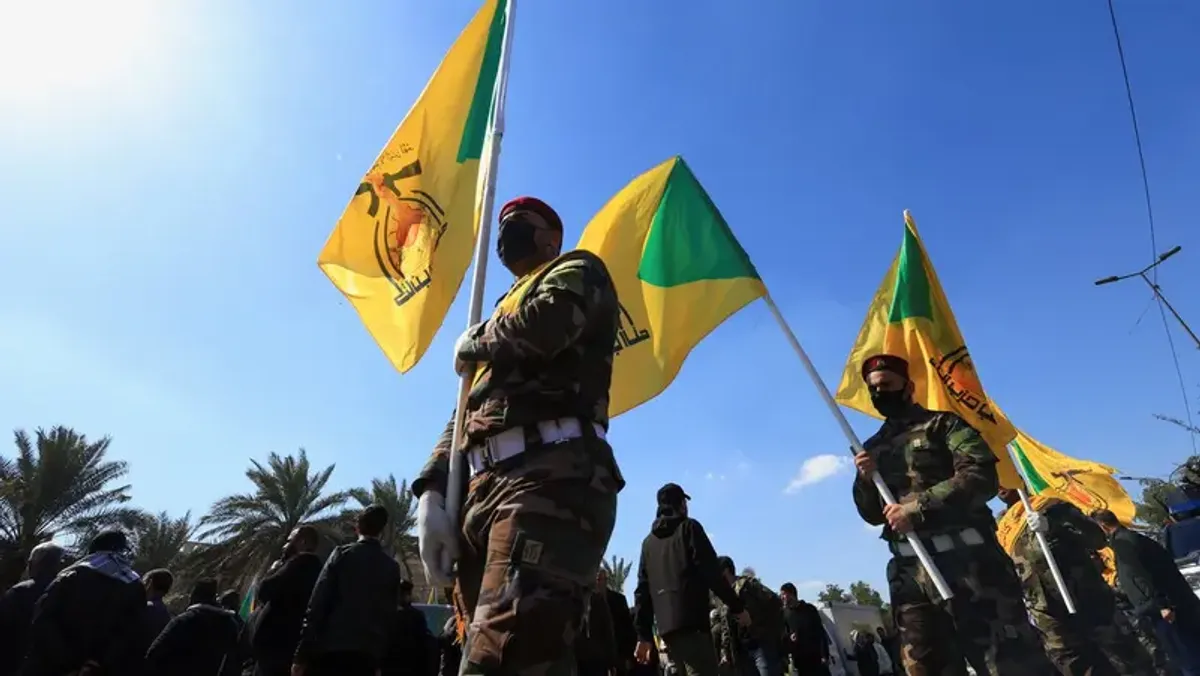
The Iraqi Hezbollah Brigades have refused to withdraw from their stronghold in Jurf al-Sakhar, south of Baghdad, defying a deadline set by Prime Minister Ali al-Zaidi to vacate the area before the armed forces enter. The government has reiterated its determination to clear the area of groups accused of tampering with oil resources, marking a new escalation amid ongoing oil smuggling investigations.
During a media tour organized by the brigades in Jurf al-Sakhar, senior commander Abu Talib Al-Saeedi told Agence France-Presse that the group would not leave the area, using defiant language in response to the government’s decision. “I can say with absolute certainty that the dream of the brigades withdrawing from Jurf al-Sakhar will not come true, not over our bodies, our blood, our legacy, or our wounded,” he declared.
On the other hand, government spokesperson Haider Al-Aboudi said on Tuesday that the government has developed a plan to clear Jurf al-Sakhar of any party or group tampering with oil resources, stressing that “oil and gas belong to all Iraqis according to the constitution.”
Sources from Al Arabiya and Al Hadath reported that the Hezbollah Brigades are preventing the judicial committee from entering Jurf al-Sakhar to complete investigations related to oil smuggling. Meanwhile, Iraqi authorities are preparing to implement the decision to deploy armed forces to the area after the deadline for the group expires, which a security source said ends on Friday.
The standoff comes against the backdrop of government accusations that the Hezbollah Brigades are involved in oil smuggling operations from Jurf al-Sakhar—allegations the group denies, claiming the government is using the case as leverage to pressure them to disarm.
Prime Minister Ali al-Zaidi had given the brigades a deadline to withdraw from the area before the armed forces enter, following government investigations that reportedly uncovered oil smuggling operations. These investigations led to the dismissal of several security officials and an official in the Ministry of Oil, with suspects referred to the judiciary.
Iraqi official sources indicate they possess evidence, documents, and satellite images documenting oil smuggling from the area over several years, saying these activities have caused significant losses to Iraq’s economy. Government investigation reports confirm evidence of tampering with oil pipelines, while the Hezbollah Brigades deny responsibility for the smuggling.
Jurf al-Sakhar is of strategic importance due to its location linking Baghdad with Anbar and Karbala provinces. The Hezbollah Brigades have controlled it since retaking it from Daesh in 2014, making any government move to regain control a new test for relations between the government and armed factions.
The escalation coincides with US pressure on Baghdad to control Iran-aligned armed groups, amid efforts by mediators and political forces to contain rising tensions between the government and the Hezbollah Brigades and prevent the dispute over oil smuggling and control of Jurf al-Sakhar from escalating into direct confrontation.