

Kitesurfing boosts adventure tourism along Saudi coasts
Kitesurfing is gaining popularity in Saudi Arabia, leveraging the natural advantages of the Kingdom’s coastlines, especially along the Red Sea.
Key Takeaways
AIKitesurfing is witnessing growing popularity among water sports in Saudi Arabia, taking advantage of the natural features of the Kingdom’s coastlines, particularly along the Red Sea. The region offers ideal winds and open waters, making it an attractive destination for both local and international kitesurfing enthusiasts and professionals.
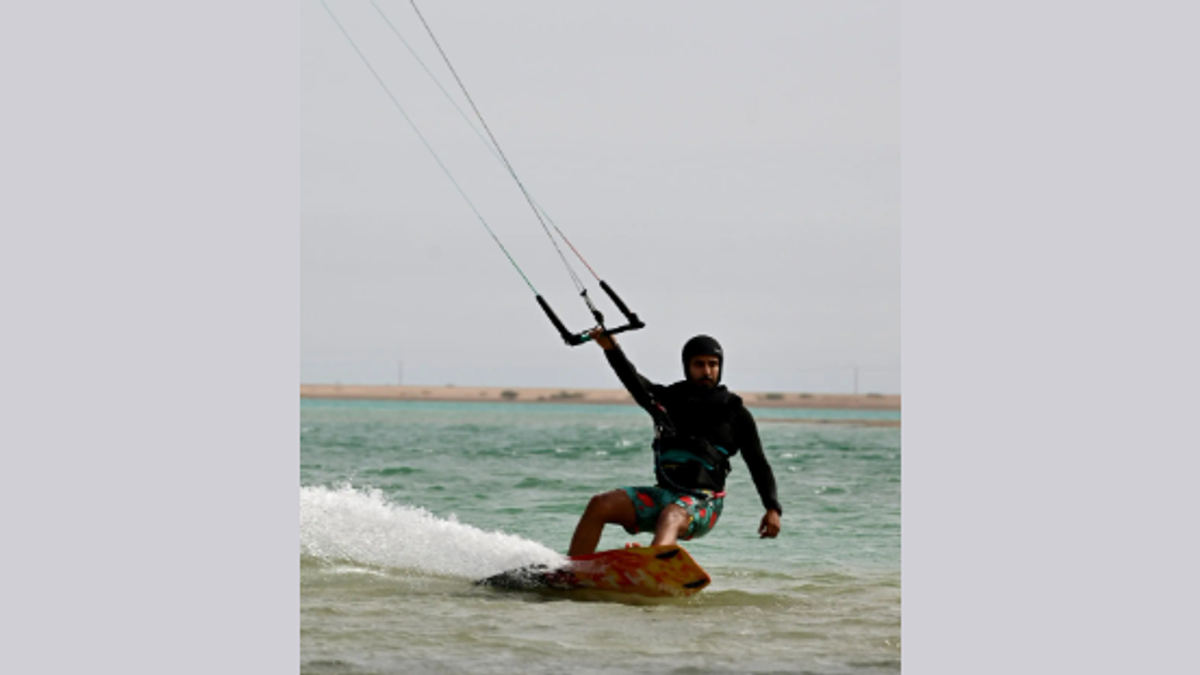
Kitesurfing combines elements of surfing and paragliding, with participants using a kite to harness wind power to propel a board across the water. The sport requires balance, control, and the ability to read wind directions, as well as adherence to safety standards and the use of specialized equipment. Advances in kite and board design, as well as improved safety systems, have made the sport more accessible and safer, encouraging participation across age groups. This growth has led to the establishment of specialized schools and training centers offering programs supervised by certified instructors. Coastal destinations such as Jeddah, Thuwal, Yanbu, and Umluj are experiencing increased kitesurfing activity, benefiting from natural conditions that position them among the most promising locations for water sports enthusiasts.
Kitesurfing is also contributing to the growth of tourism by attracting visitors interested in water sports and supporting related economic activities, including training centers, equipment rentals, hospitality, and entertainment events. This, in turn, positively impacts coastal destinations and enhances the diversity of tourism offerings focused on adventure and experiential travel.
A kitesurfing practitioner noted that the natural features of Saudi Arabia’s coasts, especially along the Red Sea, have attracted a growing number of participants. He pointed out that the Red Sea is considered one of the world’s top destinations for kitesurfing, thanks to its steady winds and extensive coastline.
Saudi Arabia is supporting this trend by developing marine tourism infrastructure and launching unique projects along the Red Sea. The Kingdom is also expanding its hosting of international sporting events, further establishing itself as a leading destination for water sports and enhancing the quality of experiences offered to visitors. These efforts align with the goals of Saudi Vision 2030 to diversify tourism products, improve quality of life, and capitalize on the country’s natural assets. As participation in water sports grows, these activities are becoming a key driver in the development of marine tourism.