

Hajj and Umrah conference workshops propose solutions to enhance pilgrim services
Workshops on the third day of the Hajj and Umrah Conference explored ways to improve the pilgrim experience, boost operational efficiency, and adopt smart solutions.
Key Takeaways
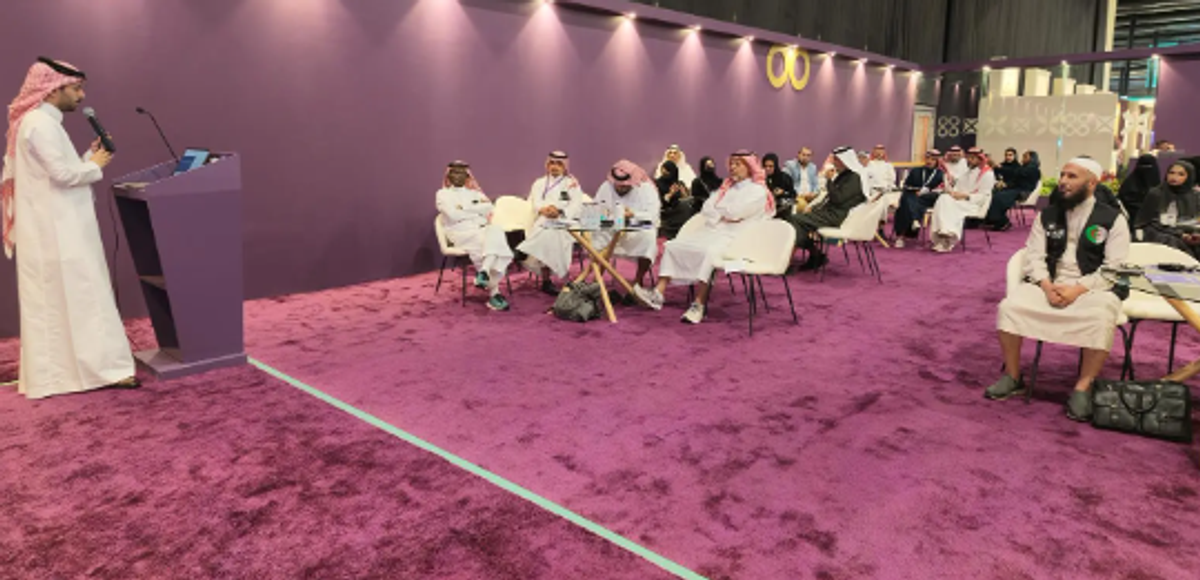
AIWorkshops held on the third day of the Hajj and Umrah Conference concluded with a series of specialized topics focused on enhancing the experience of pilgrims, improving operational efficiency, and utilizing smart solutions for monitoring and control, in addition to strengthening risk management methodologies and raising safety standards in large gatherings.
One workshop addressed customer service through the session "The Pilgrim Experience: From Comprehensive Package to Integrated Journey," highlighting the importance of evolving from offering separate services to building a connected experience that meets pilgrims’ needs at every stage of their journey, thereby improving interaction quality and beneficiary satisfaction.
On the technical and operational front, the workshop "Designing a Smart Model for Monitoring and Control in Hajj Operations" discussed the significance of employing intelligent solutions to monitor operations and analyze data, supporting rapid detection of changes, enhancing decision-making based on information, and increasing the efficiency of site and operations management during the season.
Another session, "A Risk-Based Framework for Planning Safe Evacuation Routes in Gatherings," reviewed the importance of adopting proactive risk assessment methods and planning evacuation routes, which boosts site readiness for emergencies and enhances crowd safety through advance planning and route selection tailored to site characteristics and crowd density.
In the context of service integration, the workshop "How Do Hospitality Centers Integrate with Service Providers for International Pilgrims?" discussed coordination between hospitality centers and service companies, emphasizing clear roles, integrated responsibilities, and unified efforts to ensure service continuity and strengthen the interconnectedness of the pilgrim experience.
The topics addressed in the concluding workshops reflect the diverse approaches to developing the Hajj system, from improving beneficiary experience and advancing technological transformation to preventive planning, risk management, and integration among service providers, all aimed at raising the quality of services for pilgrims and enhancing the efficiency of the overall system.