Riyadh workshop addresses ultrasound challenges in emergency and critical care
Over 55 doctors joined the 12th ultrasound workshop at Alfaisal University, discussing training challenges and the role of ultrasound in improving healthcare.
Key Takeaways
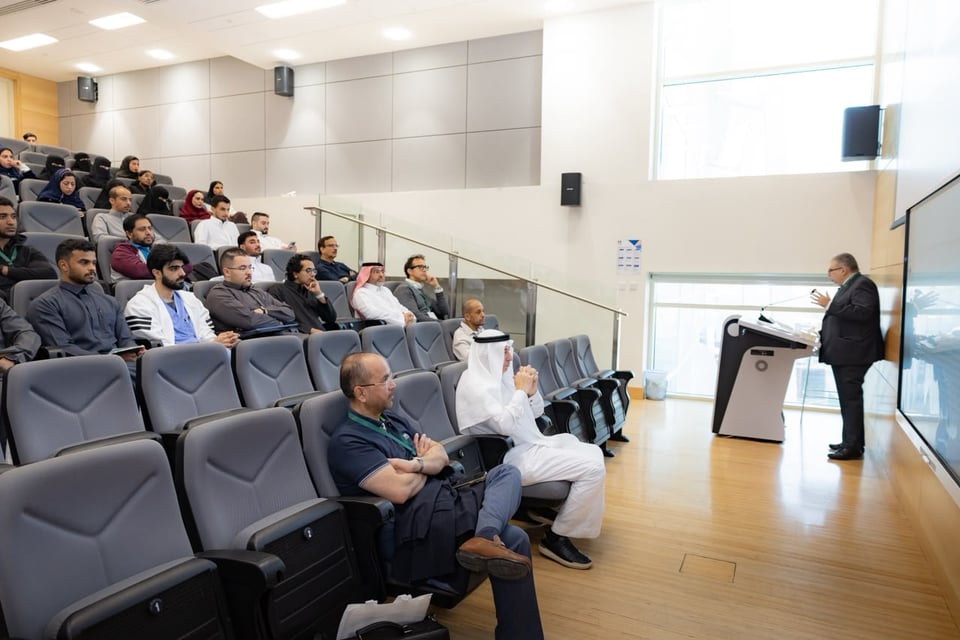
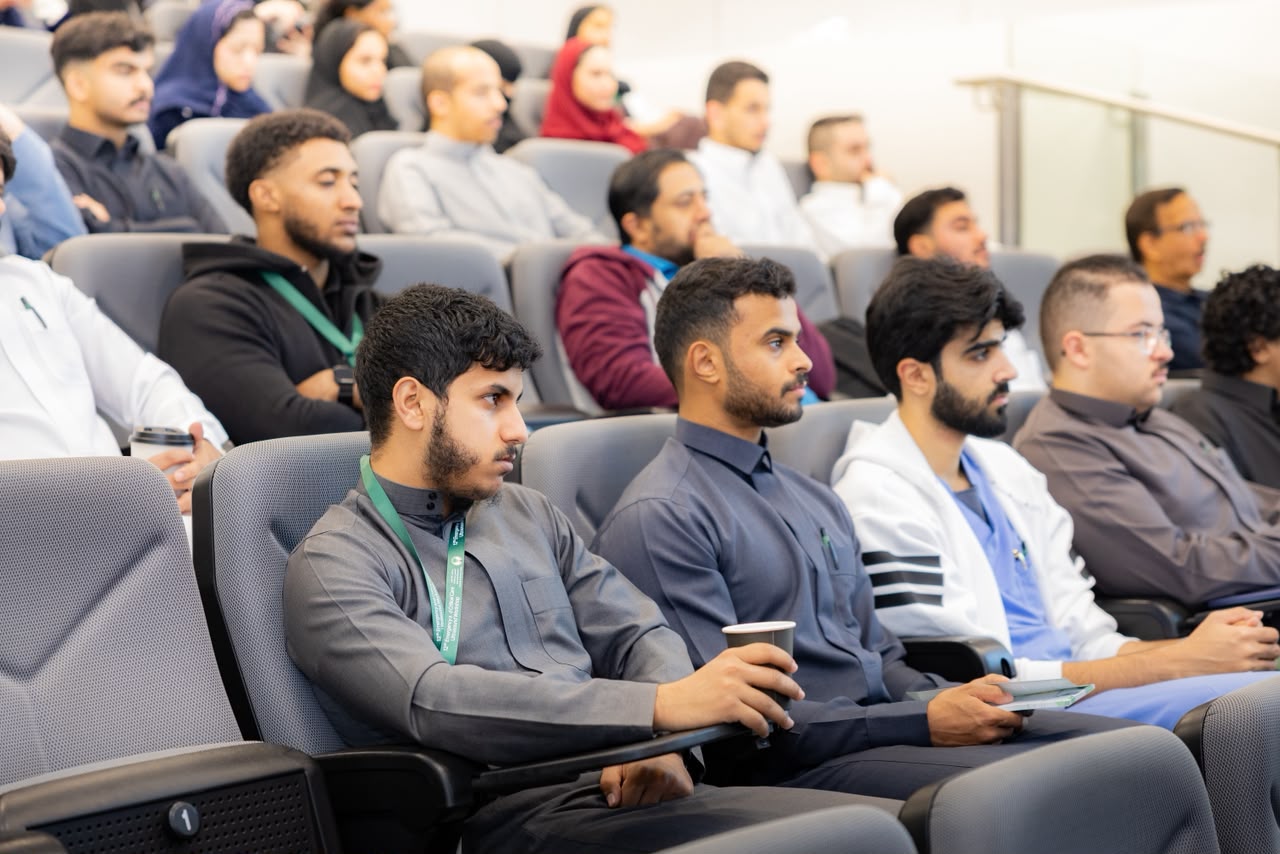
AIKhaled bin Manaa Al-Qattan, Vice President of Alfaisal University for Administrative and Financial Affairs and Dean of the College of Medicine, inaugurated the 12th Workshop on Ultrasound in Emergency and Critical Care, hosted by Alfaisal University in Riyadh and organized by the Emergency Medicine Department at King Faisal Specialist Hospital and Research Centre. The event brought together more than 55 doctors from various healthcare institutions across the Kingdom.
Al-Qattan expressed the university’s pride in hosting this scientific event, which features consultants from King Faisal Specialist Hospital and Research Centre and several other hospitals, with support from European and international scientific bodies. He explained that the annual two-day workshop includes lectures, hands-on sessions, and practical applications aimed at enhancing doctors’ skills in using ultrasound for diagnosis and treatment, aligning with Saudi Vision 2030 goals for advancing healthcare.
Al-Qattan added that King Faisal Specialist Hospital and Research Centre organizes specialized workshops targeting all segments of the healthcare sector, from students to doctors at various professional levels. He noted that scientific evidence has demonstrated the importance of training medical students and doctors in this technology, which has applications across multiple medical specialties.
Hani Al-Hariri, head of the workshop’s organizing committee, consultant in adult emergency medicine, and chair of the Clinical Ultrasound Committee at King Faisal Specialist Hospital and Research Centre, said the main challenge to expanding ultrasound use lies in training and qualifying healthcare practitioners and integrating it into daily practice, despite the availability and advancement of devices.
Al-Hariri explained that point-of-care ultrasound (POCUS) has become an essential tool in clinical practice, offering immediate diagnostic capabilities at the patient’s bedside. This supports medical decision-making in emergency and critical situations, improves diagnosis, and increases the success rates of procedures such as intravenous catheter placement and fluid aspiration. It also plays a role in assessing patients during cardiopulmonary resuscitation, estimating fluid needs, and evaluating cardiac, pulmonary, and circulatory functions.
He noted that the technology is used to assess conditions such as urinary retention, gallbladder problems, and certain types of thrombosis, and does not rely on ionizing radiation. He emphasized the importance of integrating ultrasound into clinical examinations and daily practice, stressing that attending courses alone is not sufficient, and that continuous practice is necessary to develop proficiency.
Al-Hariri highlighted the experience of the Emergency Medicine Department at King Faisal Specialist Hospital and Research Centre in medical education and research in this field since 2012, as well as its collaboration with European and international scientific societies and networks. He described the workshop as one of the most prominent specialized events in the Middle East.
The workshop targets emergency, critical care, pediatric, surgery, internal medicine, and family medicine doctors, as well as other relevant healthcare practitioners. It features practical applications supervised by experts and consultants. The Saudi Commission for Health Specialties has accredited the workshop with 14 hours of continuing medical education. Hosting the event at Alfaisal University aims to strengthen cooperation between academic and healthcare institutions, develop medical competencies, and enhance healthcare quality and patient safety.