

Buraidah Date Carnival showcases rare varieties, celebrates Qassim’s agricultural heritage
Buraidah Date Carnival highlights over 100 date varieties, including rare types that preserve Qassim’s palm heritage.
Key Takeaways
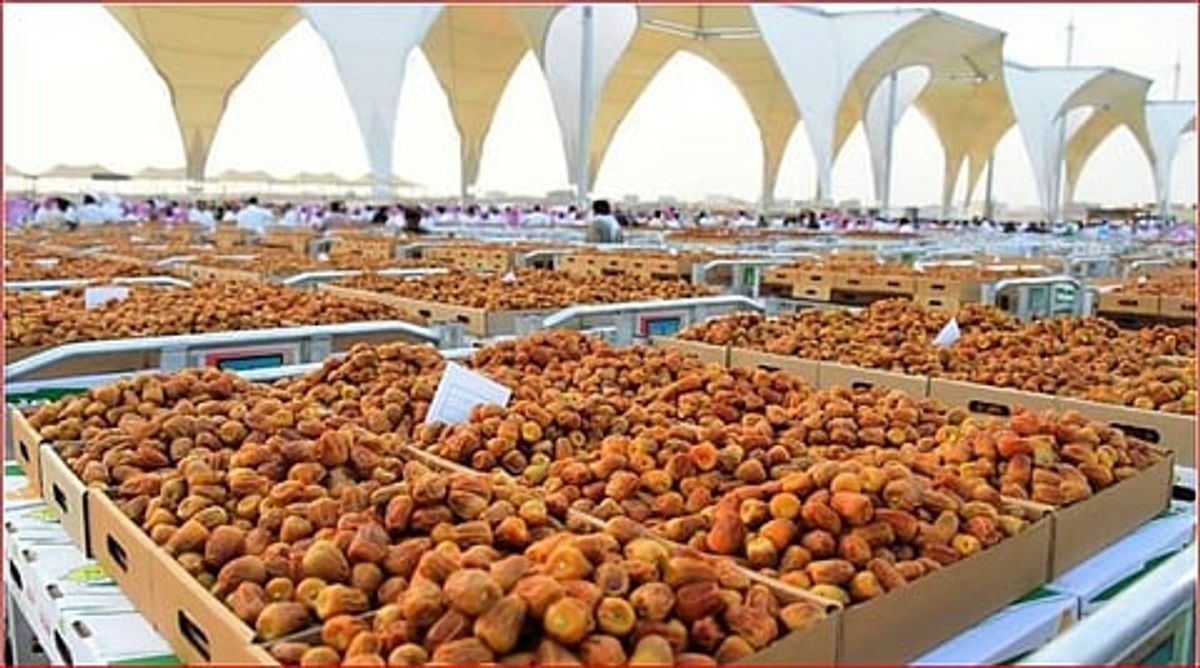
AIThe Buraidah Date Carnival in Qassim is featuring a remarkable display of more than 100 varieties of dates, including rare types that have attracted significant interest from farmers and enthusiasts due to their unique shapes, flavors, and colors. The carnival serves as a platform to introduce these varieties, which represent the region’s rich agricultural legacy, such as Nabtat Saif, Nabtat Ali, Al-Hilwah, Al-Wananah, Al-Maktoumi, Al-Khudri, Al-Rothanah, and Al-Safawi.
These rare varieties draw the attention of carnival visitors with their striking diversity. Farmers are showcasing limited-production types that are not widely cultivated, alongside old local varieties that have been closely linked to Qassim’s agricultural environment for decades.
Organizers explained that the event helps highlight the agricultural and heritage value of these varieties, providing an opportunity for farmers and enthusiasts to exchange expertise on palm cultivation, care, preservation, and marketing.
Supporting genetic diversity and sustaining agricultural heritage
The presence of rare dates at the carnival underscores the importance of preserving the genetic diversity of palm trees, which is considered part of Qassim’s agricultural wealth and a key contributor to the growing date sector in terms of production, marketing, and processing.
These varieties offer farmers a chance to expand their production options and revive types that have declined in recent years, helping to safeguard and sustain the region’s agricultural heritage for future generations.
Global event aligns with Saudi Vision 2030
The annual Buraidah International Date Carnival runs for 75 days from August 1 to mid-October, organized by the National Center for Palms and Dates. The event supports the goals of Saudi Vision 2030 by developing the agricultural sector and enhancing food security, establishing itself as a major global economic and agricultural event.