

Heart transplant at King Faisal hospital restores young woman’s life in Riyadh
A medical team at King Faisal Specialist Hospital in Riyadh enabled a woman in her twenties to return to her studies and art after a heart transplant.
Key Takeaways
AIA medical team at King Faisal Specialist Hospital and Research Centre in Riyadh has enabled a woman in her twenties, named Durrah, to return to her studies and artistic pursuits after she underwent a heart transplant following the discovery of a genetic mutation threatening her heart muscle through genetic screening.
Durrah’s condition was identified after her sister was diagnosed with cardiomyopathy. The medical team recommended genetic testing for the rest of the family, which revealed that Durrah carried the same mutation. She then began close medical monitoring before her condition could worsen.
Dr. Ahmed Riyad Al-Mustafa, adult heart failure consultant at the hospital and supervisor of the case, explained that genetic screening is one of the most important steps in determining the causes of cardiomyopathy, as it helps in the early detection of cases among family members even before symptoms appear.
As Durrah’s heart function declined, she underwent several medical procedures, including cardiac catheterization, MRI scans, and medication. However, as her condition deteriorated, she was placed on the heart transplant waiting list, where she waited for about five months, spending part of that time under intensive care until a suitable donor was found.
Recovery and return to normal life
After the transplant, Durrah required extracorporeal membrane oxygenation (ECMO) to support her heart and lung function temporarily, until her condition stabilized and her body accepted the new heart three days after surgery.
The operation lasted eight hours, with her family waiting outside the operating room, supported throughout by a nurse. The medical team noted that continuous monitoring of her condition contributed to the success of the surgery and her recovery.
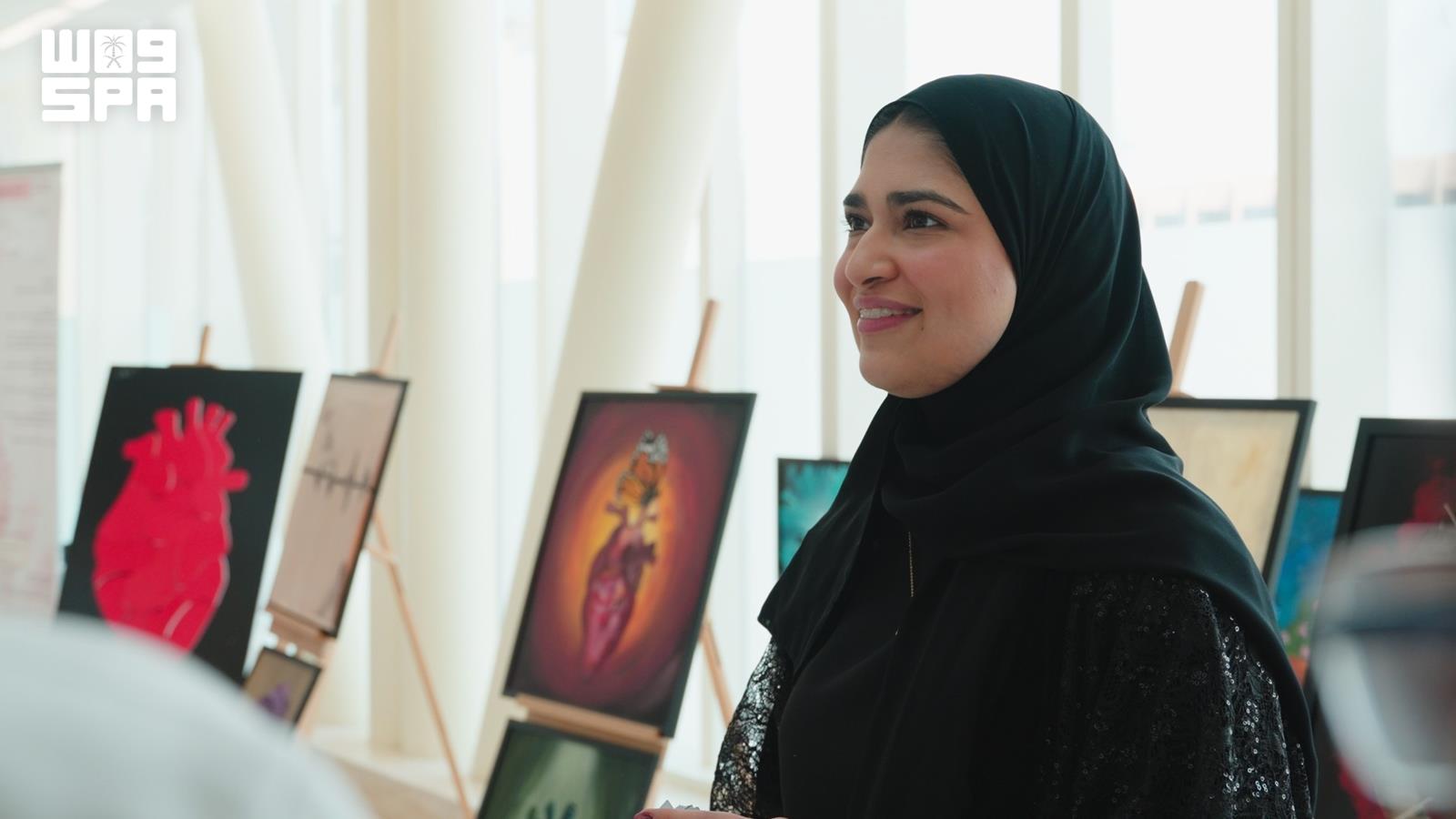
Following her recovery, Durrah returned to her usual activities, including studying, art, sports, and travel. She affirmed that early genetic screening and ongoing medical care were key to saving her life and restoring her daily routine.