
Saudi Arabia offers $1 trillion in infrastructure investment opportunities
Economy Minister Faisal Al-Ibrahim says Saudi Arabia will offer $1 trillion in infrastructure investment over the next decade as economic diversification continues.
Key Takeaways
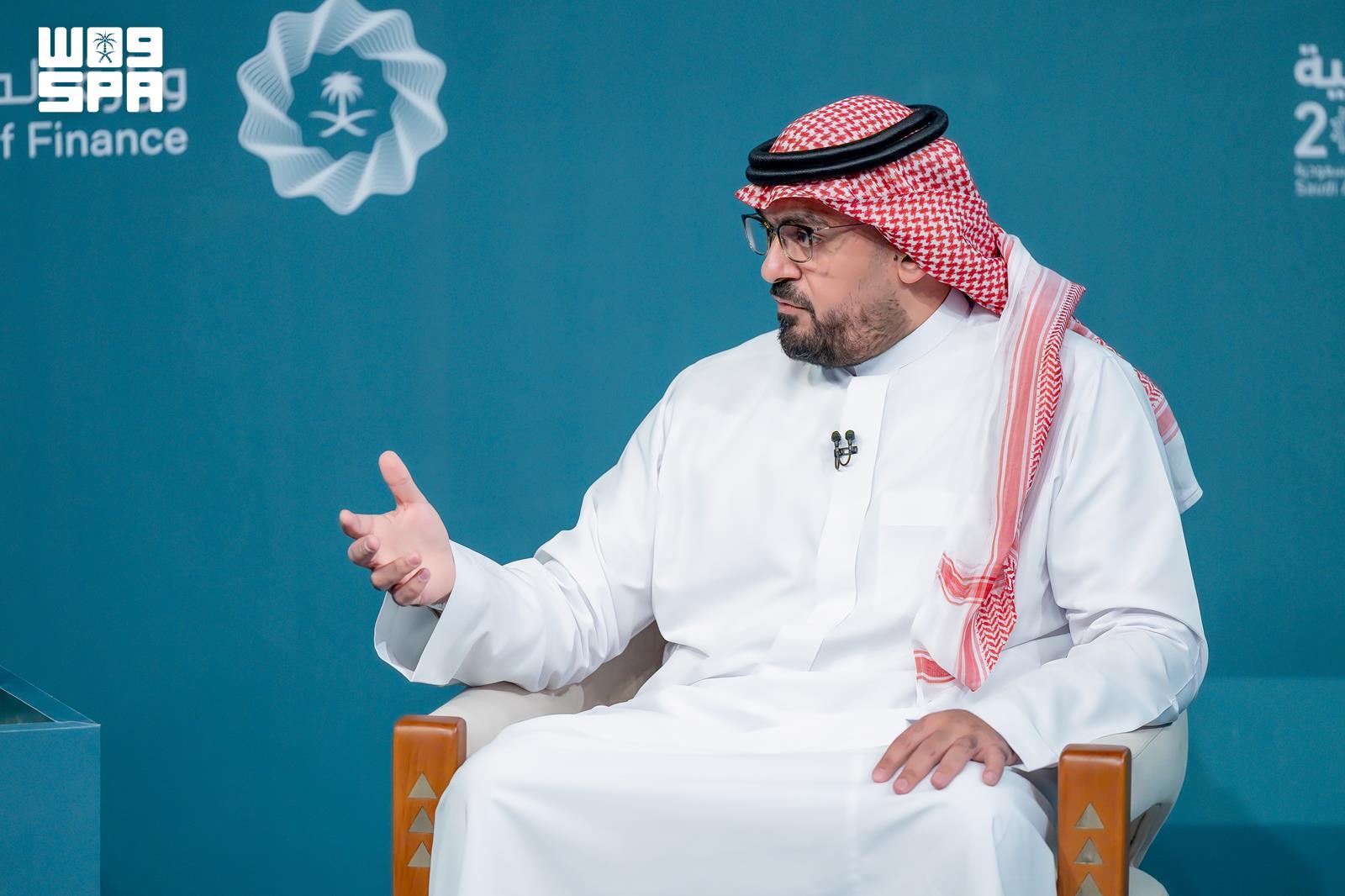
AIEconomy and Planning Minister Faisal Al-Ibrahim said Saudi Arabia’s economy has demonstrated operational and structural resilience in the face of challenges, thanks to reforms launched under Vision 2030.
Speaking at the “Sustainable Economy” session during the Budget Forum 2027, Al-Ibrahim noted that reliance on oil in the national economy dropped from 70% in 2019 to 61% in 2024, with the downward trend continuing. He emphasized the importance of diversifying growth and income sources to boost investment, increase private sector participation, and create jobs.
He added that non-oil activities grew by 1.8% in the first three quarters of this year, reaching 1.9% in the third quarter. Non-oil growth is projected at 4.7% in 2027, with GDP expected to rise by 10.9% in 2027 and 3.8% in 2028.
Al-Ibrahim highlighted the energy sector’s ability to restore oil production to 10.6 million barrels per day, with oil exports reaching 7.47 million barrels per day. The share of non-oil exports through Red Sea ports increased from 19% to 41%. Air cargo capacity in Riyadh also quickly rebounded following the events of October.
He stated that non-oil revenues now cover 36% of total government spending, up from 17% before Vision 2030, and Saudi Arabia has risen to 13th globally in foreign direct investment inflows.
Al-Ibrahim also noted a 2.7% increase in gross fixed capital formation in the second quarter. He outlined four factors enhancing Saudi Arabia’s appeal for quality investments: regional stability, long-term planning, strategic partnerships, and a strong domestic market, with the population now exceeding 35 million.
He discussed the importance of Gulf economic integration, with GCC economies totaling $2.4 trillion, and highlighted supporting projects such as the customs union, the Gulf railway, and rail links with Qatar.
Al-Ibrahim said Saudi Arabia’s investment environment is aligned with international standards, including the implementation of the global minimum tax’s second pillar and the signing of a free trade agreement between the GCC and the UK.
He revealed that Saudi Arabia has identified $1 trillion in infrastructure investment opportunities over the next eight to ten years, based on a two-year study, amid growing international interest in investing in the Kingdom. He noted that globally managed infrastructure assets total $1.6 trillion, and the National Infrastructure Fund has committed 10.5 billion riyals (SAR) to projects worth 60 billion riyals, attracting at least four riyals of private investment for every government riyal.
He stressed the private sector’s key role in strengthening the national economy, citing 3.3% growth in financial, insurance, and business services, and 4.1% growth in social and personal services in the second quarter. The number of Saudis working in the private sector increased by about 190,000 over the past year.
Al-Ibrahim added that optimal use of government resources will create more opportunities for the private sector to achieve national targets, with further growth in its contribution expected in the coming period.
He concluded that the ultimate goal of enhancing the structural resilience of the national economy is to grow household incomes alongside state revenues and their effective use. He emphasized Saudi Arabia’s role as a pillar of stability in the global economy, energy security, trade, and the movement of goods.