

Saudi Arabia views fight against human trafficking as global humanitarian mission, says rights chief
Saudi Human Rights Commission chief Hala Al-Tuwaijri says combating human trafficking is a core principle and humanitarian message for the Kingdom.
Key Takeaways
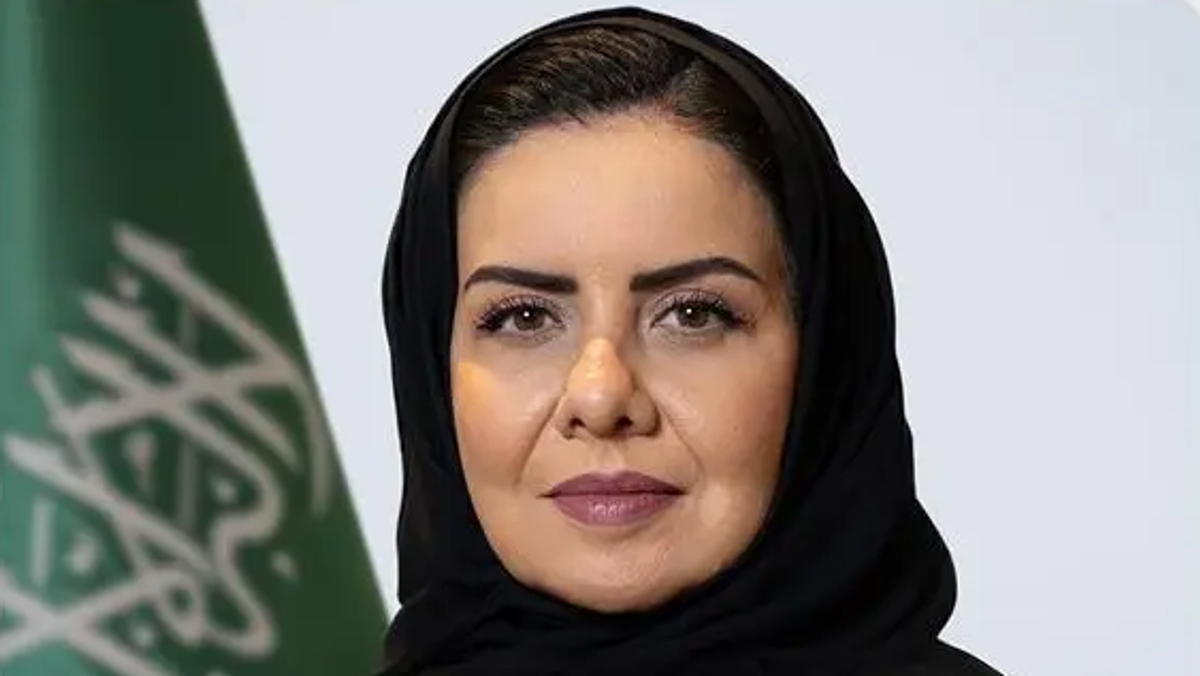
AIHala Al-Tuwaijri, President of the Human Rights Commission and Chair of the National Committee to Combat Human Trafficking, stated that Saudi Arabia regards the fight against human trafficking as a fundamental principle and a humanitarian message to the world. She emphasized the Kingdom’s comprehensive legislative and institutional framework, which is rapidly evolving to adopt best practices and strengthen protection for individuals and society from this crime and its consequences.
Al-Tuwaijri affirmed that, under the leadership of King Salman bin Abdulaziz Al Saud and Crown Prince Mohammed bin Salman bin Abdulaziz Al Saud, Prime Minister, Saudi Arabia has taken substantial and effective measures to combat human trafficking and pursue perpetrators, as part of the broader human rights reforms adopted by the Kingdom.
On the international level, Al-Tuwaijri, in a statement marking World Day Against Trafficking in Persons observed annually on July 30, highlighted the increasing rates of human trafficking amid global events and crises, noting that conflicts and disputes create fertile ground for trafficking practices and further complicate the situation.
She said: "Traffickers and criminal networks exploit human vulnerability and the absence of security oversight, increasing their exploitation of victims." Al-Tuwaijri stressed that online fraud is a rapidly growing form of human trafficking, with traffickers conducting large-scale scams and using cyberspace and advanced digital tools to expand their activities and exploit victims online.
Al-Tuwaijri confirmed that the Human Rights Commission and the National Committee to Combat Human Trafficking are making significant efforts to address all forms of trafficking, including raising awareness through media campaigns, building national capacity, and signing agreements to strengthen cooperation with specialized organizations. The most recent of these was the signing of a third-phase agreement with the International Organization for Migration and the United Nations Office on Drugs and Crime, aimed at enhancing anti-trafficking mechanisms in the Kingdom, building on progress made, and addressing emerging challenges. The committee also signed a memorandum of understanding with the Ibtisam Association to combat human trafficking.
It is noteworthy that Saudi Arabia places great importance on combating human trafficking and strives to keep pace with global developments in this crime by continuously developing its legislative and institutional frameworks. The Kingdom works to limit this crime, protect and assist victims, pursue perpetrators wherever they are, and strictly enforce the law, as human trafficking is considered one of the most degrading crimes against human dignity.