

Saturn opposition, meteor showers and lunar conjunctions to light up Saudi skies in October 2026
Saudi Arabia will witness Saturn’s opposition, meteor showers, and notable lunar conjunctions in October 2026, offering prime opportunities for skywatchers.
Key Takeaways
AIThe skies over Saudi Arabia in October 2026 will feature a series of remarkable astronomical events, including Saturn reaching opposition with the Sun, lunar conjunctions with Mars and Jupiter, and heightened meteor shower activity—providing astronomy enthusiasts with excellent viewing opportunities.
Majed Abu Zahira, head of the Jeddah Astronomical Society, explained that Saturn will reach opposition on October 4, when Earth will be positioned almost directly between Saturn and the Sun. Saturn will rise at sunset and remain visible throughout the night, at a distance of about 1.26 billion kilometers from Earth. The planet can be seen as a bright yellowish object with the naked eye, while small telescopes will reveal its rings and some of its moons, with the rings appearing especially open this year.
Lunar conjunctions with planets
Abu Zahira noted that the Moon will approach Mars on October 5, followed by a close approach to Jupiter on October 6. In some parts of the world, this may result in a lunar occultation of Jupiter, while other regions will witness a close conjunction depending on their geographic location.
He added that Mars will be seen among the stars of the Beehive Cluster (Praesepe) in the constellation Cancer from October 11 to 13, observable with binoculars or a small telescope. Its position will shift due to its orbital motion. Venus will also become increasingly visible in the dawn sky toward the end of the month, appearing low above the eastern to southeastern horizon.
Meteor showers and other night sky phenomena
Regarding meteor showers, Abu Zahira said the Draconids will be active from October 6 to 10, peaking on the night of October 8–9, with an expected rate of about five meteors per hour and favorable viewing conditions this year. The Southern Taurids, active from September to November, are known for producing bright fireballs, with their main peak in early November.
The Orionids will reach their peak on the night of October 21–22, with a theoretical maximum of up to 20 meteors per hour. However, moonlight may hinder the visibility of fainter meteors, making the final hours before dawn the best time for observation.
Dark nights will also allow for views of the constellation Pegasus, the Andromeda Galaxy—located about 2.5 million light-years away—and the Pleiades star cluster (the Seven Sisters), just over 400 light-years distant. The Milky Way will be visible from locations far from city lights.
Full moon and observation tips
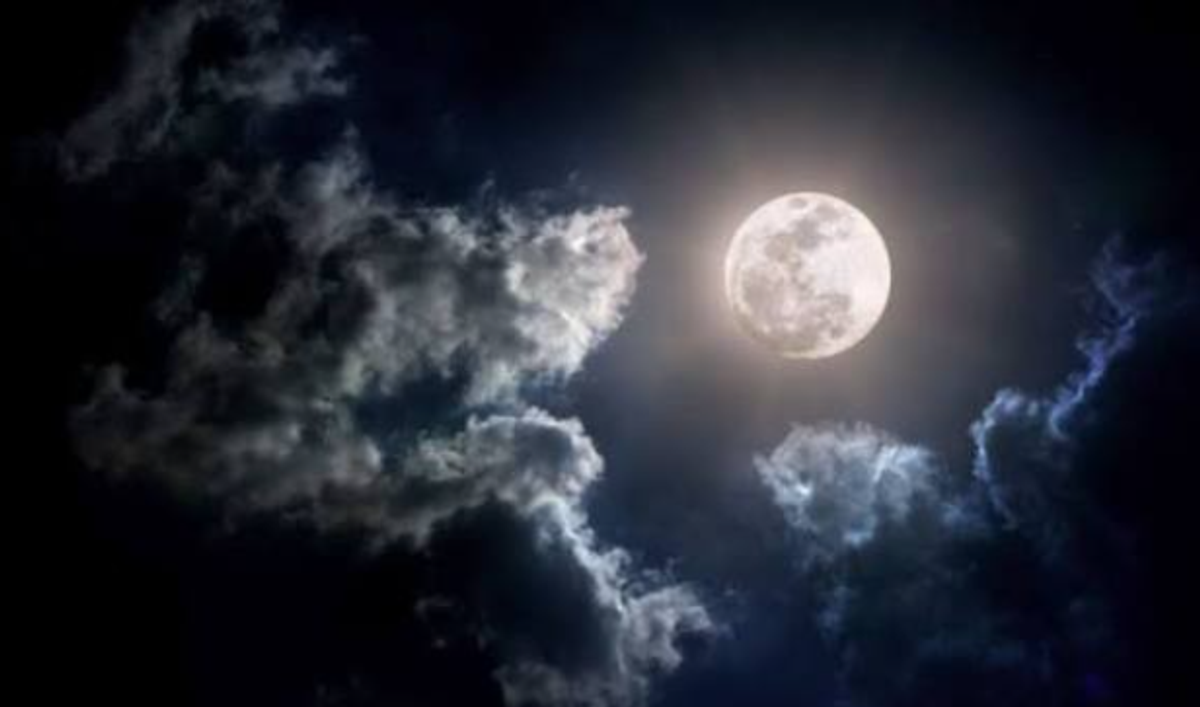
The full moon will occur on October 26 and is traditionally known as the "Hunter’s Moon," though this name does not indicate any physical change. Abu Zahira emphasized that most of these phenomena can be observed with the naked eye, provided observers choose a dark location with clear skies and allow about 20 minutes for their eyes to adjust to the darkness.