

King Abdulaziz Public Library unveils first English translation of Ibn Battuta’s travels
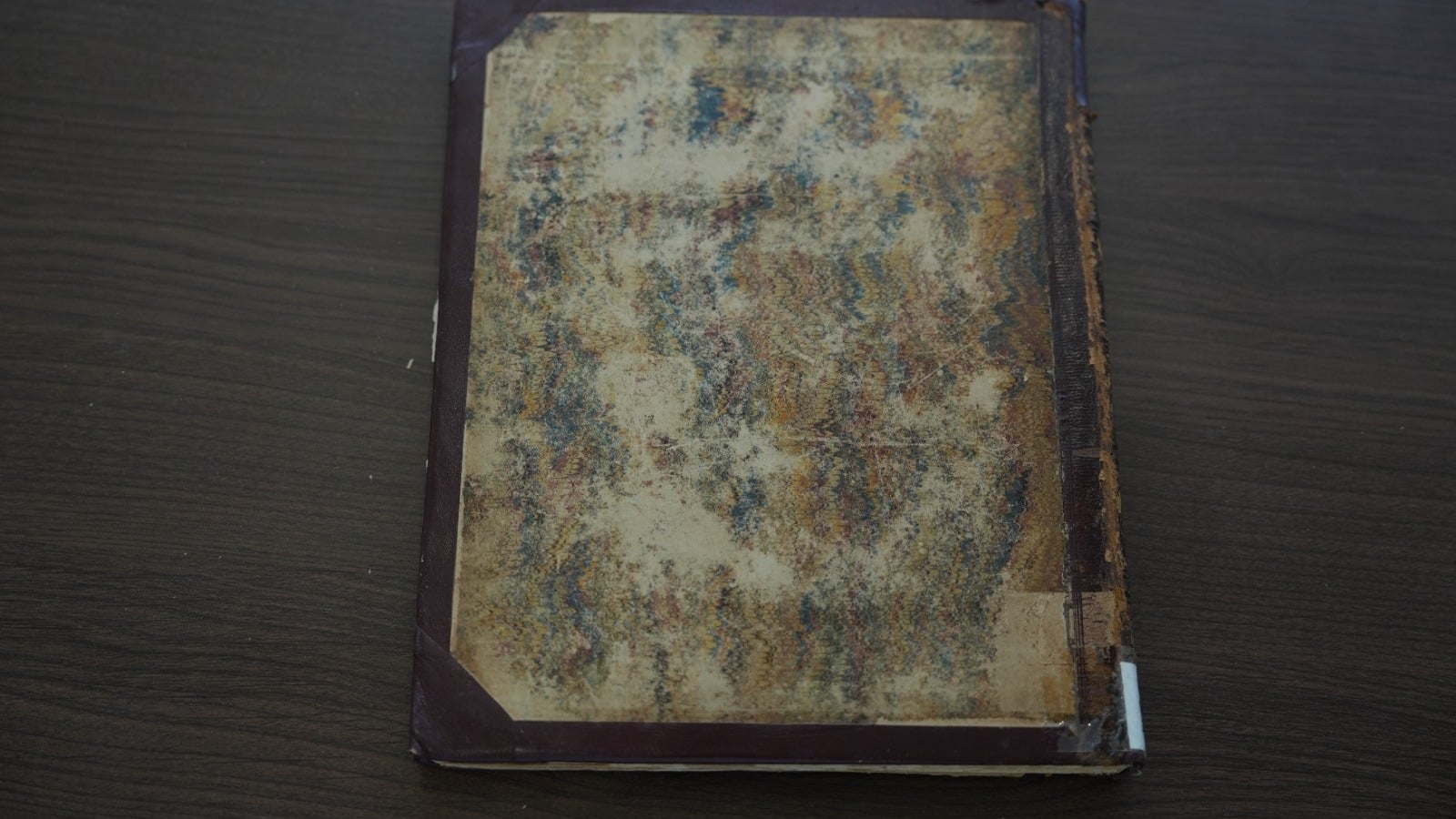
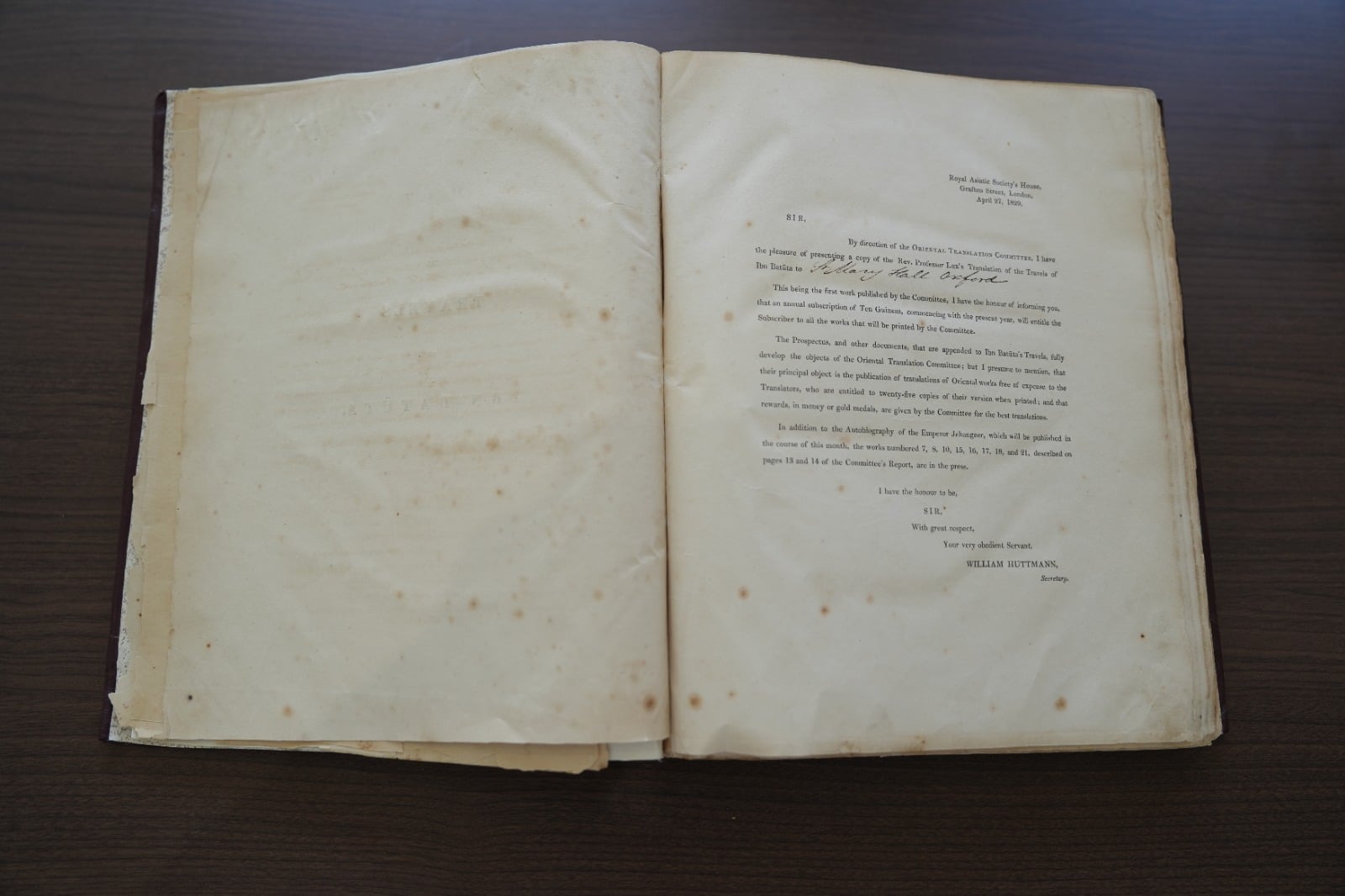
King Abdulaziz Public Library in Riyadh has acquired a rare 1829 edition of the first widely known English translation of Ibn Battuta’s journeys.
Key Takeaways
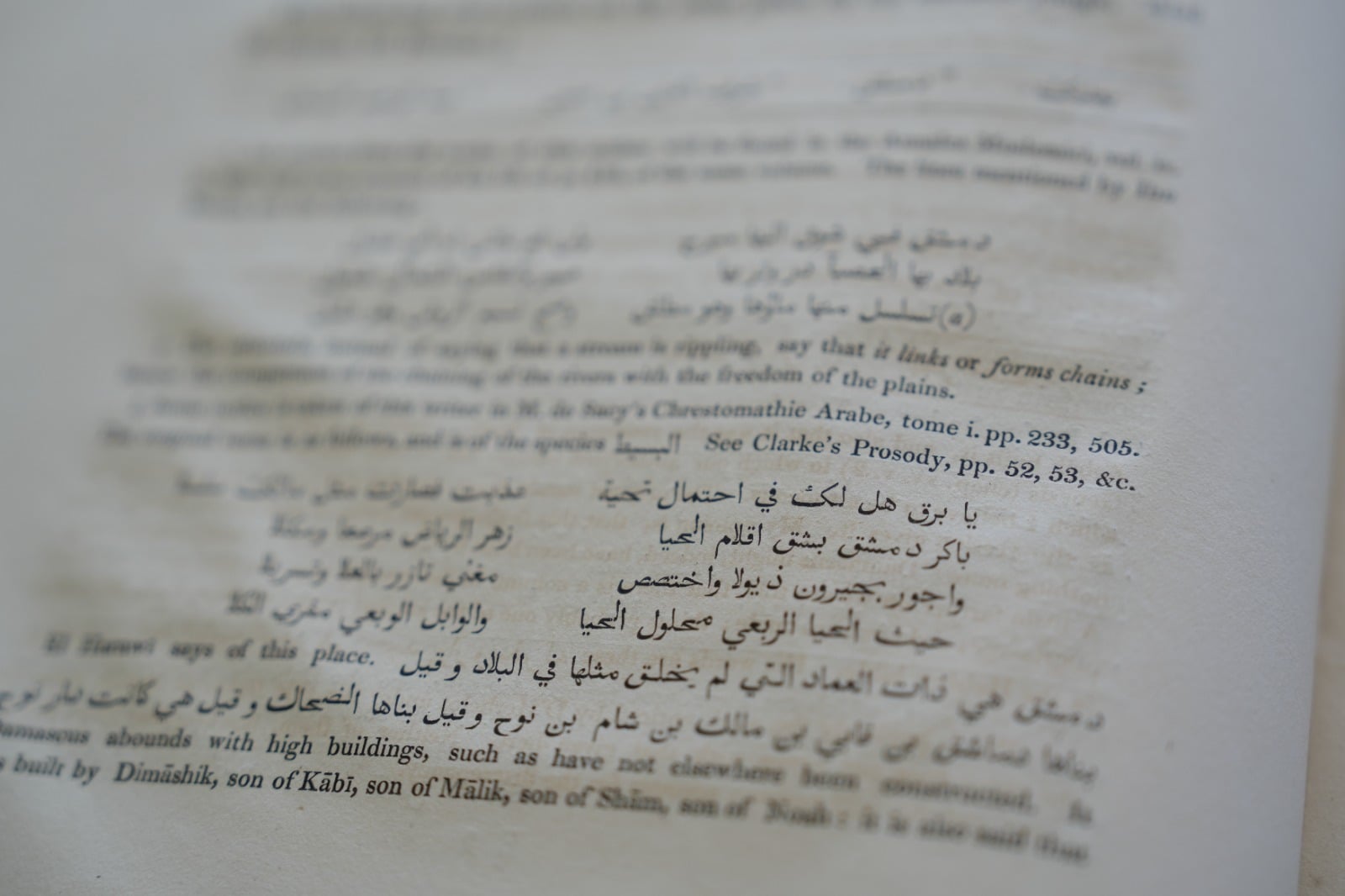
AIKing Abdulaziz Public Library in Riyadh has announced the acquisition of a rare copy of the first widely known printed English translation of Ibn Battuta’s travels, dating back 197 years to April 27, 1829. The translation was carried out by British orientalist and linguist Samuel Lee, who translated Ibn Battuta’s renowned work, Tuhfat al-Nuzzar fi Ghara’ib al-Amsar wa ‘Aja’ib al-Asfar, into English. Lee based his translation on an abridged Arabic manuscript preserved at the University of Cambridge Library, supplementing it with scholarly and historical commentary, as well as numerous explanatory footnotes on history, geography, cities, plants, antiquities, and notable figures. This translation marked a significant step in introducing European readers to the Muslim traveler Ibn Battuta’s observations from his journeys across the world.
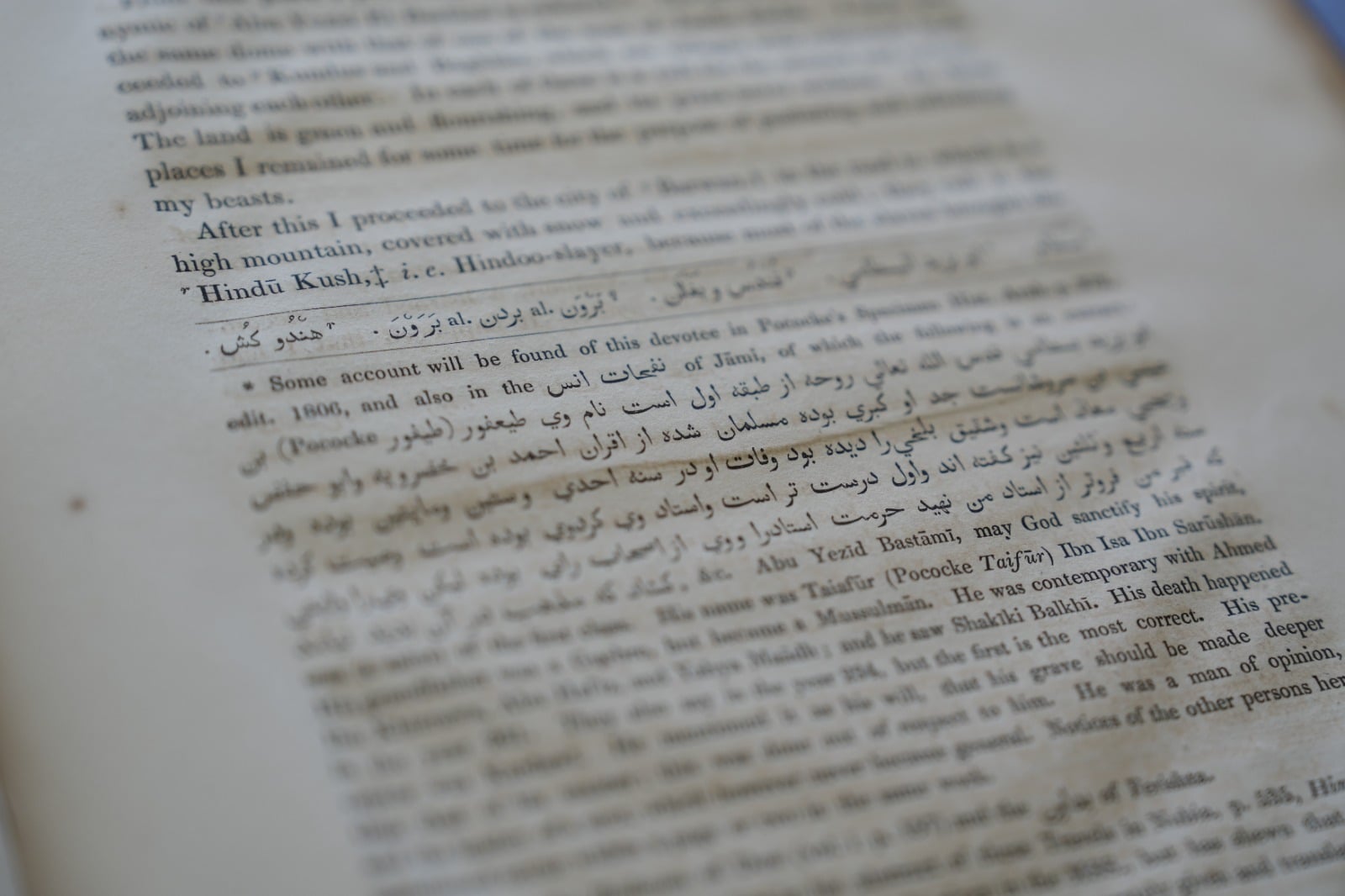
Detailed translation:
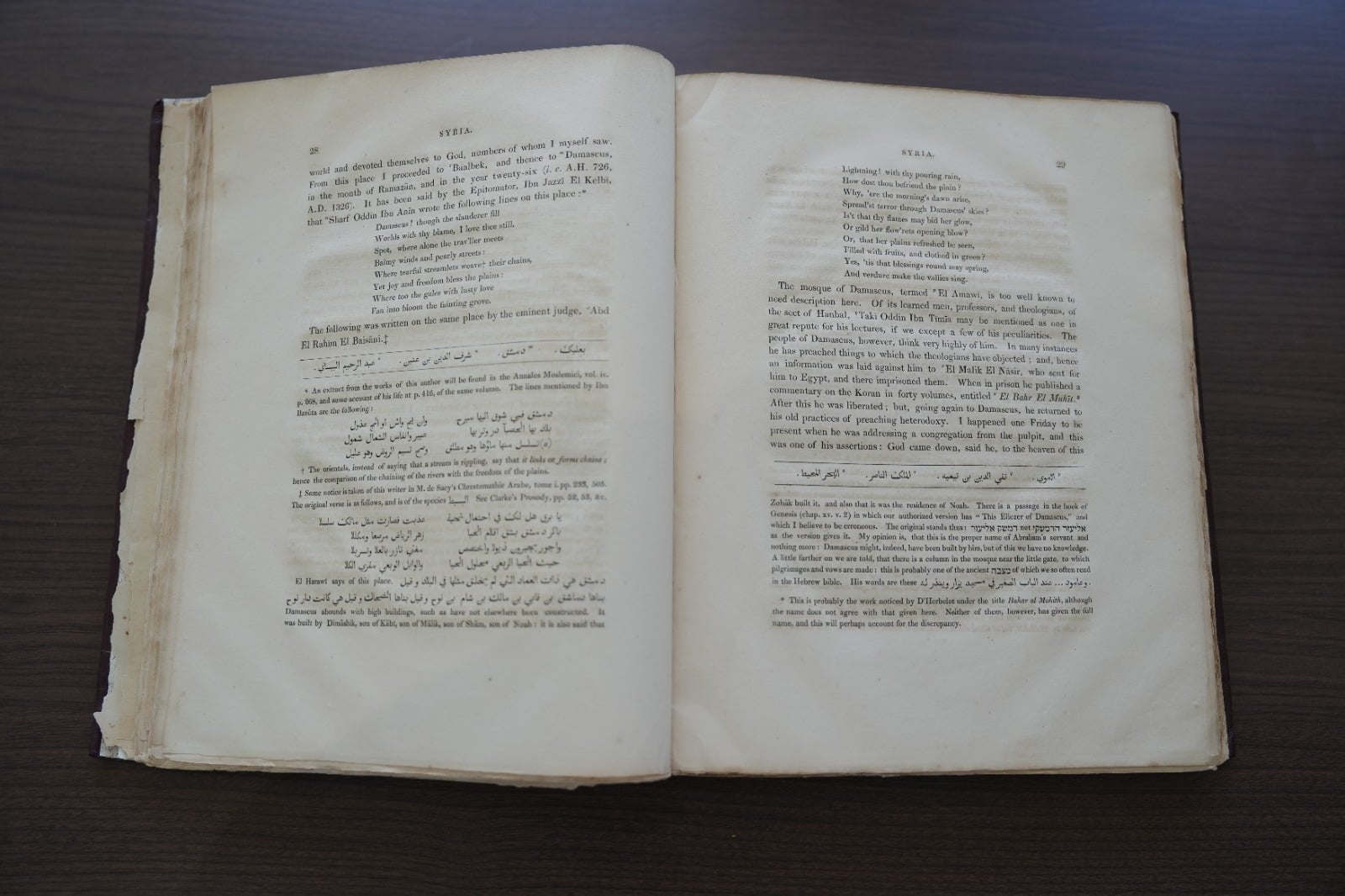
Samuel Lee’s translated book, The Travels of Ibn Batuta, spans 294 pages. In his introduction, Lee included many pages in Arabic, particularly in the footnotes, where he referenced several Arabic works such as Kholasat al-Akhbar, Al-Tabaqat al-Kubra, Al-Isharat fi Ma’rifat al-Ziyarat, Taqwim al-Buldan, Yatimat al-Dahr, Kholasat Tahqiq al-Zunun fi Sharh al-Matnun, and Marasid al-Ittila’ ‘ala Asma’ al-Amkina, among others. He also cited a large number of prominent Arab and Islamic scholars and historical figures, as well as various cities and countries.
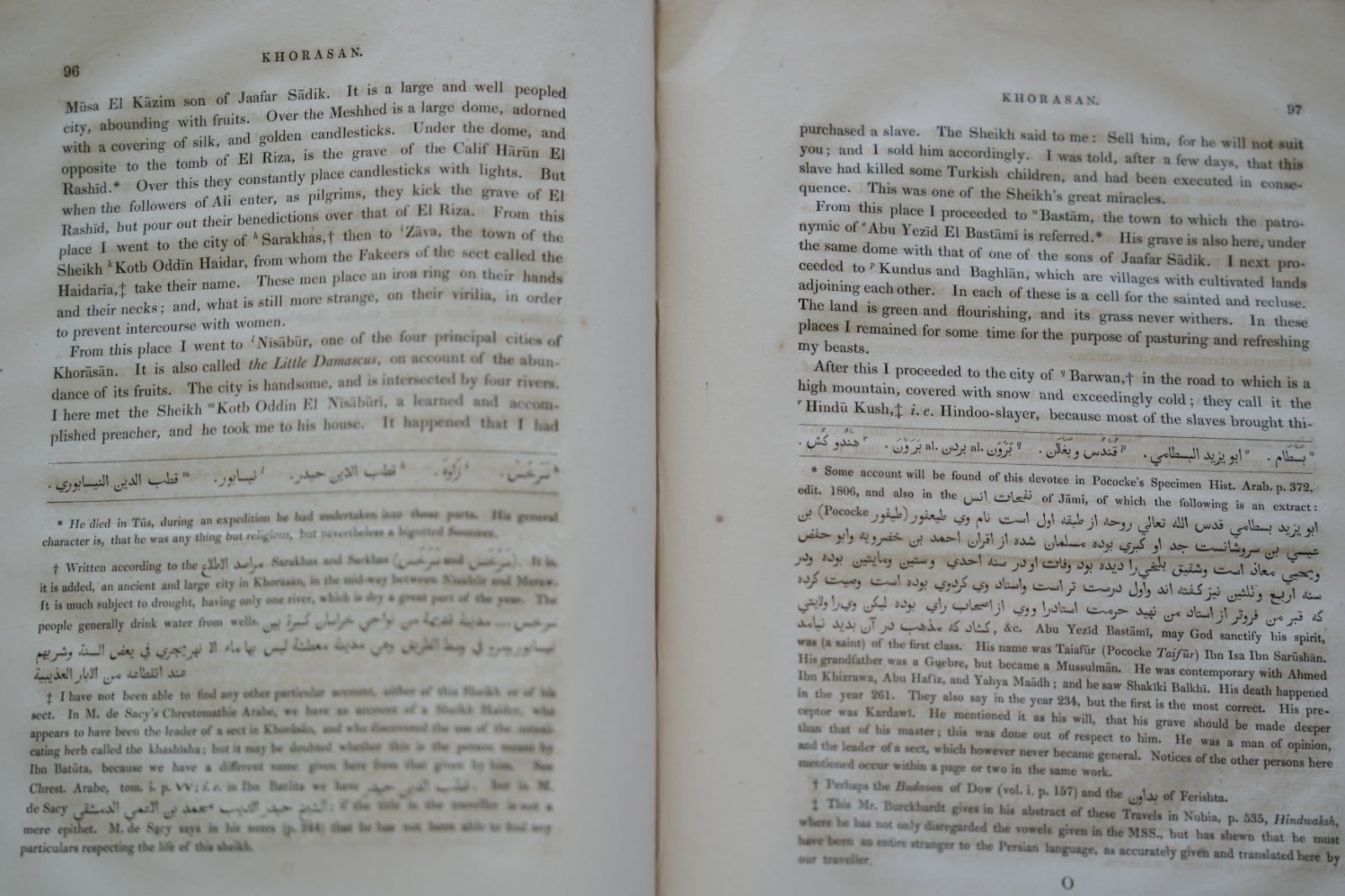
In the opening pages, Lee included an Arabic passage referencing the abridged manuscript, which reads: "In the name of God, the Most Gracious, the Most Merciful. Praise be to God, Lord of the Worlds. May God’s blessings be upon our master Muhammad and his family and companions. After this, the humble servant in need of his Lord’s pardon, Muhammad bin Fathallah al-Baylouni, says: This is what I have selected from the summary compiled by the learned scribe Muhammad bin Juzayy al-Kalbi, may God have mercy on him, from the journey of the jurist Abu Abdullah Muhammad bin Abdullah al-Lawati al-Tanji, known as Ibn Battuta." Lee divided this abridged version into 25 chapters, numbered using Roman numerals.
About Ibn Battuta’s book:
Ibn Battuta’s Tuhfat al-Nuzzar fi Ghara’ib al-Amsar wa ‘Aja’ib al-Asfar, also known as The Travels of Ibn Battuta, is among the most famous travel books in history. The work details his journeys, describing the people, rulers, scholars, clothing, foods, and customs of the lands he visited during 30 years of travel. The book was commissioned by Sultan Abu Inan al-Marini, who appointed the Andalusian scholar Ibn Juzayy al-Kalbi to record Ibn Battuta’s account in the city of Fez in 1355 CE (756 AH).
Ibn Battuta, whose full name is Muhammad bin Abdullah bin Muhammad bin Ibrahim al-Lawati al-Tanji, also known as Abu Abdullah, was born in 1304 CE (703 AH) and died in 1369 CE (770 AH). He was a renowned traveler and historian, earning the title "Prince of Muslim Travelers" from the Cambridge Society. Beginning his travels at age 21, he journeyed three times, visiting North and East Africa, the Arabian Peninsula, the Levant, the Near East, Andalusia, and West Africa.
It is worth noting that Ibn Battuta’s book has been translated into numerous languages, including Swedish, Portuguese, English, French, Italian, Spanish, Chinese, and German.