

Hajj minister highlights seven major reforms boosting pilgrim satisfaction to 93%
Saudi Hajj and Umrah Minister Tawfiq Al-Rabiah outlined seven key reforms that raised pilgrim satisfaction to 93% at the Hajj Conference in Jeddah.
Key Takeaways
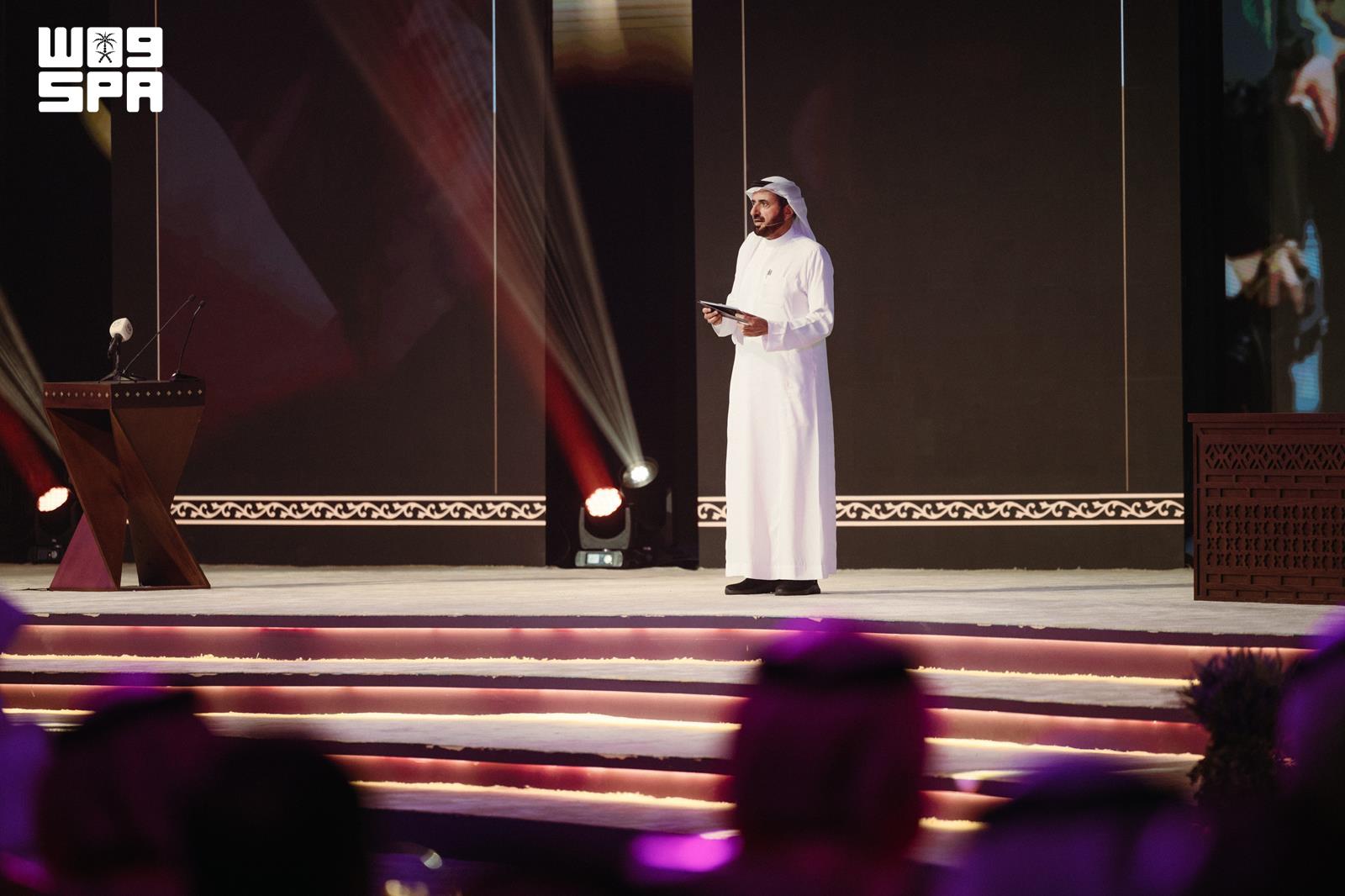
AIMinister of Hajj and Umrah and Chairman of the Guests of God Service Program Committee, Tawfiq Al-Rabiah, outlined seven major transformations in the Hajj and Umrah sector during the opening of the sixth Hajj Conference and Exhibition in Jeddah.
The reforms included opening up competition and developing the service market, expanding access to Hajj, early preparation for the season, upgrading holy sites and transport, digital transformation, streamlining travel and support services, and enriching the spiritual and cultural journey while enhancing services at the Two Holy Mosques.
Al-Rabiah emphasized that the shared goal of conference participants is to make it easier for Muslims worldwide to perform Hajj. He noted that since its launch in 2019 as part of Saudi Vision 2030 initiatives, the Guests of God Service Program has aimed to facilitate pilgrims’ journeys and improve services from planning to return.
He explained that opening up competition and developing the service market allowed Hajj missions to choose from 34 companies serving international pilgrims, with direct contracting now available in 58 countries, leading to improved service quality and more competitive pricing.
He noted that the direct Hajj program now covers pilgrims from 75 additional countries, bringing the total to 133. Early preparations for the season now begin on the 12th of Dhu al-Hijjah, with initial arrangement documents delivered to Hajj offices in 78 countries and contracts finalized four months before the season.
On developing holy sites and transport, Al-Rabiah highlighted the efforts of the Royal Commission for Makkah City and Holy Sites and its partners in upgrading transport projects and reducing travel times between sites.
He stated that the Nusuk platform and app have become an integrated digital gateway used by over 70 million Muslims worldwide, offering digital services such as the "Digital Mutawwif," with the digital system processing more than 4.4 billion transactions annually.
He added that the "Traveler Without Luggage" initiative handled around 2.9 million bags during the 1447 AH season, reducing airport processing times from two hours to 15 minutes. The number of qualified historical sites and enrichment destinations in Makkah and Madinah rose from 15 in 2022 to 102 by 2026.
Regarding services at the Two Holy Mosques, he noted that the capacity of Al-Rawdah Al-Sharifah increased from about 6 million visitors in 2022 to around 16 million by 2025.
Al-Rabiah stressed that these reforms were achieved with the support of Saudi leadership, oversight by the Supreme Hajj Committee, and continuous follow-up by Hajj and Umrah committees in Makkah and Madinah. He praised the role of the Deputy Governor of Makkah in overseeing the Hajj Projects Office, which includes more than 60 government and operational entities and has supervised over 600 work plans.
He explained that these efforts have improved the pilgrim experience, with satisfaction rates rising from 74% in 1443 AH to 93% in 1447 AH.
The Hajj Conference and Exhibition continues for four days, with participation from over 520 local and international entities from government, private, and non-profit sectors, and attendees from more than 150 countries. The event covers more than 67,000 square meters as part of Saudi Arabia’s efforts to prepare early for the Hajj season and enhance services for pilgrims.