

Um Al-Qura publishes new camel trading regulations in Saudi Arabia
Saudi Arabia's official gazette has released comprehensive new regulations governing the sale, purchase, leasing, and exchange of camels nationwide.
Key Takeaways
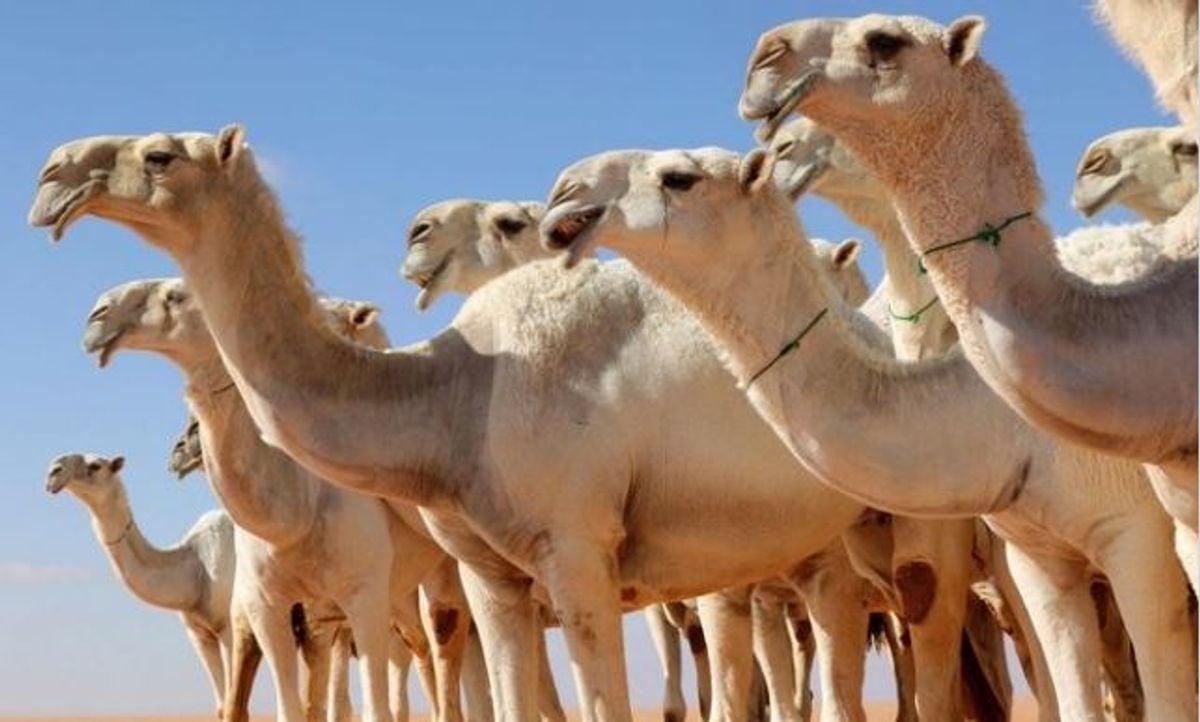
AISaudi Arabia’s official gazette, Um Al-Qura, published on Friday, September 25, 2026, the new regulatory framework for camel trading. The regulations provide a comprehensive structure for the sale, purchase, leasing, and exchange of camels in the Kingdom, aiming to strengthen ownership documentation, protect the rights of all parties, and reinforce animal health and camel welfare standards.
According to the gazette, the regulations are based on the Agriculture Law and its executive regulations, as well as the Animal Welfare Law for Gulf Cooperation Council countries and its executive regulations. They also reference procedural guides and official circulars governing camel registration and management through electronic platforms operated by the Ministry of Environment, Water and Agriculture.
The rules define key concepts related to camel trading, including camel owner, ownership certificate, camel identification, veterinary health certificate, sales contract, seasonal markets, auctions, leasing, and exchange. They also specify the role of the approved electronic platform in registering and managing camel data and ownership transfers.
The regulations apply to individuals and entities involved in the sale, purchase, and trading of camels, while observing the provisions of the Civil Transactions Law and other relevant regulations.
Regarding sales contracts, the regulations require mutual consent between parties and clear identification of the camels and price. The camels must be present and known to both parties, with essential details specified, such as type, breed, gender, name, weight, age, health status, color, and other relevant characteristics.
The regulations also include a template for camel data and specifications, covering the electronic chip serial number, passport number, ownership certificate, veterinary health card, as well as information on age, weight, health status, and productive and adaptive capabilities.
Sellers are required to take all necessary steps to transfer ownership, deliver camels in the agreed condition, guarantee there are no undisclosed third-party claims, and ensure against defects that reduce value or utility as stipulated. Sellers must also disclose any diseases, vaccinations, and obligations related to the camels.
Buyers, in turn, must pay the agreed price and bear the costs associated with payment, delivery, and registration unless otherwise agreed. After delivery, buyers are responsible for medical care, examinations, vaccinations, transportation, registration, and renewing identification chips or numbers.
The regulations also govern temporary camel auctions held outside public markets, requiring organizers to comply with ministry-issued conditions, transfer ownership according to official procedures, and prohibit the sale of camels that have not met approved vaccination programs.
It is also forbidden to display or sell camels showing signs of stress or illness, and such animals must be isolated. Electronic payment methods are mandatory, and all auction participants—including camel owners, cooperative societies, service providers, and transporters—must be registered.
The rules require documentation of auction transactions, including camel and owner details, sellers, buyers, sale prices, payment methods, and market and auction information, in addition to compliance with the ministry’s livestock transport guidelines.
For oversight, the regulations mandate daily and periodic inspections of shops, stalls, and pens, with documentation of visits and violations. Confiscated or unfit materials must be destroyed according to approved procedures, and a comprehensive report on auction activities must be submitted.
View the post on X