

Shoura Council issues decisions on economic zones, religious affairs and education
The Shoura Council, chaired by Mishaal Al-Sulami, held its seventh session and issued decisions on economic zones, religious affairs, and education.
Key Takeaways
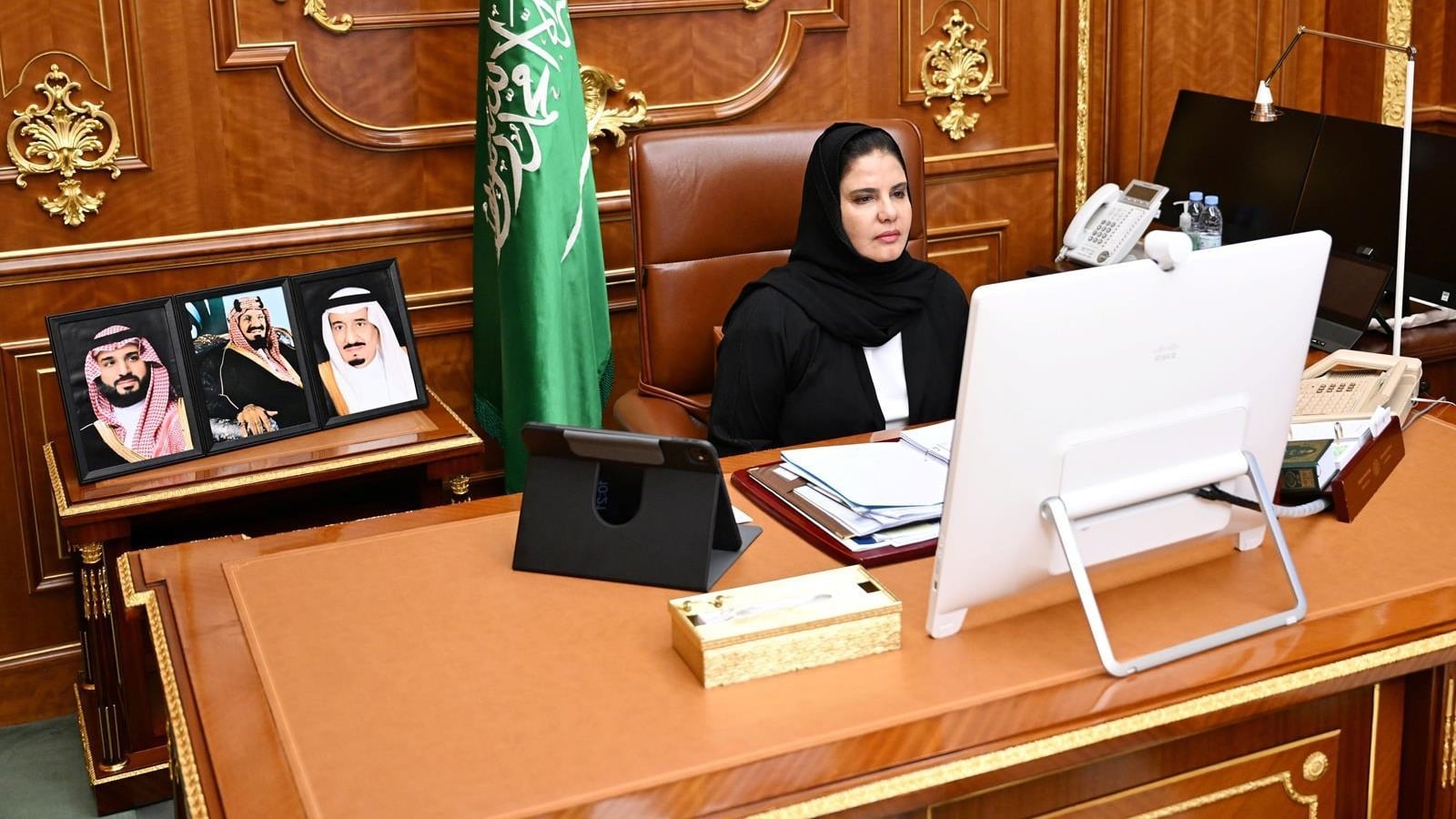
AIThe Shoura Council held its seventh regular session of the third year of its ninth term today via video conference, chaired by Deputy Chairman Mishaal bin Fahm Al-Sulami.
The council reviewed its agenda and issued several decisions, including a call for the Special Economic Zones Center in Riyadh to complete the requirements for approving its permanent executive body and structure, and to move from the establishment phase to effective institutional implementation. The center was also urged to adopt participatory investment models and mechanisms with the private sector to finance, develop, and operate the special economic zones, supporting their financial sustainability.
In another decision, the council called on the Presidency for Religious Affairs at the Grand Mosque and the Prophet’s Mosque to develop its comprehensive strategic plan to achieve its objectives, expand partnerships with the private and non-profit sectors to advance initiatives, and enhance governance of interactive technology initiatives to ensure information accuracy and translation quality.
The council also urged the King Salman Park Foundation to expedite completion of the park’s comprehensive operational plan, including governance, operational and financial models, and performance indicators. The foundation was asked to finalize an integrated regulatory framework for managing multi-ownership and multi-use real estate components, align cash flows with needs and implementation plans, and prepare a comprehensive workforce plan.
On education, the council called on Umm Al-Qura University to include returns from its investments in Wadi Makkah Technology Company as part of its self-generated resources, enhance the effectiveness of scientific chairs, and differentiate its branch colleges and programs from the main campus. Jazan University was urged to develop a plan to address student academic achievement challenges and graduate employment rates, and to complete the localization of academic positions at the lecturer rank. Jeddah University was called on to boost its competitiveness in global rankings, improve the operational model of its branches, and study the establishment of a teaching hospital in partnership with the private sector.
The council also discussed the annual report of the Fund for Martyrs, the Injured, Prisoners, and the Missing, with members offering comments and the Security and Military Committee requesting more time to study the proposals. The annual report of the World Tourism Academy was also reviewed, with members recommending enhanced coordination with relevant bodies to develop programs, align specializations with the tourism labor market, utilize technological solutions, and collaborate with Saudi universities and research centers. The Culture and Tourism Committee also requested additional time to study the submitted proposals.