

Saudi ardha: traditional dance embodies national pride and unity
Once a battlefield tradition, the Saudi ardha has become a powerful symbol of national identity and unity, celebrated at major occasions across the Kingdom.
Key Takeaways
AIFrom the fields of valor to a symbol of national identity, the Saudi ardha emerged from a martial heritage that embodied courage and bravery. Today, it holds a prominent place in the national consciousness as one of the Kingdom’s most significant cultural symbols.
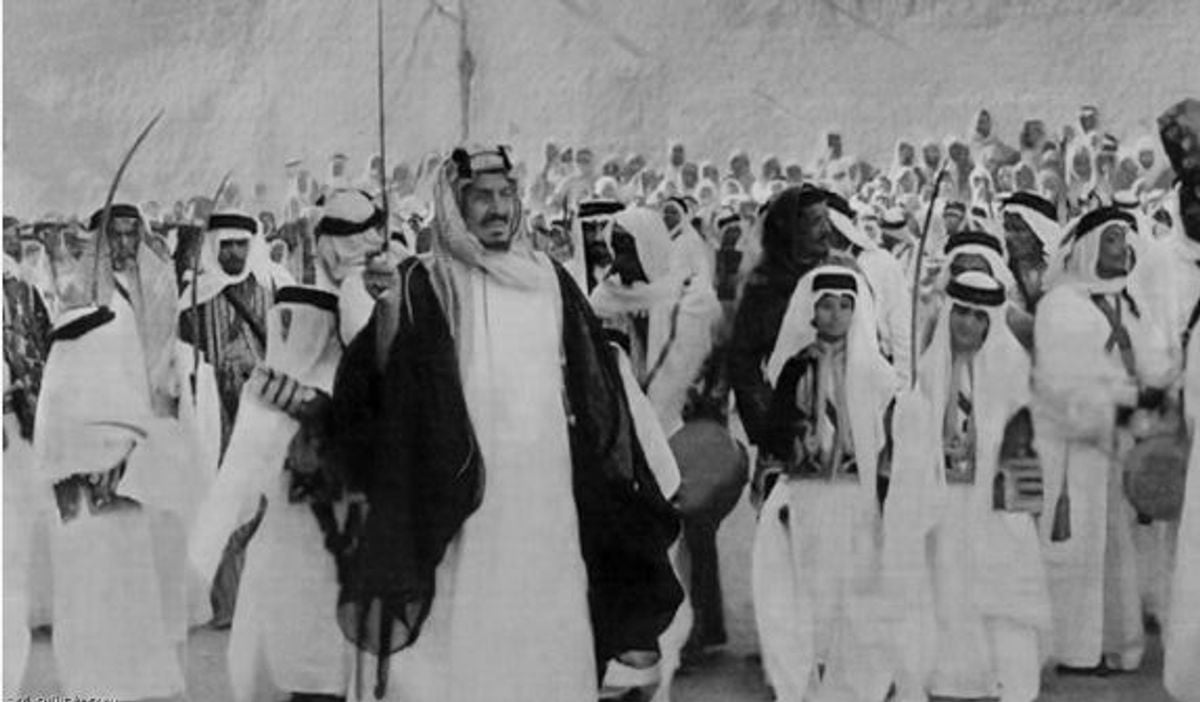
During the reign of King Abdulaziz, the ardha established itself as a key feature of national celebrations. The late king was keen to organize and participate in the dance alongside his people. The King Abdulaziz Foundation documents several historical moments, including the ardha being performed in front of his royal palace in Makkah on the second day of Eid Al-Fitr in 1349 AH (1931 CE) to mark the holiday.
The ardha became central to official festivities, led by princes carrying swords and rifles to the rhythm of poetry and patriotic chants. Historically, the Saudi ardha has symbolized victory, pride, and honor, reflecting the Kingdom’s history and achievements. It was once performed before battle to display strength and, in times of peace, as an expression of joy.
View the post on X