

Saudi meteorology shifts from manual observation to AI-driven systems
Saudi Arabia's meteorology sector has transitioned from manual measurements to advanced AI-powered digital systems, in line with Vision 2030 goals.
Key Takeaways
AISaudi Arabia's meteorology sector has undergone a major transformation over recent decades, moving from manual measurements and paper-based reports to an integrated digital system utilizing artificial intelligence, numerical models, and satellite technology. This shift aims to enhance the accuracy of weather forecasts and protect lives and property, aligning with the objectives of Vision 2030.
The Kingdom's meteorological journey began in the 1950s with basic observation stations at major airports and traditional measuring devices. Over time, the sector evolved through several institutional stages, including the establishment of specialized directorates and departments. This culminated in the creation of the Meteorology Department, later renamed the Meteorology and Environmental Protection Administration in 1981, to meet the growing needs of civil aviation and air navigation.
Digital transformation and institutional development
As air traffic expanded and development demands increased, the Meteorology and Environmental Protection Administration became the first specialized government entity in the Kingdom. It established observation stations, collected climate data, and prepared weather bulletins, while also strengthening environmental monitoring. In 2001, it became the Presidency of Meteorology and Environmental Protection, during which time the Kingdom expanded its observation network, upgraded measuring devices, introduced early warning systems, and collaborated with international organizations, all contributing to improved weather forecasting capabilities.
In 2016, the transformation of the presidency into the General Authority of Meteorology and Environmental Protection marked a significant milestone. Digital monitoring services expanded, electronic services were launched, climate data was integrated into advanced digital networks, and databases and numerical models were developed. The processes of analysis and weather bulletin issuance were also automated.
Establishment of the National Center for Meteorology
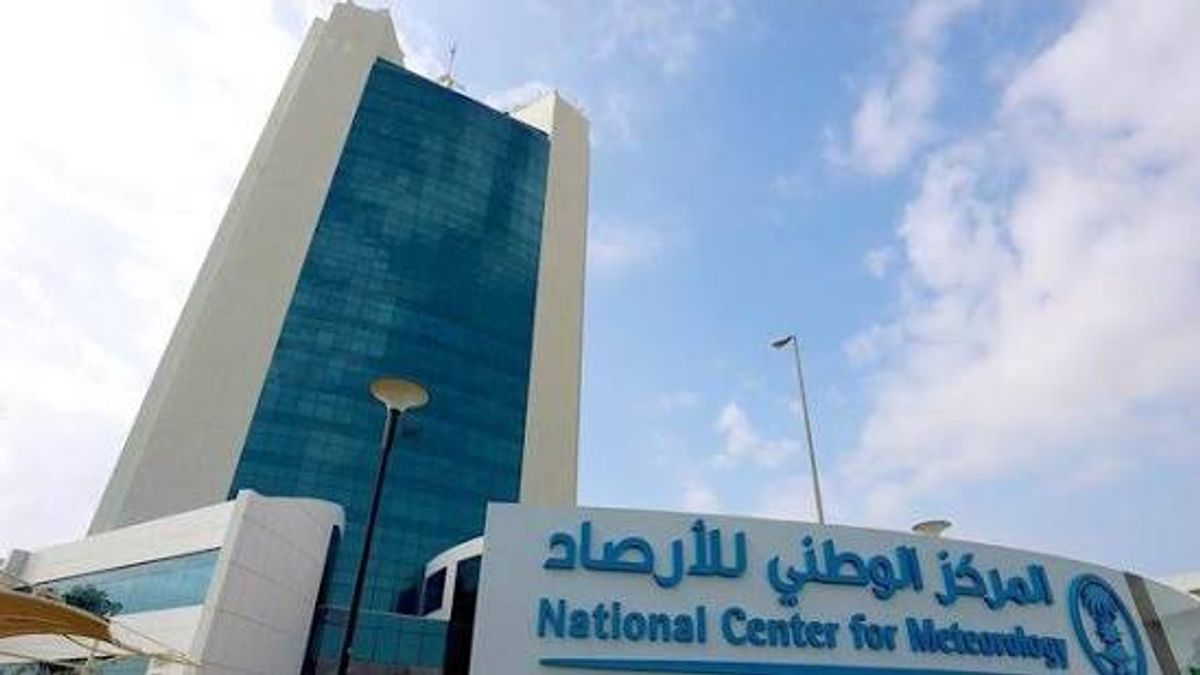
With the Cabinet's 2019 decision to establish the National Center for Meteorology, the Kingdom entered a new phase of institutional and technological development. The center focuses on building an advanced digital system that includes an extensive network of automated observation stations, weather radars, marine and atmospheric monitoring stations, and leverages global satellite data and high-resolution numerical models to deliver more accurate forecasts.
The National Center for Meteorology exemplifies national transformation, leading the shift from manual observation to the adoption of artificial intelligence technologies, high-performance computing, and big data analysis. This has improved the accuracy and speed of weather warnings and provided vital climate information to key sectors.
Cloud seeding and technological innovation
The cloud seeding program stands out as one of the most significant technological advances in Saudi meteorology. It combines meteorological science, aviation, digital technologies, and artificial intelligence to increase rainfall and enhance water resources. The program relies on precise analysis of weather conditions using satellite data, radars, and numerical models, and conducts aerial missions with aircraft equipped to release environmentally friendly materials that stimulate water vapor condensation.
Similarly, artificial intelligence technologies have enabled real-time analysis of meteorological data and identification of optimal locations and timings for cloud seeding operations, increasing the program's efficiency and maximizing its benefits.
Supporting development and sustainability
Saudi meteorology continues to develop national models based on artificial intelligence and machine learning, strengthening the Kingdom's independence in producing high-accuracy weather forecasts. Climate data plays a key role in supporting aviation, agriculture, energy, water management, tourism, civil defense, resource planning, and addressing the impacts of climate change.
The Kingdom has become an active regional and international player in meteorology, participating in global initiatives and programs, and developing its infrastructure according to best international practices. This enhances its leadership in meteorological and climate sciences, supports sustainable development, and helps protect lives and property.