

Mecca conference ends with over 200 Yemeni clerics backing legitimate government, urging end to Houthi coup
Yemeni scholars and preachers at a Mecca conference called for unity behind the legitimate government and issued 13 recommendations to counter the Houthi coup.
Key Takeaways
AIYemeni scholars and preachers have emphasized the need to rally around the country's legitimate institutions and support efforts to restore state authority and end the Houthi militia coup. They warned against the Houthi project, which they said threatens Yemen's Islamic and national identity, unity, security, and stability. The scholars also stressed the importance of unity, strengthening the role of religious leaders in combating extremist ideology, and protecting society from the dangers of extremism and terrorism.
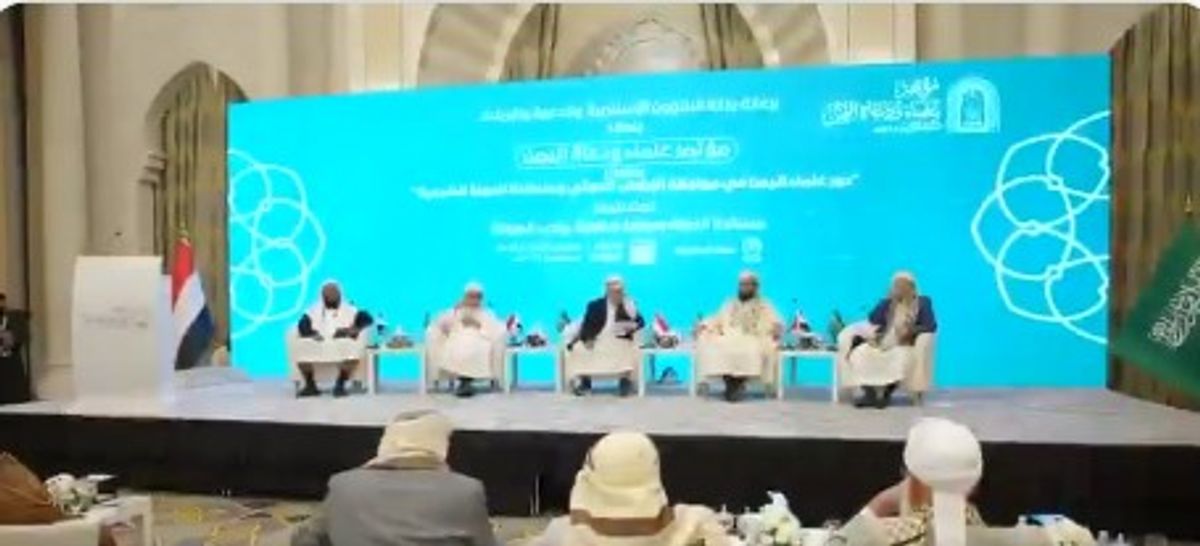
These statements came in the final communiqué of the Yemeni Scholars and Preachers Conference, which concluded today in Mecca under the patronage of Saudi Arabia's Ministry of Islamic Affairs, Dawah and Guidance. Held under the slogan "Supporting the State and Protecting Identity: The Duty of the Hour," the conference brought together more than 200 scholars and preachers from various Yemeni religious groups and schools of thought. The conference issued 13 recommendations focusing on backing the legitimate government, safeguarding Islamic and national identity, confronting the Houthi project, and strengthening Yemeni unity.
The statement underscored that the existence and stability of state institutions are essential for preserving religion, life, property, and honor, as well as for ensuring security and preventing chaos. It called for supporting the legitimate state institutions and uniting scientific, intellectual, religious, and media efforts to counter Houthi ideology and protect society from extremist ideas, while confronting attempts to undermine Yemen's religious and national identity.
The scholars warned of the dangers posed by the Houthi project to Yemen's religious beliefs, identity, and national unity. They urged resistance to attempts to alter school curricula, undermine Islamic doctrine, and diminish the status of the Prophet's companions. The statement called for strengthening educational programs that protect youth, reinforce correct beliefs, and promote moderation.
The communiqué highlighted the importance of documenting violations committed by the Houthi militias against scholars, mosques, Quran memorization schools, and religious institutions. It called for bringing these abuses to the attention of scientific bodies and international Islamic forums, and exposing attacks targeting the mission and identity of religious and educational institutions.
On humanitarian issues, participants called for mobilizing official and popular efforts to lift the Houthi siege on Taiz and end the suffering of its residents. They stressed that supporting the oppressed and alleviating their hardship is both a religious and humanitarian duty, and that protecting civilians and safeguarding their rights requires collective action.
Yemeni scholars and preachers condemned Houthi attacks targeting Saudi Arabia, its citizens, and residents, as well as civilian sites and vital facilities in both countries. They also denounced any assault on Mecca and Medina, affirming the sanctity of Islamic holy sites and stating that Saudi Arabia's security is integral to Yemen's security, and any threat to the Kingdom is a threat to regional stability.
The statement called on Muslim scholars, their organizations, and scientific bodies to expose Houthi crimes and warn against the dangers of their project. It urged the Muslim community to recognize the risks of using religion and sectarianism to justify terrorism and extremism, emphasizing the sanctity of life, property, and honor, and rejecting attacks on civilians and public or private property.
Participants condemned the misuse of religious edicts to serve the Houthi militias and justify their crimes. They praised the positions of Yemeni scholars, especially the Association of Yemeni Scholars, for speaking out in support of the legitimate government and confronting the Houthi project. The statement urged neutral scholars to fulfill their religious and scholarly responsibilities and to speak the truth.
The statement also called on the Yemeni people, scholars, and preachers to prioritize national interests, unite ranks, reject division and conflict, and place Yemen's interests above narrow considerations, in order to strengthen national cohesion and help restore state institutions and build a secure, unified, and stable Yemen.
Yemeni scholars and preachers expressed appreciation for Saudi Arabia's historic and honorable positions, under the leadership of King Salman bin Abdulaziz and Crown Prince Mohammed bin Salman, in supporting Yemen, its legitimate government, and people, and confronting the Houthi coup. They also commended the Kingdom's efforts to support scientific and religious institutions, promote moderation, and combat extremism and terrorism.
Participants extended their gratitude to Saudi Minister of Islamic Affairs, Dawah and Guidance, Sheikh Abdullatif bin Abdulaziz Al-Sheikh, for his efforts in fostering communication with Yemeni scholars, enhancing scientific and religious cooperation, and supporting initiatives to protect Yemen's Islamic and national identity, expose Houthi practices, and counter extremist ideas. They highlighted the ministry's important role in uniting scholars and coordinating their efforts to serve the Muslim community and promote moderation.
The statement also praised President Rashad Mohammed Al-Alimi, Chairman of Yemen's Presidential Leadership Council, for his efforts to restore state institutions, his call for general mobilization, and the launch of "Fajr Yemen" to liberate Sanaa and end the Iran-backed Houthi coup.
Participants commended Yemeni Minister of Endowments and Guidance, Sheikh Turki bin Abdullah Al-Wadayi, for his role in safeguarding Yemen's religious identity and mobilizing scholars and preachers to support the legitimate government and protect society from extremist Houthi ideology.
In conclusion, the scholars and preachers stated that the current period places great responsibilities on religious leaders, requiring them to fulfill their scholarly duties, offer sincere advice, promote unity, protect society and its identity, confront extremism and terrorism, and support the legitimate government and its institutions. They prayed for an end to Yemeni bloodshed, unity among Yemenis, the return of security and stability to Yemen, and the continued safety and prosperity of Saudi Arabia and its leadership.
The conference was held as part of efforts to unify the stance of Yemeni scholars and preachers in supporting the legitimate government and armed forces to restore state institutions, strengthen their role in protecting Yemen's Islamic and national identity from erasure, reject division and discord, and highlight Saudi Arabia's efforts to support Yemen's legitimate government, promote moderation, and counter extremism and radicalism through reasoned discourse.