

GCC chief: UK-Gulf ties rooted in long history of trust and cooperation
GCC Secretary-General Jasem Albudaiwi highlights deep economic and trade ties with the UK, calling for further partnership amid global economic shifts.
Key Takeaways
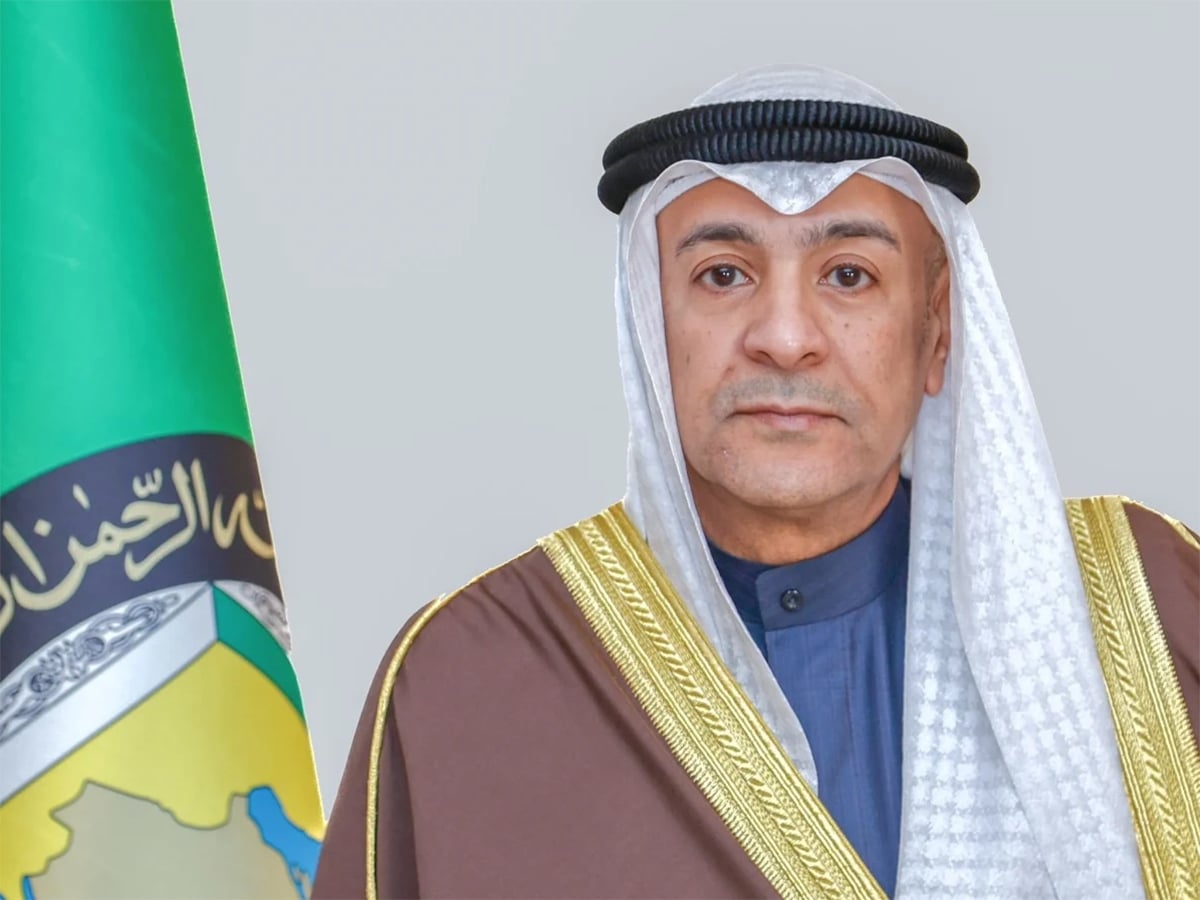
AIJasem Mohammed Albudaiwi, Secretary-General of the Gulf Cooperation Council, said that relations between the GCC and the United Kingdom are built on a long history of cooperation, trust, and shared interests, which have fostered a strong economic and trade partnership. He emphasized the importance of further developing these ties in light of global economic changes, geopolitical developments, and challenges related to trade, investment, and supply chains.
Albudaiwi made these remarks during his speech at the GCC-UK Economic Forum, held on Tuesday in London, attended by ministers, officials, business leaders, and investors from both sides.
The Secretary-General noted that the partnership brings together the ambitious development visions of GCC countries and British expertise in key sectors. He highlighted ongoing GCC efforts to boost economic integration, diversify production bases, improve business environments, and empower the private sector.
Trade and investment indicators reflect the scale of this relationship: bilateral trade between the GCC and the UK reached around $70 billion in 2025, making the GCC collectively the UK’s tenth-largest trading partner. The total value of mutual investment assets and liabilities stood at about $643 billion in 2024.
On economic relations, Albudaiwi stressed that concluding negotiations on the GCC-UK Free Trade Agreement marks a strategic step to expand trade, encourage investment, and create new opportunities for the private sector. He noted that the agreement is the result of joint efforts and intensive negotiations, and he commended the negotiating teams and institutions involved.
The agreement includes eliminating tariffs on more than 99% of GCC exports to the UK market, supporting the growth of non-oil exports—especially in aluminum, fertilizers, and manufacturing—while also enhancing opportunities in logistics, re-export, and enabling small and medium-sized enterprises to expand and access the UK market.
Albudaiwi pointed out that the expected benefits go beyond increased trade, encompassing the building of long-term economic and investment partnerships in advanced manufacturing, the digital economy, artificial intelligence, clean energy, financial services, education, food security, and logistics. This will support joint investment, technology and knowledge transfer, and strengthen productive capacities.
The Secretary-General also reviewed GCC economic indicators, noting that the bloc’s combined GDP reached about $2.4 trillion, placing the GCC among the world’s top ten economies. Its foreign trade exceeded $1.8 trillion, ranking fifth globally.
He also highlighted progress in developing smart cities and sustainable urban growth, the adoption of artificial intelligence and Internet of Things technologies, and the strengthening of cybersecurity and the digital economy, all of which support economic growth and enhance the GCC’s global competitiveness.
These areas represent opportunities for further cooperation between the GCC and the UK, within a partnership rooted in a long history of cooperation, trust, and shared interests, aiming to expand trade and investment and strengthen economic ties.