

Over 23 million mangrove trees boost coastal sustainability in Jazan
Jazan’s mangrove forests offer a model for balancing environmental protection with the conservation of natural resources along the region’s coastline.
Key Takeaways
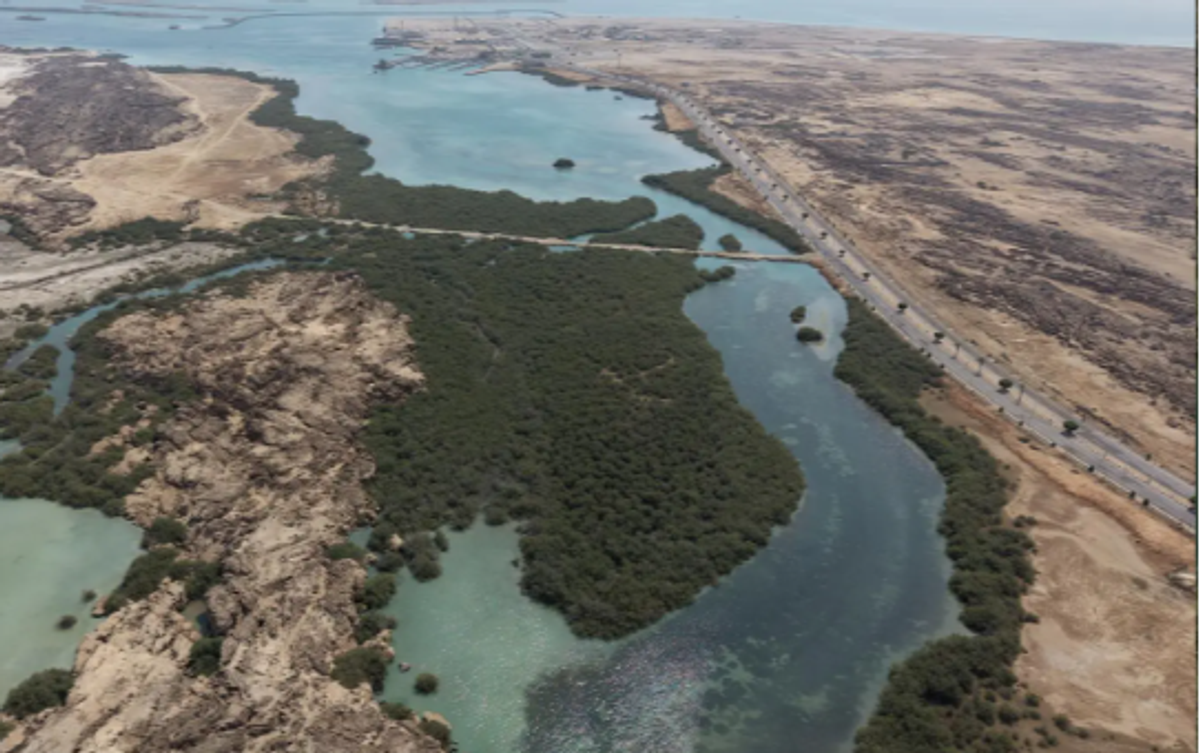
AIMangrove forests stretching along the Jazan coastline serve as a model for balancing environmental protection with the conservation of natural resources. These forests play a pivotal role in sustaining coastal ecosystems, highlighted by the International Day for the Conservation of the Mangrove Ecosystem, observed annually on July 26, underscoring the importance of this natural resource in addressing climate change and preserving biodiversity.
Efforts by the National Afforestation Program have resulted in the planting of more than 23 million mangrove trees along Jazan’s shores. This initiative is part of national efforts to expand vegetation cover, enhance coastal environmental protection, and improve ecosystem efficiency.
Mangrove trees provide multiple environmental benefits, including protecting coastlines from erosion, stabilizing soil, and reducing land degradation. Their high capacity to absorb and store carbon helps mitigate the effects of climate change and supports ecosystem sustainability.
Mangrove forests are also a natural habitat for many species and a refuge for migratory birds, which use them as resting and feeding stations during seasonal journeys. Additionally, they provide a nurturing environment for marine life and are an important food source, supporting fish reproduction and boosting fish stocks along the region’s coasts.
Saudi Arabia continues to expand and preserve mangrove forests through its environmental initiatives, recognizing their environmental and economic value, their role in achieving sustainability targets, expanding vegetation cover, and conserving natural resources for future generations.