

GCC-ASEAN economic integration key to boosting investment, says Al-Budaiwi
Jassem Al-Budaiwi said GCC-ASEAN economic integration is a strategic pillar for investment flows and partnerships, speaking at the Global Investment Forum in Doha.
Key Takeaways
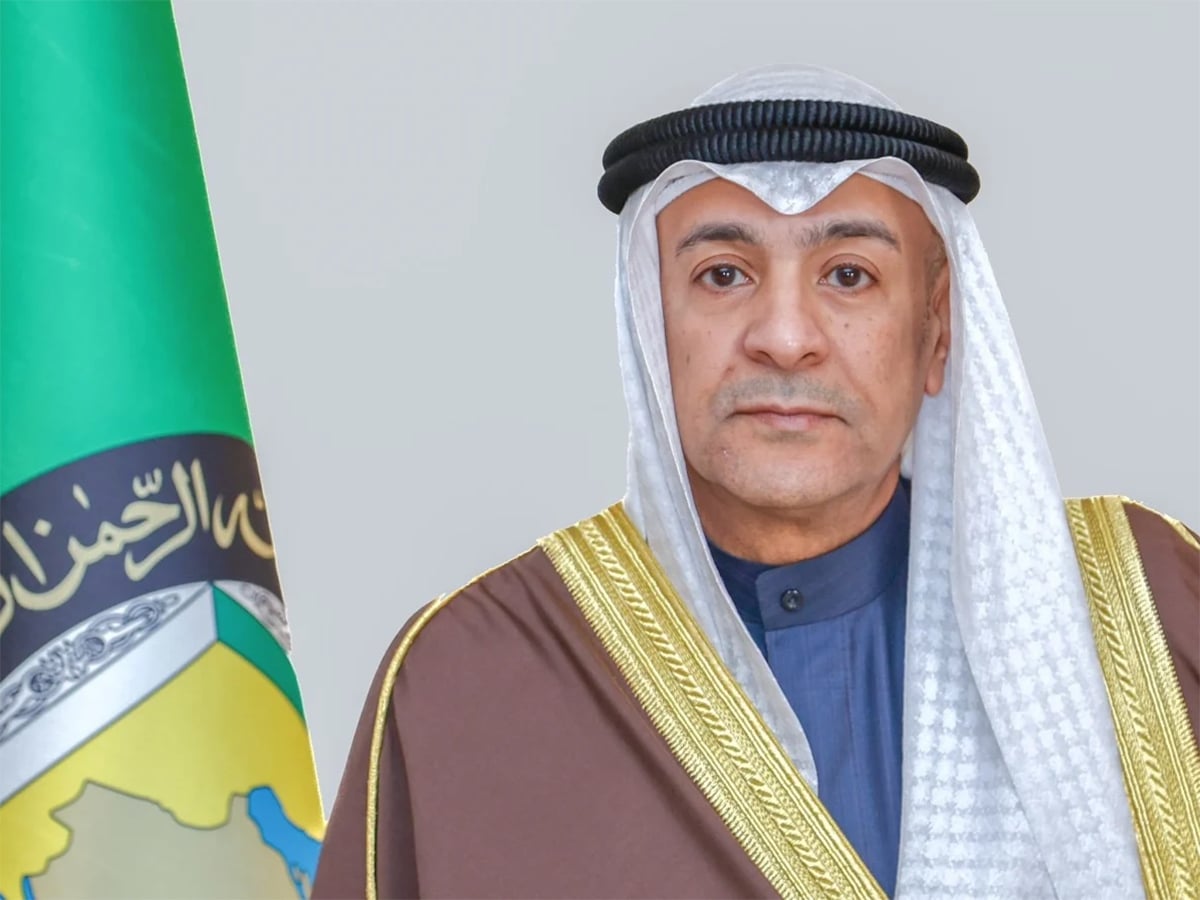
AIJassem Mohammed Al-Budaiwi, Secretary-General of the Gulf Cooperation Council (GCC), has emphasized that economic integration between the GCC and the Association of Southeast Asian Nations (ASEAN) is a strategic pillar for enhancing investment flows and building partnerships that support shared growth and prosperity.
Al-Budaiwi made these remarks during his participation in the ASEAN Dialogue Session on Regional Integration and Investment, held yesterday in Doha on the sidelines of the ninth Global Investment Forum (WIF2026), attended by several ministers and officials.
He explained that the global economy is undergoing rapid transformation due to geopolitical uncertainty, the restructuring of supply chains, and changing patterns of international investment, which underscores the importance of regional integration as a strategic option. This approach not only expands markets but also helps build more resilient, competitive economies that attract greater investment.
Al-Budaiwi noted that economic integration is a key foundation for development in GCC countries, which have made significant progress in establishing a customs union and a common Gulf market. These achievements have strengthened the region’s position as a global hub for trade, investment, energy, and logistics.
He added that GCC economies have become influential players on the international stage, with a combined GDP of nearly $2.4 trillion and merchandise trade approaching $1.8 trillion, reflecting the strength of the Gulf’s economic base and the promising investment opportunities available.
Al-Budaiwi stressed that the experiences of the GCC and ASEAN offer an important model for how regional cooperation can enhance economic competitiveness and open new investment horizons. He pointed out that integration between the two blocs is based on mutual economic advantages, combining the GCC’s investment capabilities and resources in energy and infrastructure with ASEAN’s industrial networks and dynamic markets.
He highlighted that the two GCC-ASEAN summits held in Riyadh in 2023 and Kuala Lumpur in 2025 have laid a solid foundation for advancing relations, emphasizing the need to move toward expanding investment flows, strengthening supply chain integration, and establishing productive partnerships that deliver added value to both sides.
Al-Budaiwi called for greater practical cooperation between the GCC and ASEAN in advanced manufacturing, digital transformation, clean energy, logistics, and investment facilitation. He also suggested exploring the possibility of a free trade agreement to remove barriers to trade and investment and open broader opportunities for the private sector.
He concluded by stressing that the shared ambition should go beyond traditional cooperation to build a more interconnected and integrated economic space, where the benefits of regional integration translate into cross-regional investments and sustainable productive partnerships, positively impacting economic growth and prosperity for both regions’ peoples.