

Historic Emirate Fortress in Jabal Habs stands as symbol of state-building on National Day
The old Emirate Fortress in Jabal Habs, Al-Dayer, preserves the memory of early administration and reflects the region’s journey to modern development.
Key Takeaways
AIOn Saudi National Day, the old Emirate Fortress in Jabal Habs, located in Al-Dayer governorate in the Jazan region, stands as a testament to the nation’s state-building and administrative evolution. From its small rooms, local affairs were once managed and messages were carried on foot across the mountains, marking the humble beginnings that have since transformed into a modern governorate. Today, villages are connected by roads and services, contributing agricultural and tourism resources to national development.
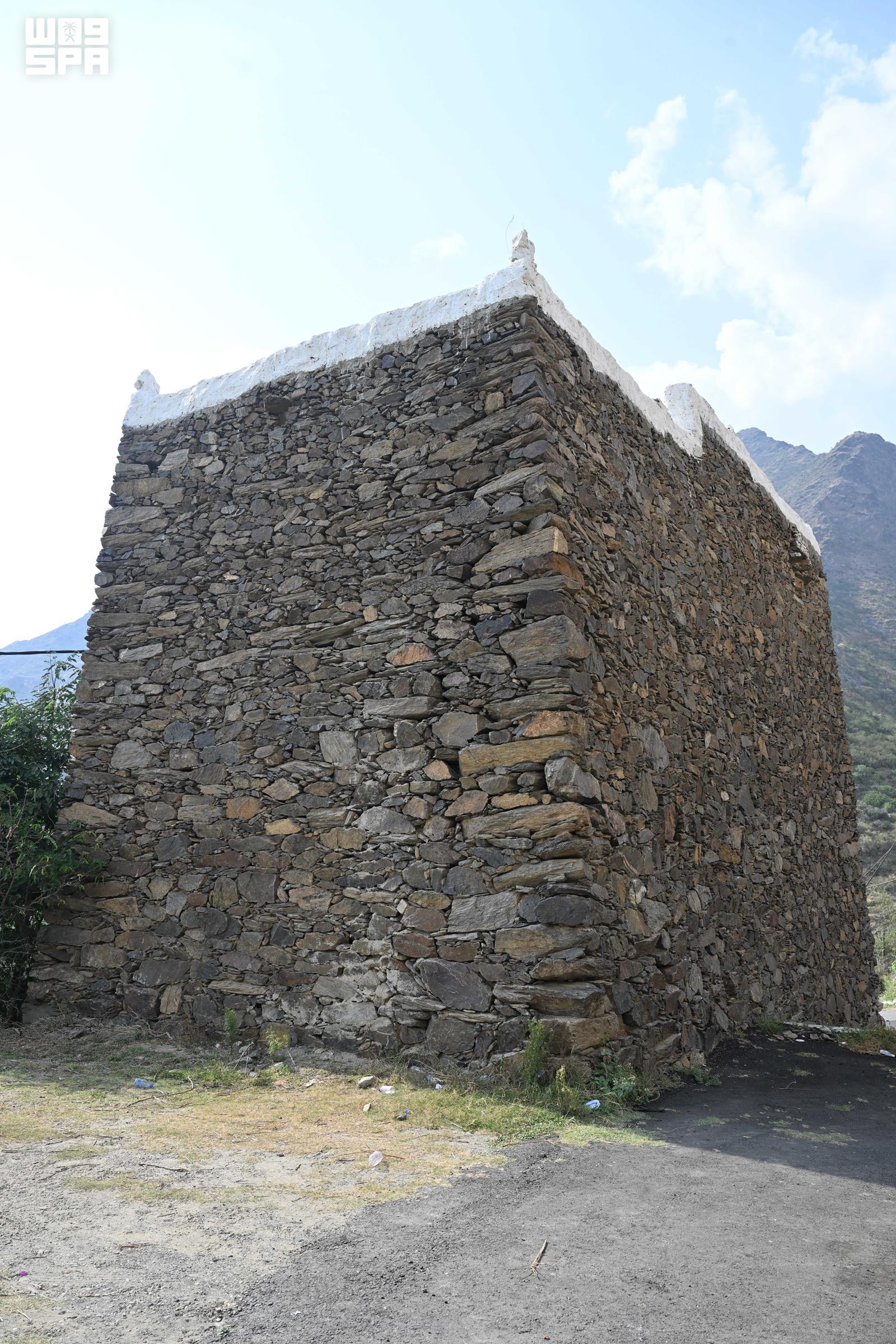
The stone fortress, situated in the Al-Asha area, was the first permanent headquarters for the Emirate of Bani Malik. It documented the transition of administration among mountain villages, leading up to its permanent seat in Al-Dayer and the subsequent administrative and developmental expansion.
Structure and functions of the fortress
The building is a stone fortress covering approximately 120 square meters, consisting of three floors, each with three rooms connected by an internal staircase. The rooms served various purposes: a council for governance and receiving visitors, living quarters for the emir and his entourage, a detention area for violators, and a kitchen. The roof and courtyard were also used to accommodate additional people, especially during community gatherings.
Constructed from local stone to suit the mountainous environment, the fortress’s thick walls and small openings reflect the nature of administrative buildings of that era, combining public administration, residence, and security within a limited space.
Role of the fortress in administration and community ties
Jabal Habs was chosen for its central location among the mountains of Bani Malik, enabling the management of local affairs despite challenging terrain and limited communication. Tribal leaders played a key role in linking the emirate with the community and conveying residents’ needs. Couriers connected the fortress with the regional emirate in Jazan, delivering correspondence and directives on foot in the absence of telegraph and modern transport.
Administrative development in Al-Dayer governorate
Although no longer in use after residents moved to modern housing, the building has been partially restored to preserve its original character, serving as a witness to an early phase of Saudi administration in Bani Malik.
The emirate later moved to Al-Raqbah village, then settled in 1353 AH (1934 CE) in Al-Qahbah village on Jabal Khashar, before its permanent location was chosen in Al-Dayer on the banks of Wadi Juri in 1389 AH (1969 CE), which also became the site of a major weekly market. This marked the beginnings and expansion of Al-Dayer city alongside phases of development.
Administrative progress continued until Al-Dayer became a governorate with the issuance of the Regions Law in 1412 AH (1992 CE), initially named "Al-Dayer Bani Malik Governorate" before adopting its current name, "Al-Dayer Governorate." This completed a journey that began in a modest stone headquarters, evolving into a comprehensive administrative and developmental system serving the governorate’s centers and villages.