

Makkah celebrates its visual heritage on World Photography Day
On World Photography Day, Makkah remains a rich canvas for photographers, capturing the city's sacred atmosphere and diverse human and urban stories.
Key Takeaways
AIOn World Photography Day, observed annually on August 19, Makkah renews its visual storytelling, with photographs capturing the depth, spirituality, and diverse details of the holy city in a single frame. Throughout the year, the holy capital offers photographers a wealth of unique scenes, blending the sanctity of the location with natural beauty and a varied urban landscape.
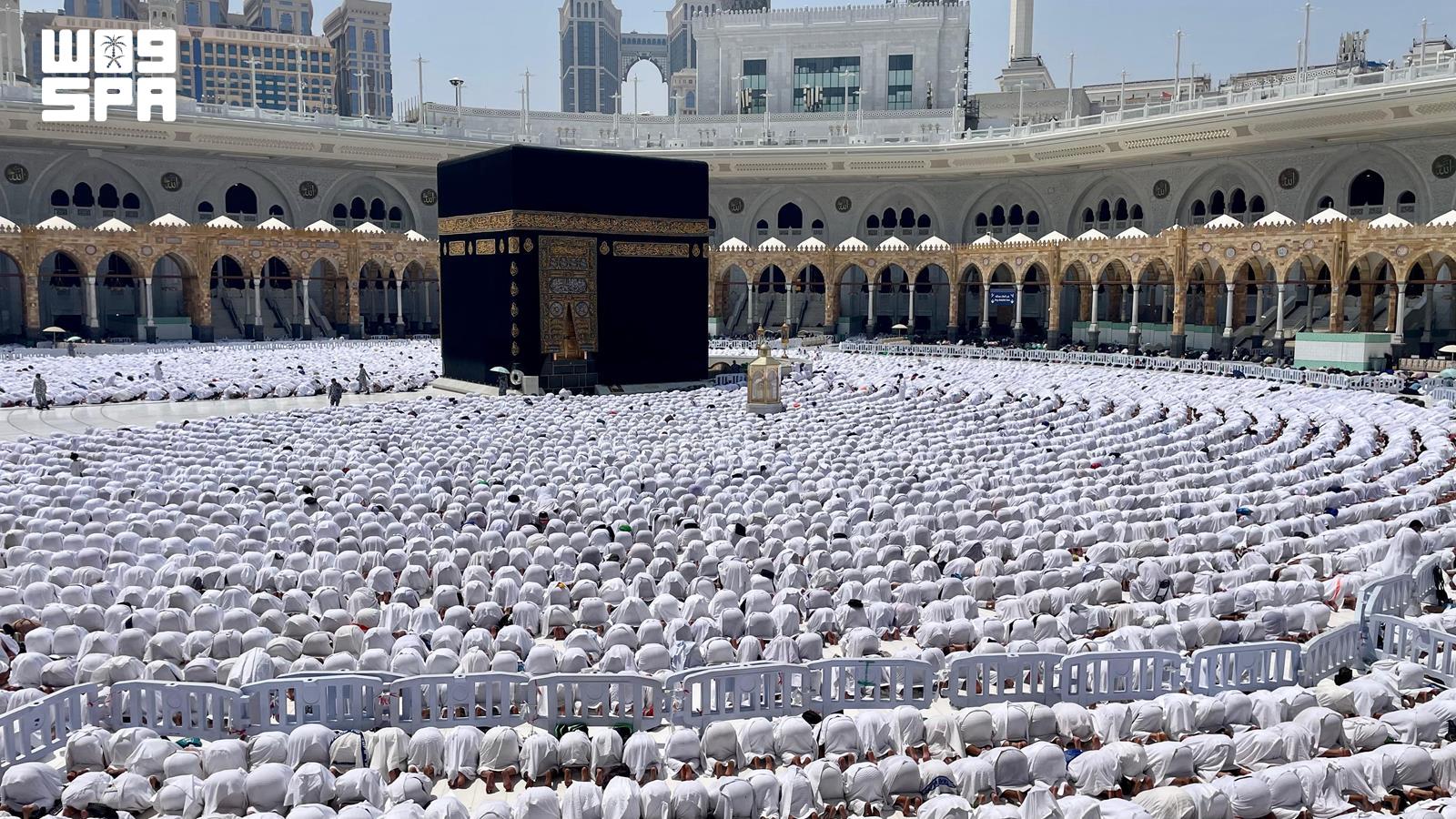
The Grand Mosque and the Kaaba are among the most prominent subjects for photographers, offering a continuous array of visual compositions—from the movement of pilgrims circling the Kaaba and rows of worshippers, to the mosque's courtyards and minarets, all transformed by sunlight into ever-changing scenes depending on the time of day and angle.
During the Hajj and Umrah seasons, photography becomes a human chronicle, documenting the journeys of pilgrims from around the world. Lenses capture moments of solidarity and compassion, assistance for the elderly, and the joy of arriving at the Grand Mosque, as well as the extensive services provided by Saudi Arabia to its guests. Each image serves as a visual testament to a unique spiritual and human experience.
Diverse scenes in the holy sites and Makkah’s neighborhoods
The holy sites of Mina, Arafat, and Muzdalifah offer photographers rare annual opportunities during Hajj, from the sprawling tents of Mina and the gathering of pilgrims on Arafat, to their movement toward Muzdalifah and between the sacred sites—capturing one of the world’s largest human gatherings.
Makkah’s appeal for photographers extends beyond religious scenes. The city’s mountainous terrain gives it a distinctive visual identity, with elevated locations providing panoramic views, especially at sunrise, sunset, or when rain clouds embrace the mountain peaks.
Mount Hira, Mount Thawr, and the surrounding mountains are popular among photography enthusiasts, alongside restored cultural and historical sites, old neighborhoods, and traditional markets that offer glimpses into Makkah’s social and architectural life. These contrast with modern projects, towers, and developments that define the city’s present-day landscape.
The role of photography in documentation and urban transformation
At night, Makkah presents a different visual scene, with city lights illuminating roads and buildings, the minarets of the Grand Mosque and the Clock Tower standing out on the skyline, and rain or clouds adding a unique photographic dimension for rare shots.
The value of photography in Makkah goes beyond aesthetics to documentation. Historic photographs have preserved the stages of development of the Grand Mosque, the holy sites, and city neighborhoods, providing visual records that allow comparisons between past and present and highlighting the scale of urban and developmental changes.
With advances in photography technology, the spread of smartphones, drones, and digital publishing, the scope for documenting Makkah’s details and sharing them with the world has expanded. This comes with the importance of adhering to regulations governing photography and respecting personal privacy and the sanctity of the location.
For photographers, Makkah offers an ever-renewing scene, ensuring the city remains alive in the memory of the lens, with images preserving unforgettable moments throughout every season.