

Traditional drying of Barhi dates in Riyadh Al-Khabra preserves harvest
Residents of Riyadh Al-Khabra rely on traditional Barhi date drying methods to extend shelf life, drawing on generations of agricultural expertise.
Key Takeaways
AIFor generations, residents of Riyadh Al-Khabra in the Qassim region have relied on drying dates—especially the Barhi variety—as a way to preserve surplus harvests and benefit from them beyond the peak season. Farmers have developed traditional techniques for drying and storing dates, which extend their shelf life and allow for consumption throughout the year.
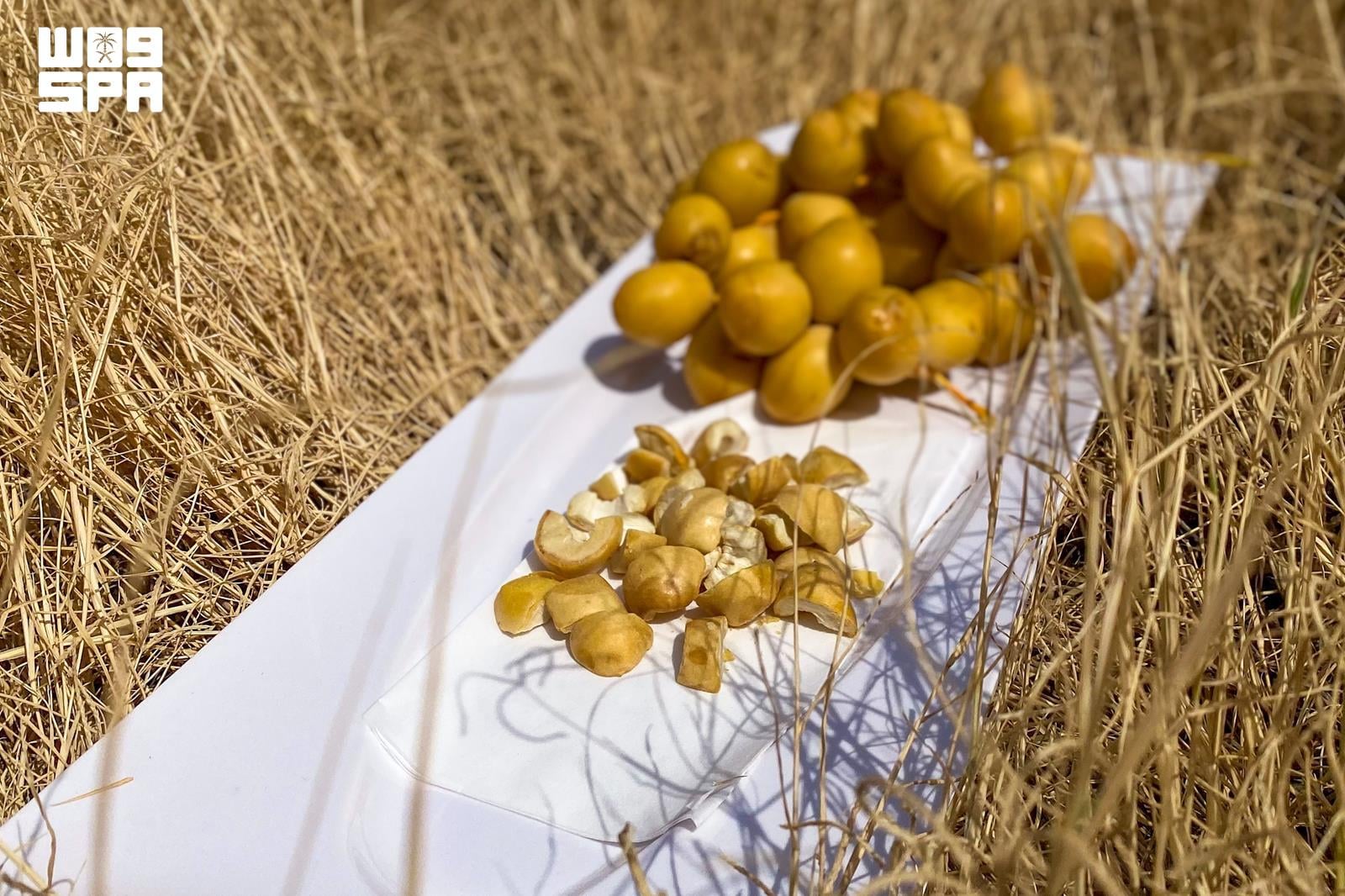
Barhi dates are widely cultivated across several regions of the Kingdom, undergoing gradual changes in color and flavor as they ripen. They start as yellow with an apricot hue, turn amber during the rutab (semi-ripe) stage, and finally become light brown when fully mature.
Experts note that, before the advent of modern refrigeration and packaging, drying and preserving dates was typically done at home or on farms. Farmers would select suitable dates and dry them using methods adapted to the local environment, ensuring a supply of dates that could be accessed outside the production season.
Drying techniques and their role in date preservation
The drying process reduces the moisture content in dates, limiting the growth of microorganisms and extending shelf life. Information indicates that dried dates can be stored at around 20% moisture and a temperature of about 25°C, provided suitable conditions are maintained.
Beyond food preservation, these traditional methods reflect inherited agricultural expertise in managing harvests and minimizing waste—practices that align with sustainability and efficient resource use.
Leveraging traditional expertise to develop new products
Advancements in date processing and packaging have enabled the adaptation of traditional practices to create new products based on dried dates, presented in modern ways that meet consumer needs and expand market opportunities for agricultural goods.
The Qassim region stands out as a major agricultural hub for date production, benefiting from a diversity of palm varieties and a wide range of related activities, from cultivation to marketing. This opens the door for traditional expertise to be integrated into modern practices, adding value to local products.
The drying of Barhi dates encapsulates a key stage in the journey of Saudi dates from harvest to storage, transforming seasonal abundance into a product that can be enjoyed year-round. This practice bridges inherited know-how with contemporary demands, connecting the agricultural past with sustainability and waste reduction goals.