

Historic Jeddah’s shaded walkways reveal architectural solutions to summer heat
Traditional buildings in historic Jeddah showcase innovative architectural methods used to combat summer heat before modern air conditioning.
Key Takeaways
AIThe narrow alleys and closely built structures of historic Jeddah reveal generations of architectural expertise that helped residents adapt to the city’s intense summer heat and humidity long before the advent of modern air conditioning. The layout of buildings, shaded passageways, and use of wooden elements all contributed to creating a more comfortable environment for both residents and passersby.
Shaded canopies and passageways, combined with the narrowness of the alleys and proximity of buildings, formed an urban system that reduced direct exposure to sunlight. This design maximized the shade cast by buildings onto pedestrian routes during the day.
This system was complemented by wooden mashrabiyas, or rawasheen, a hallmark of Jeddah’s historic architecture. Their design regulated the entry of light and air into homes while maintaining privacy, and their protruding forms increased shaded areas, reducing the impact of direct sunlight on walls and walkways.
Local materials and integrated design
Builders relied on local materials such as manqabi stone and wood, incorporating them into designs that responded to the city’s climate. This approach ensured harmony between building materials, airflow, the sun’s path, and the urban fabric.
These details illustrate how traditional architecture in historic Jeddah balanced function and beauty. The narrow alleys, mashrabiyas, shaded canopies, and passageways became interconnected elements that mitigated the effects of the climate and shaped the distinctive visual identity of the old city.
Preserving cultural heritage
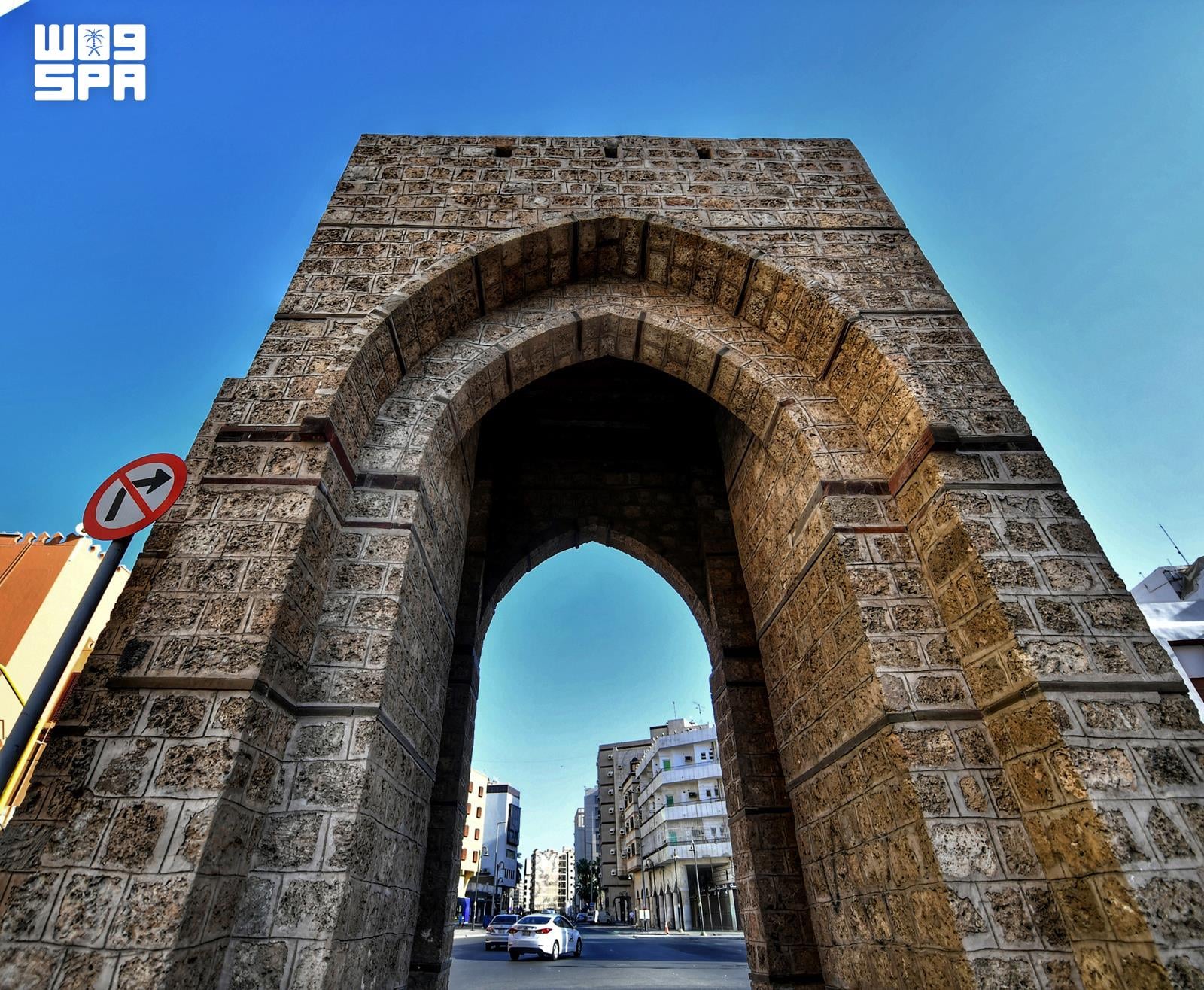
These solutions stand as a testament to the skill of Jeddah’s builders and craftsmen, and their deep understanding of the local environment. This architectural legacy is preserved in the “Historic Jeddah, Gate to Makkah” site, which has been listed as a UNESCO World Heritage Site since 2014.
As part of ongoing efforts to safeguard this heritage, the Ministry of Culture is working to revive historic Jeddah under the National Culture Strategy and Saudi Vision 2030, with the aim of preserving and enhancing both tangible and intangible heritage, and establishing the area as a cultural and tourist destination offering contemporary experiences that support economic and cultural growth.