

Saudi Arabia marks 96th National Day, honoring unity and progress
Saudi Arabia celebrates its 96th National Day on September 23, 2026, reflecting on the legacy of unification and national development led by King Abdulaziz.
Key Takeaways
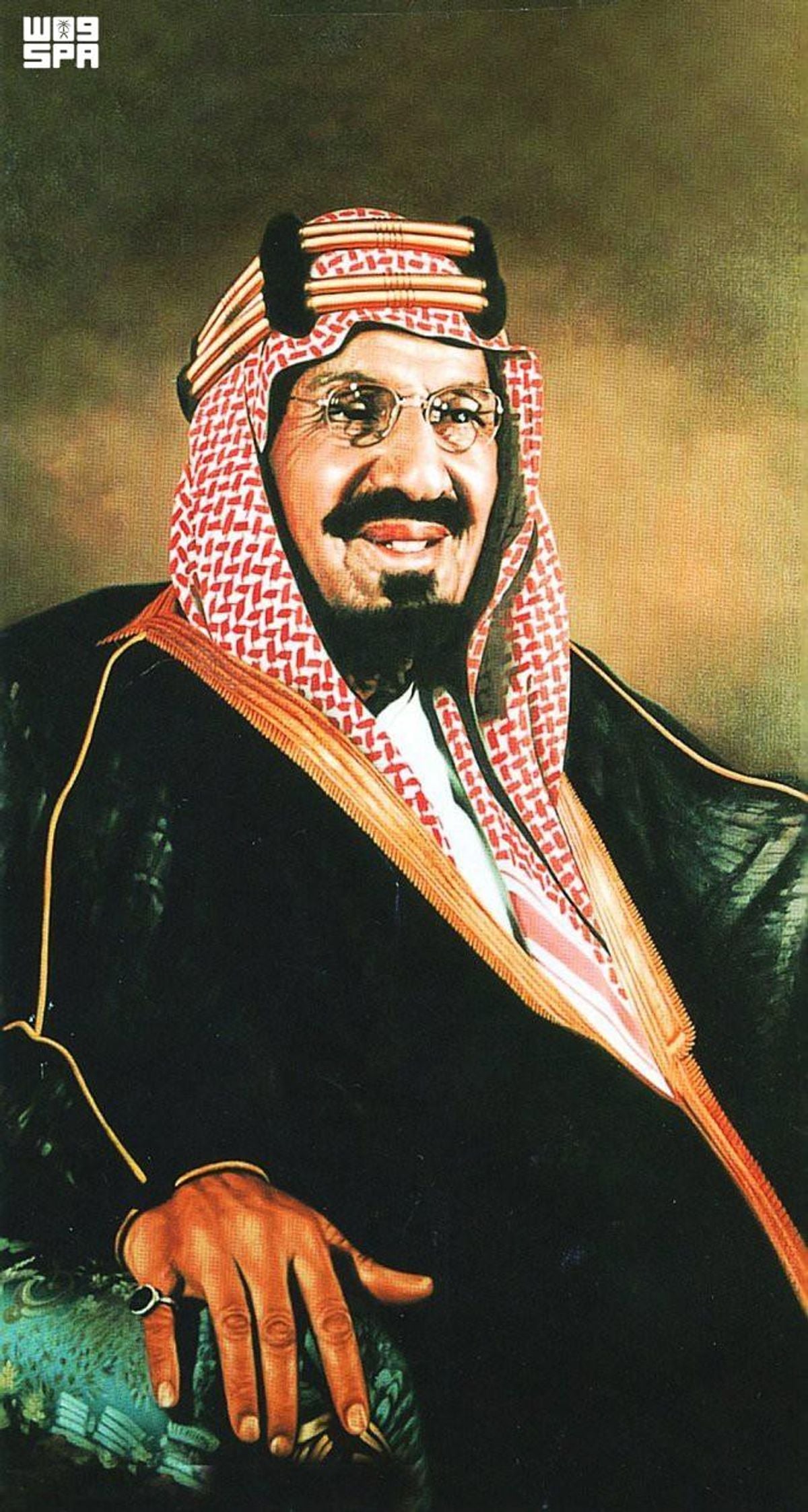
AISaudi Arabia’s leadership and people will celebrate the Kingdom’s 96th National Day on Wednesday, September 23, 2026, under the theme “Our Pride by Nature.” The occasion recalls the unification led by the Kingdom’s founder, King Abdulaziz bin Abdulrahman Al Saud, and honors the nation’s journey of unity and identity.
This year’s National Day comes as Saudi Arabia continues its development drive under the leadership of King Salman bin Abdulaziz Al Saud and Crown Prince and Prime Minister Mohammed bin Salman. Building on a deep-rooted historical legacy, the Kingdom is advancing toward its Vision 2030 goals to strengthen national capabilities and enhance its global standing.
Remembering the unification
On this day, citizens and residents reflect on the legacy of King Abdulaziz, who unified the country after years of conflict and insecurity across the Arabian Peninsula. He established a young state marked by security, stability, and prosperity, uniting its people around a noble purpose and laying the foundations of a modern nation built on justice, security, and progress.
According to the National Day Knowledge Guide issued by the King Abdulaziz Foundation, King Abdulaziz was born in Riyadh in 1293 AH (1877 CE). He received his early education in reading, writing, and memorizing the Qur’an. His leadership qualities, combining resolve and sound judgment, enabled him to rebuild the Saudi state.
Retaking Riyadh and the path to unity
After leaving Riyadh with his family, King Abdulaziz remained determined to reclaim the city. In 1319 AH (1902 CE), he led his men to retake Riyadh, storming Al-Masmak Palace and launching the unification of the nation. The founding process continued, culminating in a royal decree on 17 Jumada I 1351 AH (September 19, 1932 CE) announcing the unification of the state under the name Kingdom of Saudi Arabia, effective from September 23, 1932.
Building a modern state
The unification of the Kingdom was accompanied by significant efforts to establish state institutions and organize its affairs. During King Abdulaziz’s reign, the judiciary was restructured, ministries were established, the Ministry of Foreign Affairs was founded in 1930, and the Council of Ministers was created in 1953. The Directorate of General Education was established in 1926 to advance education, leading to the opening of the first public schools and the dispatch of students abroad.
King Abdulaziz also prioritized healthcare, founding the Public Health Directorate, which became the Ministry of Health in 1951. He expanded hospital and clinic services and ensured the health of pilgrims by providing specialized medical facilities in the holy sites.
Developing resources and infrastructure
King Abdulaziz sought to develop the nation’s resources by signing an oil exploration agreement in 1933 with Standard Oil of California, leading to the discovery of oil at Dammam Well No. 7 in 1938 and the export of the first shipment in 1939. He also supported agriculture and water projects, improved infrastructure by building roads, established the Riyadh-Dammam railway, and modernized transportation and communications.
Serving the Two Holy Mosques
King Abdulaziz gave special attention to the Two Holy Mosques and the holy sites, ordering the restoration of the Grand Mosque, establishing the Kiswa Factory in 1927, and providing electric lighting for the Grand Mosque. He also developed and expanded the Prophet’s Mosque and its facilities.
National Day embodies pride and belonging, reflecting the comprehensive renaissance experienced by citizens and residents in the Kingdom, driven by a vision and ambition that knows no bounds toward a future worthy of Saudi Arabia’s status and leadership.