

Qassim doctor achieves breakthrough with minimally invasive salivary gland stone removal
A Qassim ENT surgeon has successfully removed a salivary gland stone using sialendoscopy, marking a significant advance in minimally invasive treatment.
Key Takeaways
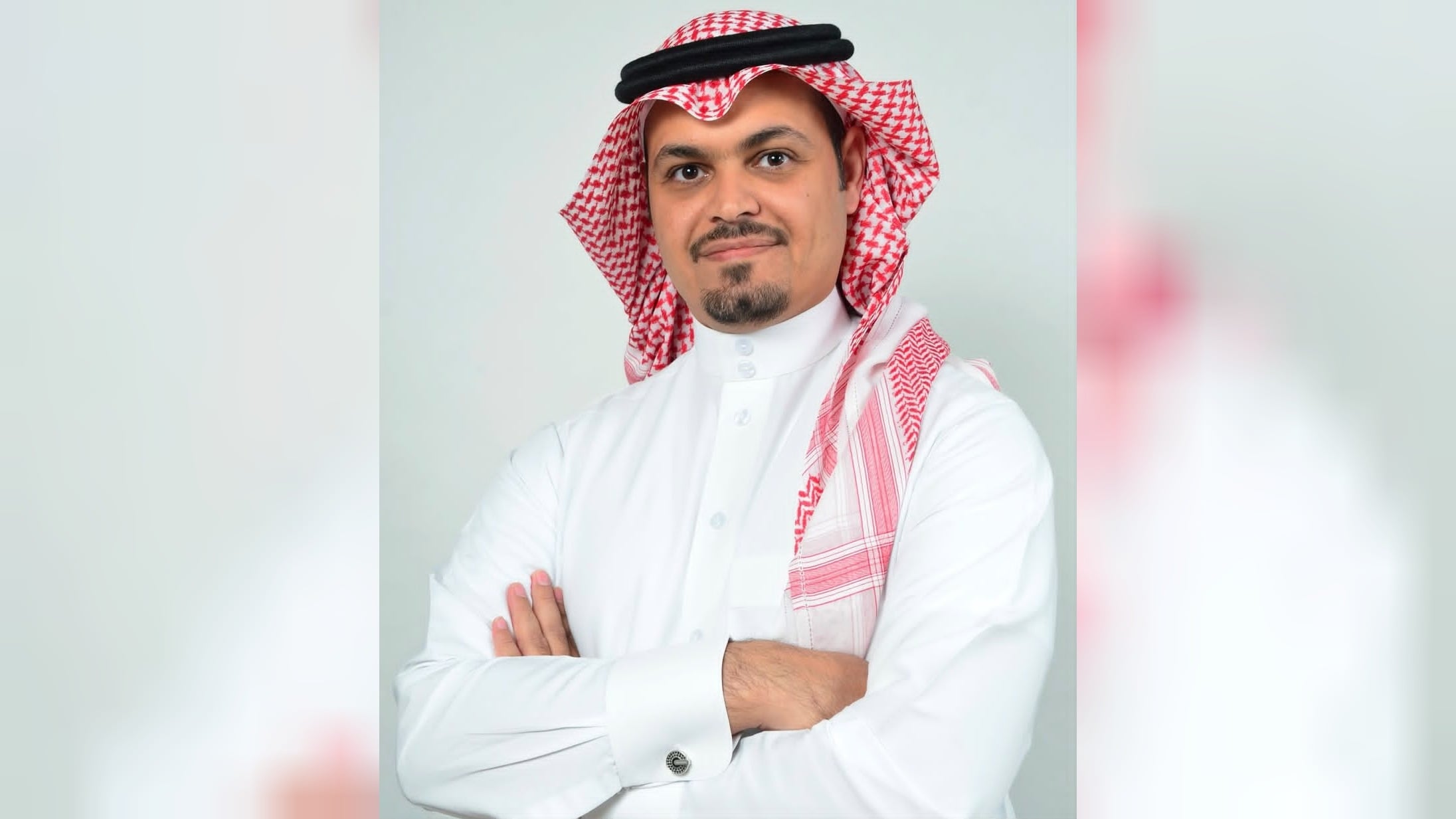
AIThe healthcare sector in Qassim has recorded a significant medical achievement, with consultant ear, nose and throat surgeon Dr. Fares Sulaiman Al-Nassiyan successfully performing a delicate procedure to remove a stone from a salivary gland duct using sialendoscopy, a modern minimally invasive technique for diagnosing and treating salivary gland and duct disorders.
Dr. Al-Nassiyan explained that sialendoscopy represents a major advancement in treating salivary gland stones and duct strictures. The technique allows direct access to the salivary ducts, enabling the physician to visualize the stone and its location, and to remove or fragment it when appropriate, while preserving the gland and its function. This approach helps avoid gland removal in many cases that can be treated endoscopically.
He added that one of the main advantages of this technique is the use of a fine endoscope equipped with a camera, which is inserted through the duct opening. This allows precise diagnosis of blockages and accurate localization of the stone. In suitable cases, treatment can be performed during the same session, including stone extraction, fragmentation, or dilation of narrowed areas within the duct.
Dr. Al-Nassiyan noted that the duration of the procedure varies depending on the case, the size and location of the stone, and the degree of inflammation or narrowing. Diagnostic examinations may take about 20 to 30 minutes in appropriate cases, while simple therapeutic procedures may require around 45 minutes or more, depending on the complexity and technique used.
He emphasized that sialendoscopy is a minimally invasive treatment option compared to traditional surgery in suitable cases, reducing the need for surgical incisions and gland removal, minimizing disruption to surrounding tissues, and preserving gland function as much as possible.
He pointed out that sialendoscopy has high success rates in many cases of salivary gland stones and duct strictures. However, the final outcome depends on several factors, including the size, location, and depth of the stone, the condition of the duct and gland, and the presence of associated inflammation or obstruction. Some cases may require additional techniques or combined surgical intervention.
Dr. Al-Nassiyan concluded by stressing that advances in endoscopic techniques offer more conservative treatment options for patients and enhance the ability to treat salivary gland diseases while preserving the gland and its function whenever the case is suitable for this type of intervention.
This procedure marks a significant step forward in developing salivary gland surgery services in the region, providing patients with advanced and minimally invasive treatment options.