

Asir emerges as Saudi Arabia’s coffee cultivation leader
Asir region stands out as a key hub for Saudi coffee, leveraging its diverse geography and ongoing agricultural initiatives.
Key Takeaways
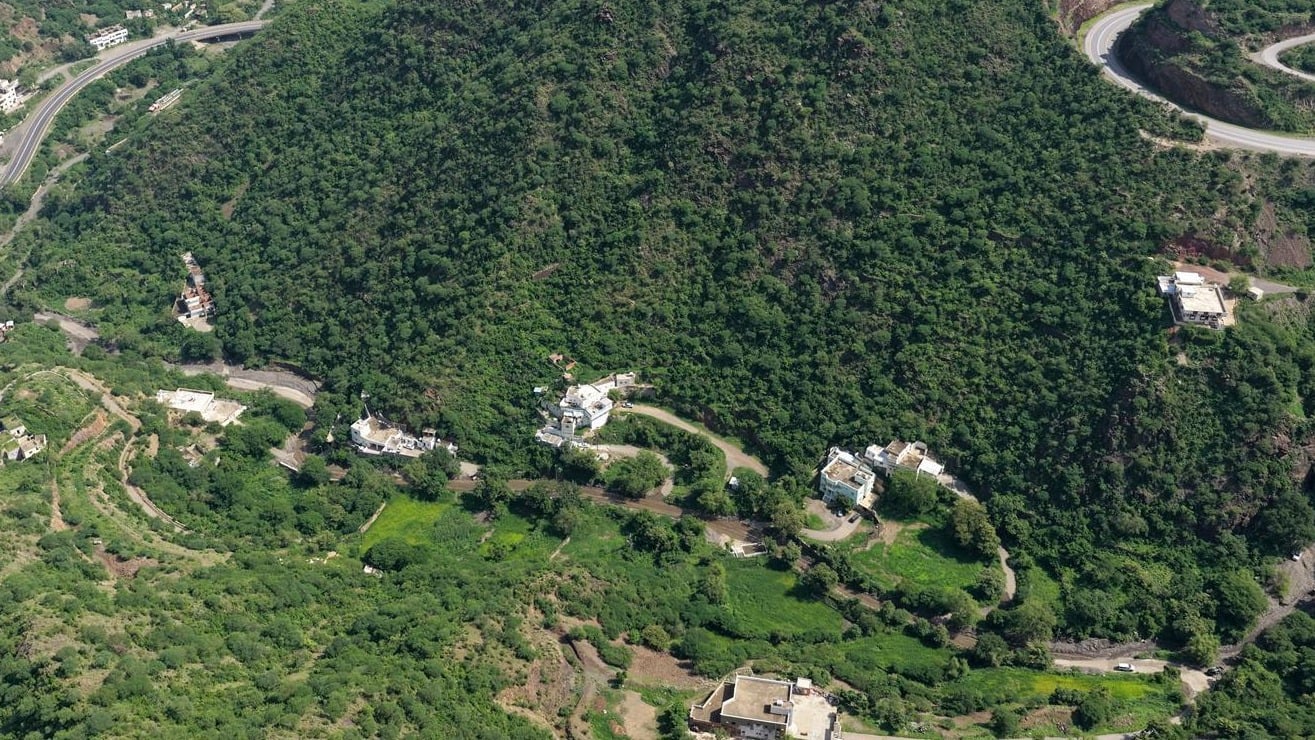
AIAsir region celebrated International Coffee Day, observed annually on October 1, highlighting its agricultural and social heritage in cultivating Saudi coffee across its mountains and terraced farms. Coffee cultivation in Asir stretches from Al-Farsha and Tihama Qahtan in the south to Balgarn in the north, reflecting the region’s diversity and the transformation of coffee into a promising economic product.
According to the Ministry of Environment, Water and Agriculture, Asir is home to over 243,000 productive coffee trees, yielding more than 175 tons of pure coffee annually, making it one of the Kingdom’s leading coffee-producing areas. Between 2022 and 2025, more than 634,000 new coffee trees have been planted across 14 governorates, expanding cultivation to over 7,000 hectares with more than 1,400 active farms.
Development and sustainability programs for coffee farming
The region continues to expand agriculture through programs and initiatives aimed at increasing the number of trees and boosting production efficiency. Among these is a plan to plant one million coffee trees between 2026 and 2028 as part of the “Mountain Economy” initiative, supporting the sustainability of natural resources, rural economic growth, and farmers in mountainous areas.
Al-Farsha governorate in southern Asir stands out as a natural extension for coffee cultivation, with trees spread across villages and mountain farms. The cultivation extends north through Sarat Abidah, Dhahran Al-Janoub, and Rijal Almaa, which alone hosts 286 coffee farms and more than 63,000 productive trees, making it one of the region’s main coffee hubs.
Coffee festivals and economic activity
Harvest seasons in Asir are marked by economic and tourism activity driven by festivals and agricultural events, such as the “Saudi Coffee Festival” in Rijal Almaa. The third edition in 2026 showcased around 10 tons of coffee with the participation of 30 farmers and 15 brands, and featured the first Saudi coffee auction where one crop fetched 1,400 riyals (SAR) per kilogram.
Coffee cultivation also extends north to Mahayel Asir and its mountains, where areas like Hada, Barkouk, Dharam, and Wadi Al-Ghail preserve ancient coffee trees. The governorate participates in festivals such as “Khayrat Mahayel Asir,” which combine coffee marketing with promoting the area’s agricultural and tourism assets.
Production cycle and cultural, economic significance
The journey of coffee from mountain terraces to the cup involves stages including cultivation, hand-picking, processing, drying, roasting, and marketing, forming an integrated economic chain involving seedling producers, farmers, roasters, cafes, and tourism projects.
Saudi coffee holds deep cultural roots in the local community. In 2022, UNESCO inscribed the knowledge and practices of Khawlani coffee cultivation on its Representative List of the Intangible Cultural Heritage of Humanity, reflecting its cultural and economic value. Today, coffee farming offers opportunities for investment, entrepreneurship, and diverse income sources for rural communities.
On International Coffee Day, Asir presents its coffee cultivation experience as a model blending heritage, culture, agriculture, tourism, and investment—strengthening the status of Saudi coffee as a national product that embodies regional identity and meets future aspirations.