

National Center for Falcons opens public participation for 2027 Hudad international release
Saudi Arabia’s National Center for Falcons invites public involvement in the 2027 international phase of the Hudad program to reintroduce wild falcons.
Key Takeaways
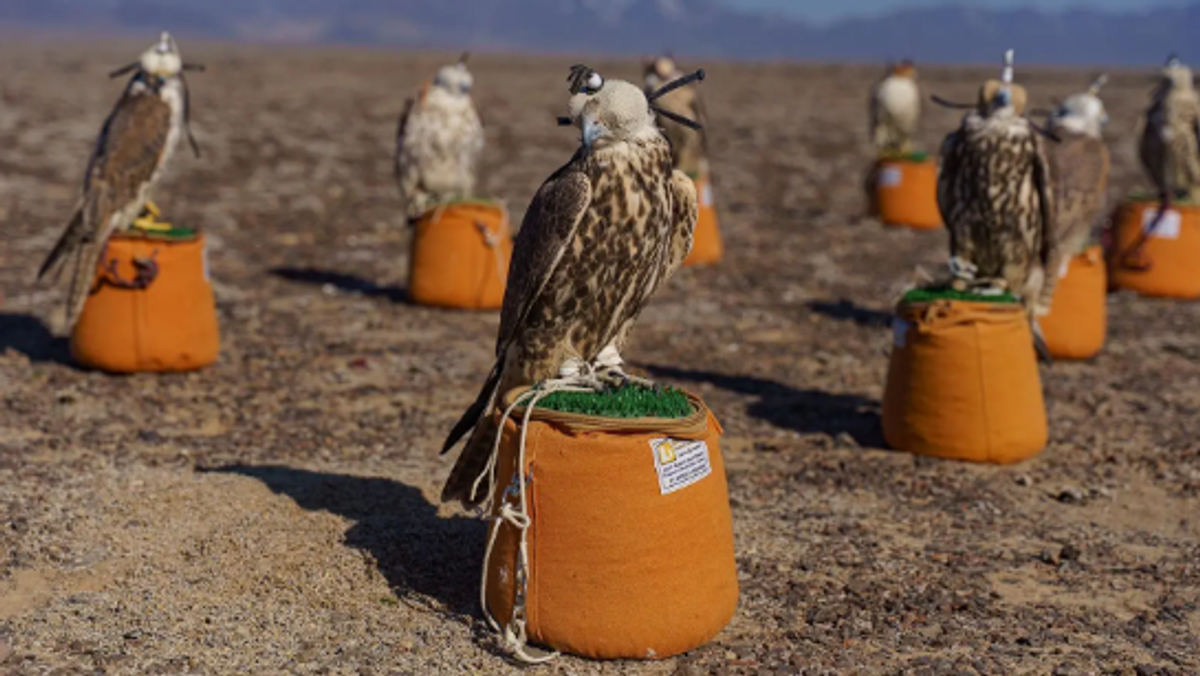
AIThe National Center for Falcons has announced the opening of public participation for the 2027 international release under the Hudad program, which aims to return falcons to their natural habitats. The initiative targets the collection of wild Saker and Peregrine falcons—those not bred in captivity—in accordance with the program’s approved standards and requirements.
The center stated that falcons will be received from August 18 to November 18, 2026, at its headquarters in Malham, north of Riyadh. Upon arrival, the birds will undergo scientific examination, assessment, and rehabilitation in preparation for their release as part of the 2027 international program.
The public participation initiative aims to involve the falconry community in efforts to conserve falcons and biodiversity, and to strengthen their role in sustaining this cultural heritage. Falcon owners are encouraged to contribute to the reintroduction of falcons into the wild through a scientific process that includes reception, examination, rehabilitation, release, and monitoring.
The program falls under the responsibilities of the National Center for Falcons, the official body overseeing the regulation and development of falconry in Saudi Arabia. The center is dedicated to the care and conservation of falcons, the preservation of falconry heritage, and the organization and advancement of related activities, including the management of falcon release programs both within the Kingdom and abroad.
The 2027 international release builds on the expertise and outcomes of the previous Hudad program, which took place in Kazakhstan’s Altyn-Emel National Park. Field monitoring and tracking data following that release indicated positive adaptation of the falcons to their natural environments, supporting the scientific approach adopted by the program in rehabilitation, release, and follow-up.
The program selects release sites based on scientific studies that consider habitat suitability, prey availability, and protection levels. Saker and Peregrine falcons are chosen according to the program’s scientific and environmental objectives, and each bird undergoes examination, care, and rehabilitation under expert supervision to ensure readiness for release.
The Hudad program reflects the National Center for Falcons’ commitment to returning falcons to their natural habitats, preserving falconry heritage, and enhancing the involvement of the falconry community in sustaining falcons and biodiversity. This supports Saudi Arabia’s presence in global falcon conservation and reintroduction initiatives.