

Jeddah hosts third planning meeting for multinational maritime defense coalition
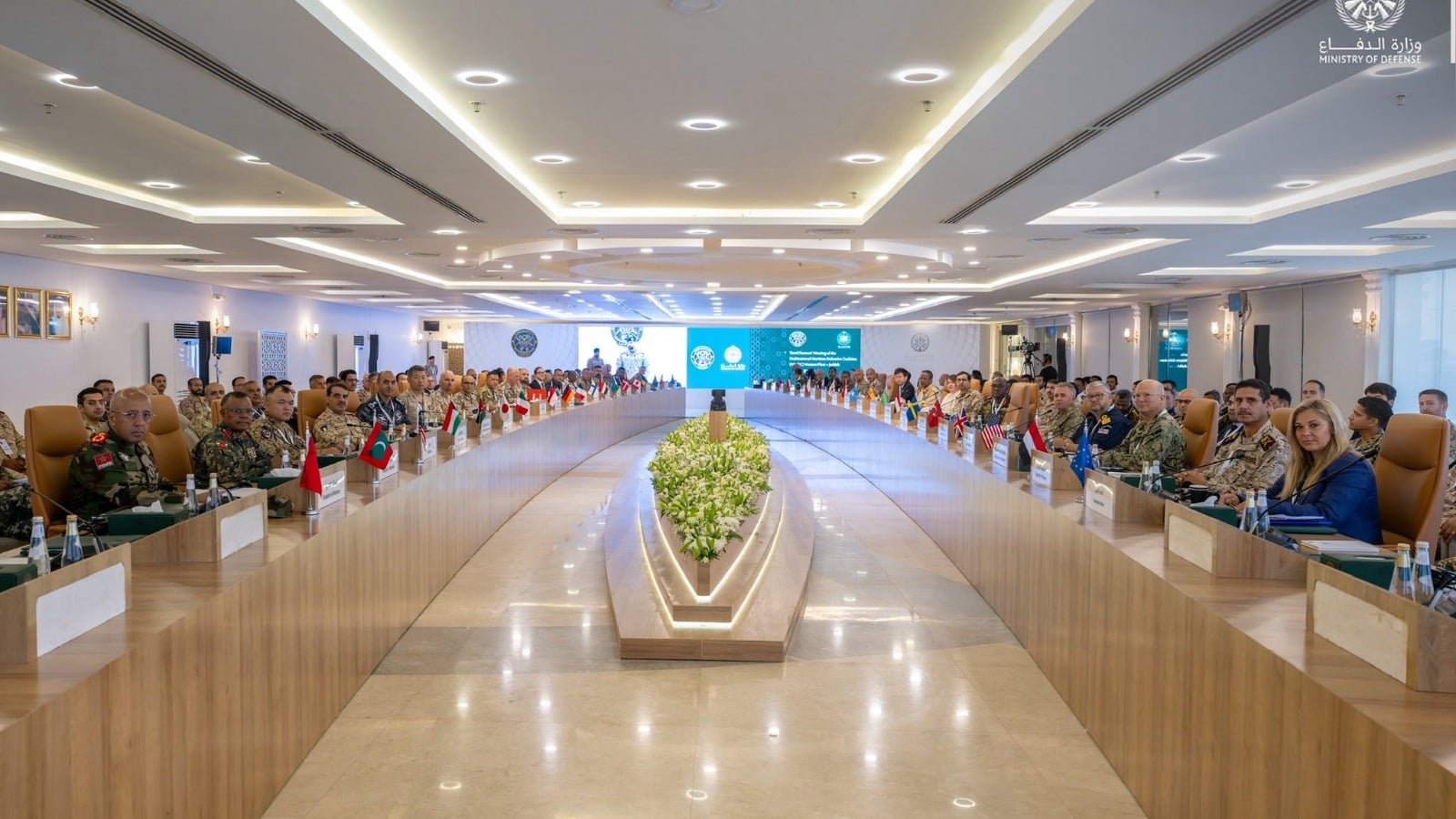
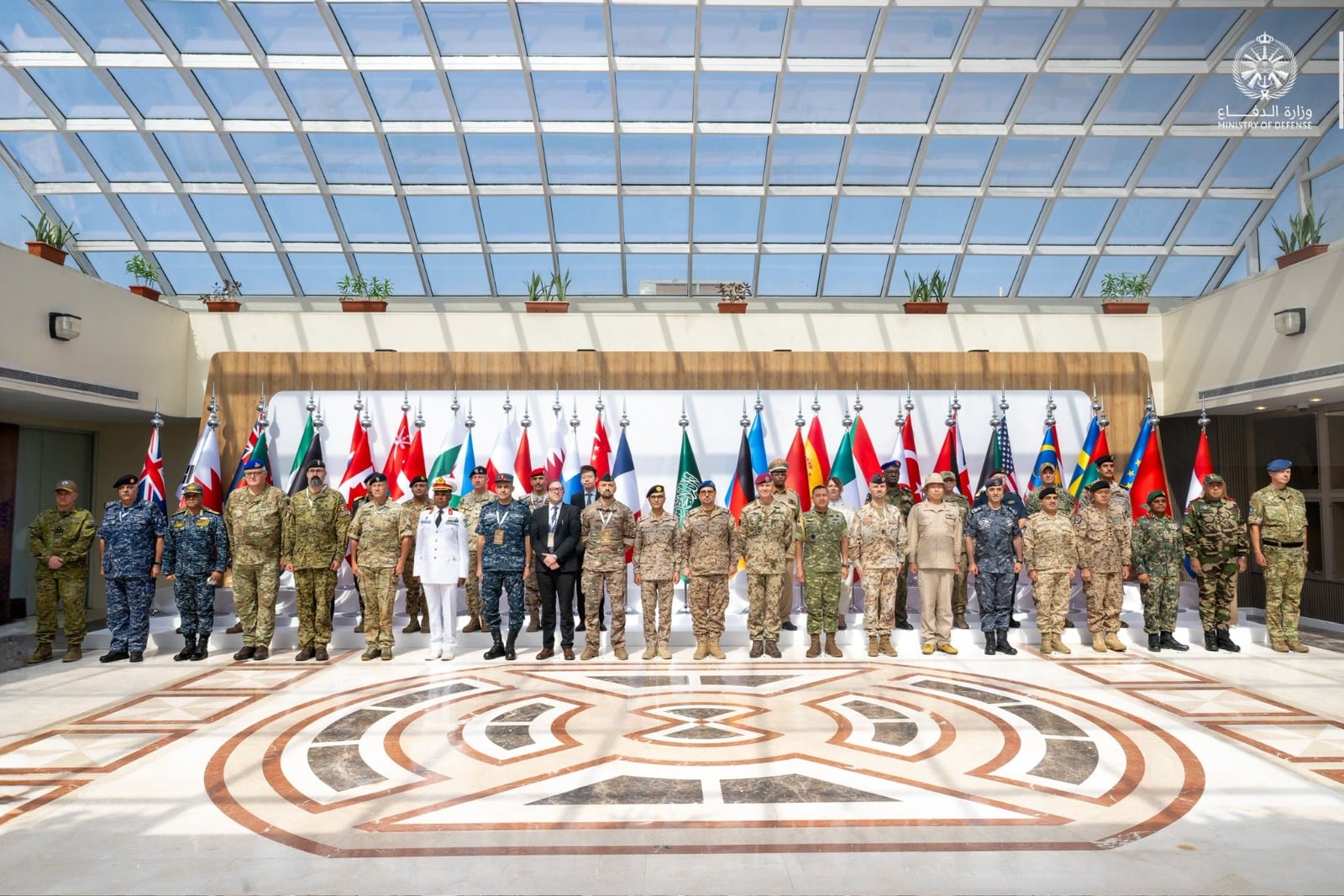
Representatives from 39 countries met in Jeddah for the third planning session of the Multinational Maritime Defense Coalition, marking a key step toward activation.
Key Takeaways
AIThe third planning meeting of the Multinational Maritime Defense Coalition (MMDC) was held at the Western Fleet Command in Jeddah, with representatives from 39 allied and partner countries participating. The meeting marks a significant step toward activating the coalition.
Fifteen countries have signed the joint statement, while 13 others have completed their national procedures, signed the coalition charter, and officially announced their membership. This represents the coalition’s formal move toward institutional and operational activation, as the remaining countries continue their national processes to join.
This development coincides with rapid progress in establishing the coalition’s institutional framework, including the appointment of the coalition commander from Saudi Arabia and agreement that the first deputy commander will be from the Islamic Republic of Pakistan. The coalition’s headquarters location and emblem have been determined, and organizational, planning, and reference documents required for operations have been completed.
The third planning meeting also finalized practical arrangements to activate the coalition’s multinational leadership and operational bodies. Preparations are underway to receive officers and personnel from member states, who will be integrated into the joint command and staff structure, the Joint Maritime Operations and Coordination Center, and the coalition’s intelligence center. These steps will accelerate the coalition’s operational capability and enhance its readiness to fulfill its defense responsibilities.
This transition marks a major milestone in building a sustainable, multinational maritime defense coalition aimed at strengthening collective maritime security, safeguarding freedom of navigation and key sea lanes, and supporting the continuity of international trade and global supply chains.
With many countries completing their national procedures and the coalition’s leadership and bodies being activated, the coalition is entering a new phase of joint action. Efforts are now shifting from building frameworks and structures to operationalizing them and integrating member states’ capabilities, paving the way for operational readiness and the execution of assigned missions. This reflects the participating countries’ commitment to building a robust maritime defense partnership that enhances maritime security and stability, protects freedom of navigation and shared interests, and contributes to regional and international security in accordance with the coalition’s charter, reference documents, and international law.