

Crescent moon of Jumada Al-Akhirah to illuminate evening sky tonight
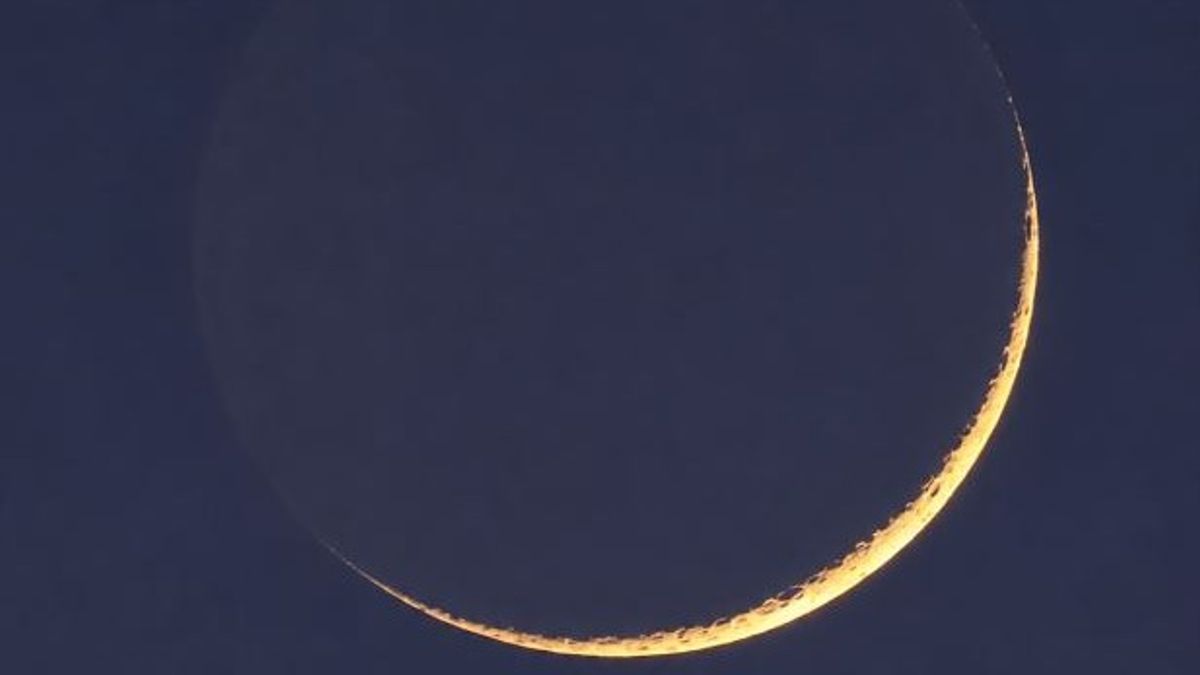
The crescent moon of Jumada Al-Akhirah will be visible after sunset on Wednesday, November 11, 2026, offering a beautiful scene for observation and photography.
Key Takeaways
AIBy: Eng. Majid Abu Zahra
The crescent moon marking the start of Jumada Al-Akhirah will be visible after sunset this Wednesday, November 11, 2026, as night begins. The crescent will appear low in the western sky, offering a beautiful celestial scene and an excellent opportunity for observation and photography, provided the skies are clear and free of clouds.
This evening, the crescent moon will have moved further away from the glare of the setting sun and will be higher above the western horizon compared to last night, making it easier and clearer to observe under suitable weather conditions.
The moon reached the conjunction phase on Monday, November 9, 2026, at 10:02 a.m. Mecca time. At that moment, the moon was positioned almost directly between the Earth and the sun from our perspective, marking the start of a new lunar cycle.
After conjunction, the moon began to move away from the sun's position, making its crescent visible in the evening sky. Over the coming days, it will gradually climb higher above the western horizon, and the illuminated portion of its disk will increase day by day.
During the next few nights, observers may notice the phenomenon known as "earthshine," where sunlight reflected from Earth's surface faintly illuminates the dark portion of the moon. This creates a subtle glow on the shadowed part of the crescent, which can be seen with the naked eye under good conditions and becomes more pronounced when using binoculars or a telescope.
As the moon continues its eastward journey around Earth, its apparent position among the stars changes nightly. This makes it an enjoyable visual guide for tracking its path and identifying nearby celestial objects.
The days immediately following conjunction are ideal for following the moon's evening journey and for observing faint celestial bodies away from the moon's glare when it is full, offering an astronomical experience that combines beauty with the joy of learning and discovery.