

Moon aligns with Pleiades, marking start of Al-Safri season in Saudi Arabia
A rare conjunction of the moon and Pleiades cluster signaled the beginning of the Al-Safri season in Saudi Arabia’s night sky, rooted in local tradition.
Key Takeaways
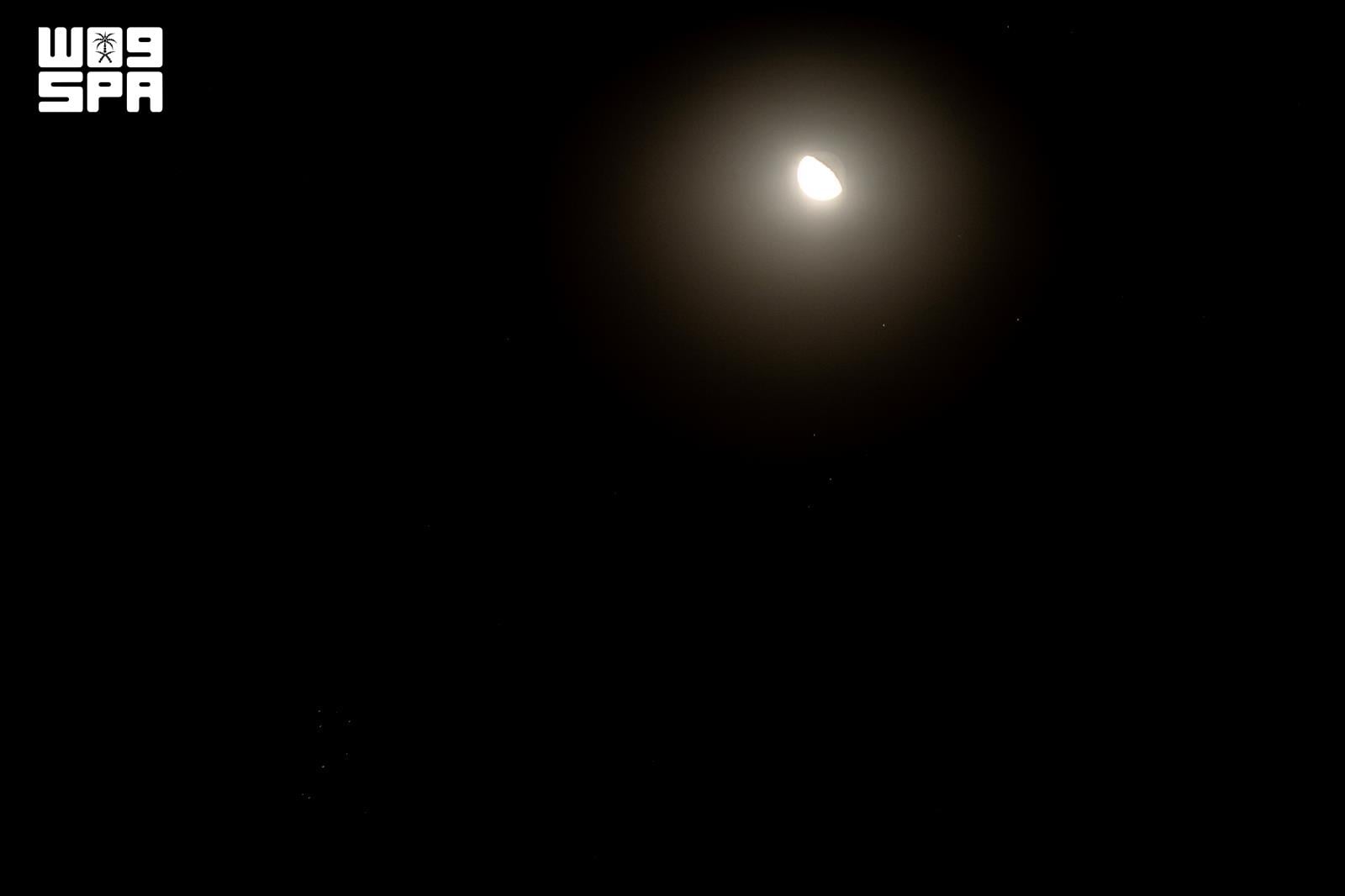
AIThe night sky over Saudi Arabia witnessed a striking astronomical event yesterday as the moon aligned with the Pleiades star cluster, a phenomenon known in Arab folklore as "Qaran 21." Historically, this event has served as a seasonal marker for Arabs, helping to determine changes in weather, agricultural cycles, and the timing of various activities.
This year, "Qaran 21" coincided with 21 Rabi Al-Awwal 1448 AH, corresponding to September 3, 2026. In traditional reckoning, it signals the end of summer and the onset of the "Al-Safri" season, characterized by gradually milder nights and the approach of autumn.
Al-Safri season in popular heritage
Mohammed Enad Al-Huzaimi, a member of the Astronomy Club, explained that "Qaran 21" marks the beginning of the Al-Safri season in local tradition. This period lasts about four weeks, during which nights grow longer and days shorter, leading up to the autumnal equinox.
Al-Huzaimi added that ancient Arabs described this transition with the saying: "Ayloul seer wala taqeel" (In September, keep moving and don’t nap), reflecting the waning heat and improved nighttime weather. He noted that Bedouins associated the start of Al-Safri with cooler nights and gradually prepared for the milder seasons ahead.
Climatic changes and seasonal indicators
Al-Huzaimi pointed out that this period is marked by contrasts between daytime heat and cooler nights. It also coincides with the ripening of fruits such as pomegranates, increased migration of birds, and the passage of some raptor species during their seasonal journeys.
He noted that Bedouins and farmers pay special attention to this transitional phase, preparing for the coming drop in temperatures. Al-Huzaimi added that the upcoming "Qaran 19" will signal another stage in the seasonal cycle, bringing the approach of the Wasm season.
Astronomical conjunctions in Arab heritage
Al-Huzaimi emphasized that the conjunction of the moon and Pleiades has long fascinated Arabs, who linked their observations of stars and lunar phases to the changing seasons, weather patterns, and timing of agricultural and pastoral activities. This heritage remains alive among enthusiasts of traditional astronomy, though he stressed the importance of distinguishing between popular interpretations and scientific explanations of astronomical and climatic phenomena.