

Saudi Arabia to cut ozone-depleting substances by 69% by mid-2026
Saudi Arabia will reduce ozone-depleting substances by 69% by mid-2026, advancing its commitment to the Montreal Protocol and global climate efforts.
Key Takeaways
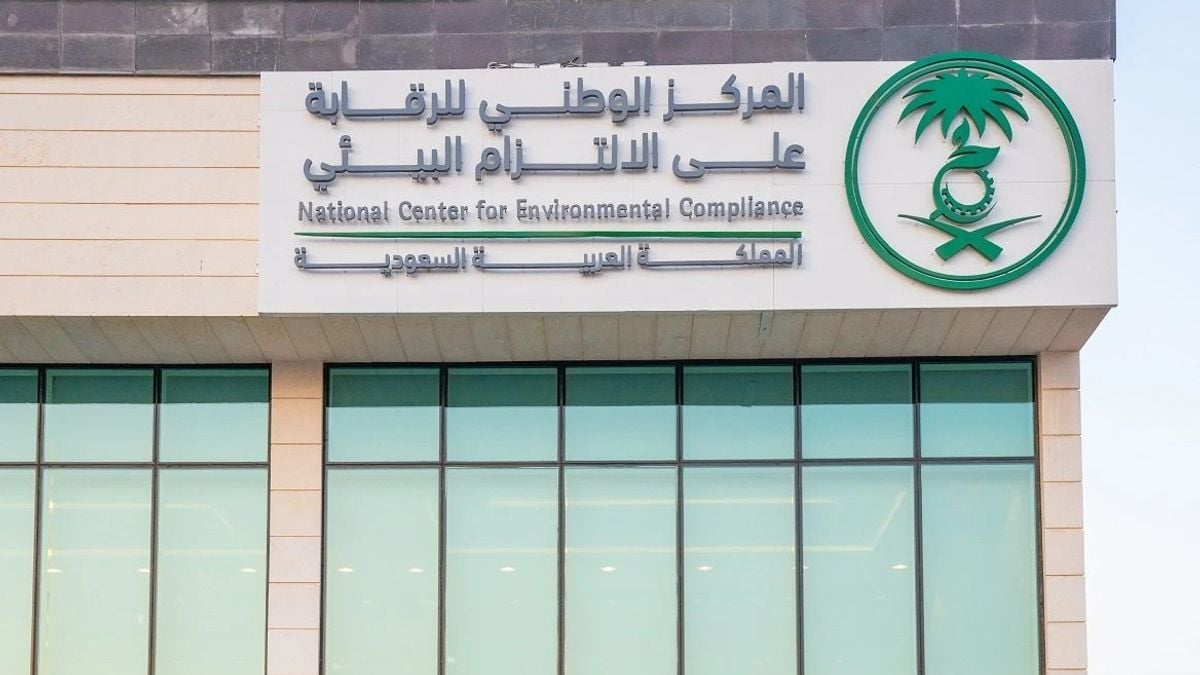
AISaudi Arabia will raise its reduction of ozone-depleting substances to 69% by the first half of 2026, reinforcing its commitment to the Montreal Protocol and the phased elimination of hydrochlorofluorocarbons (HCFCs), according to the National Center for Environmental Compliance.
The center reported that over 8,000 metric tons of ozone-depleting substances and hydrofluorocarbons (HFCs) have been cleared since the beginning of this year as part of the phased reduction project, ensuring their import and trade are regulated in line with environmental standards and international obligations.
Enhanced oversight and streamlined procedures
Saad Al-Mutrafi, spokesperson for the National Center for Environmental Compliance, said the progress coincided with strengthened oversight of ozone-depleting substances through the environmental clearance system, which regulates import and trade operations. He noted that since 2023, the center has issued more than 3,200 clearance permits for substances governed by the Montreal Protocol, supporting environmental compliance.
Al-Mutrafi added that collaboration with the Zakat, Tax and Customs Authority through electronic integration has helped accelerate shipment clearance procedures and improve service efficiency while maintaining environmental oversight.
Saudi Arabia ratifies Kigali Amendment
Al-Mutrafi stated that Saudi Arabia’s ratification of the Kigali Amendment to the Montreal Protocol in September 2025 marked a significant step in reducing high-impact climate gases, reflecting the Kingdom’s commitment to supporting international efforts to address climate change.
He also emphasized that Gulf cooperation in protecting the ozone layer strengthens regional efforts and highlights Saudi Arabia’s leading role in this field.